US Secures Dominance Over Venezuelan Oil Reserves Following Decades of Tension
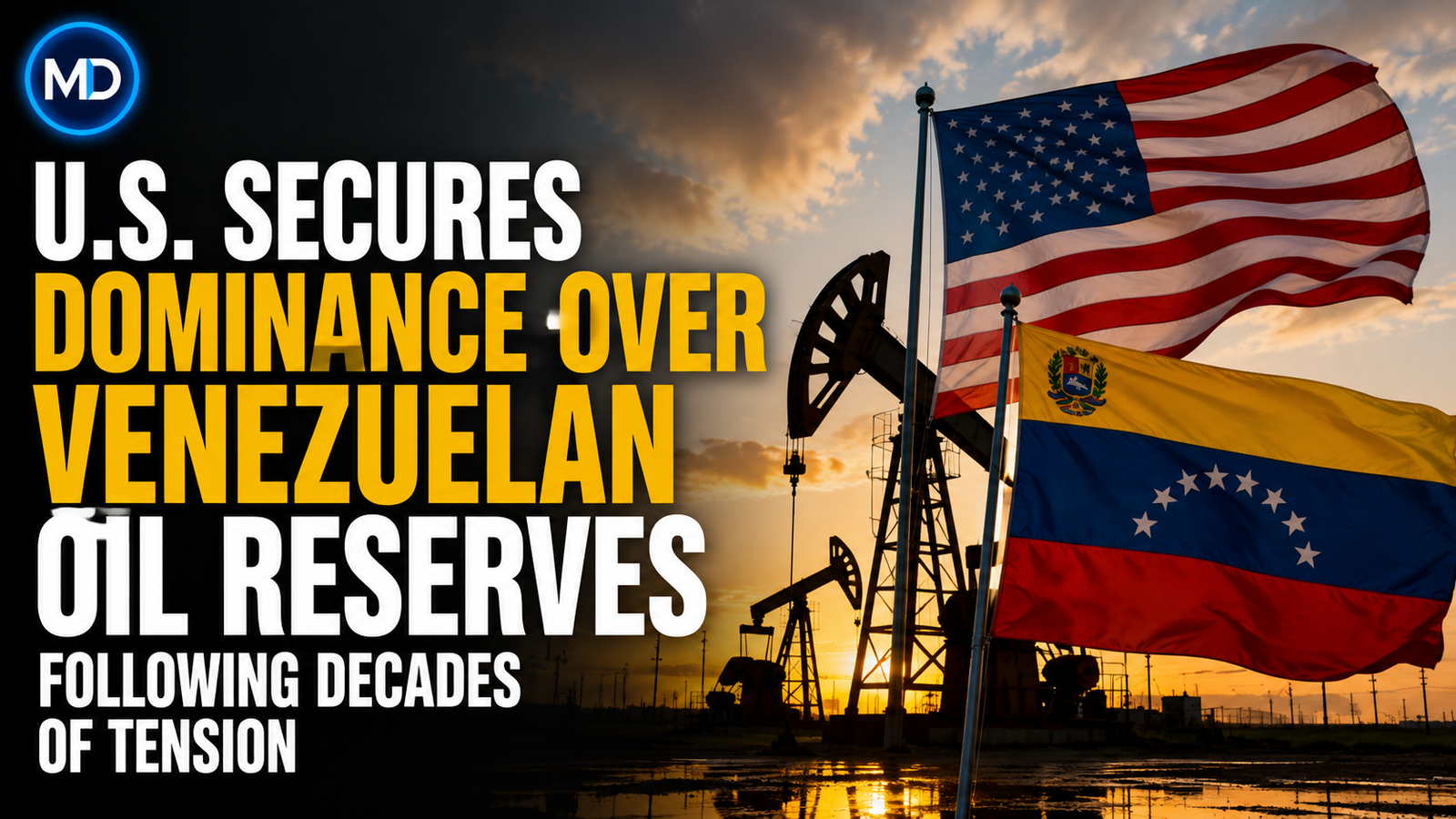
A long-standing diplomatic and economic conflict over energy resources has culminated in the United States taking majority control over approximately one-fifth of Venezuela's vast petroleum reserves. Following months of classified negotiations, former US President Donald Trump announced an agreement granting Washington significant governance powers over the reserves, framing it as a transaction that secures long-term American energy dominance. The decision has drawn sharp criticism from observers, with Venezuelan economist Francisco Rodríguez describing the deal as predatory and alleging it was effectively executed under threat of force.
The recent agreement comes after a dramatic escalation in US actions against the Venezuelan government. Earlier this year, American forces executed a pre-dawn raid in Caracas, capturing then-President Nicolás Maduro and his wife, Cilia Flores, who are currently undergoing trial in New York. While acting President Delcy Rodríguez initially denounced the operation as an abduction, she subsequently agreed to engage with Washington, later defending her administration against claims of surrendering national resources to foreign control.
A CENTURY OF OIL-CENTERED DIPLOMACY
The historical alliance between Washington and Caracas has consistently revolved around petroleum access, as highlighted by a 1950 US Department of State document noting that American policy toward Venezuela was primarily driven by securing steady oil supplies. Venezuela played a crucial role in fueling Allied forces during World War II, and US energy firms operated extensively within the nation for decades. However, bilateral relations shifted dramatically in 1999 with the election of Hugo Chávez, who pursued anti-imperialist policies and forged strategic partnerships with China, Russia, and Iran.
Tensions escalated further in 2007 when Chávez launched a wave of nationalizations across the petroleum sector. While Caracas required state control over majority stakes, foreign energy companies were offered minority positions. Chevron accepted the revised terms and maintained operations, but ExxonMobil and ConocoPhillips exited the market and initiated international arbitration. The World Bank's tribunal subsequently awarded billions of dollars in compensation to the departing firms, though Venezuela has not fully cleared these debts. Despite these disputes, international corporations from China, Russia, Cuba, the UK, and Europe have remained active in the country's oil infrastructure.
ESCALATING SANCTIONS AND REGIME CHANGE PRESSURE
Following Chávez's death in 2013, Nicolás Maduro assumed the presidency, maintaining an adversarial stance toward the US while facing widespread international condemnation over domestic human rights concerns and deteriorating democratic institutions. The US government placed strict sanctions on the regime and eventually instituted a naval blockade in December, disrupting heavy crude shipments to primary buyers like China. Prior to the blockade, China absorbed roughly 80 percent of Venezuelan oil production to settle outstanding state loans.
In July of last year, the US Department of Justice issued a $50 million reward for Maduro on drug trafficking charges, followed by military deployments and interdictions targeting Venezuelan shipping routes. After Maduro rejected a US ultimatum to step down in late November, American military forces intervened directly in January, altering the political landscape of the South American nation and paving the way for direct US control over its energy sector.
0 YORUMLAR
Bu KONUYA henüz yorum yapılmamış. İlk yorumu sen yaz...