
The Rise of Afrohype: How Energy and Emceeing Are Transforming Afrobeats
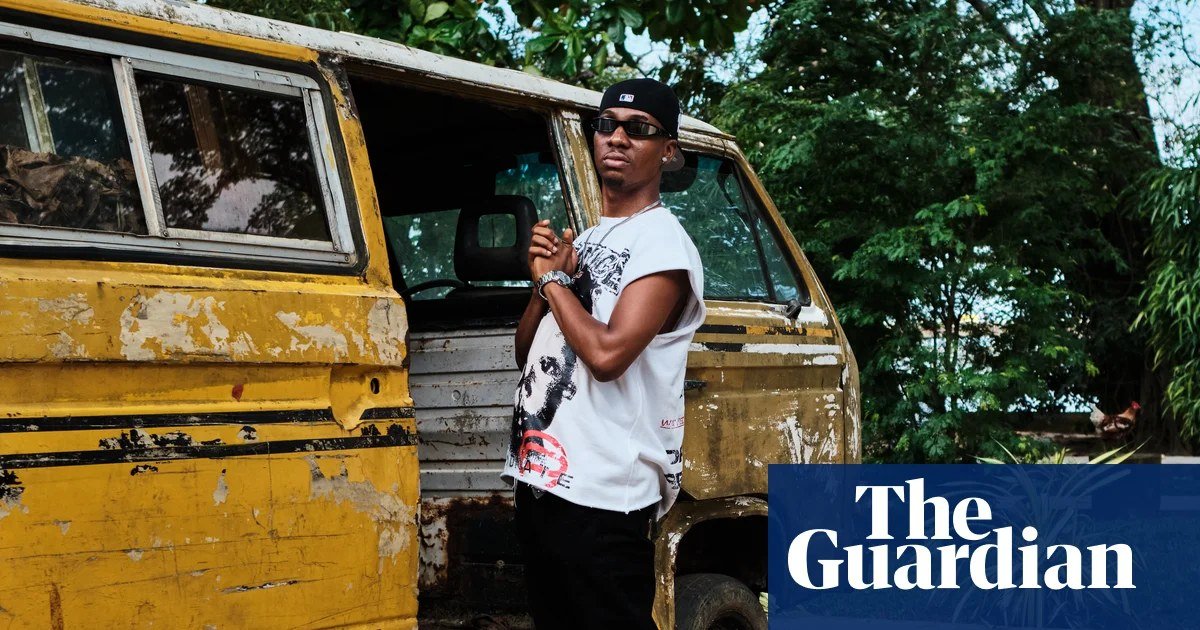
High-octane emceeing and ad-libbed vocals have fueled the rapid growth of a distinct sub-genre within Afrobeats, commonly referred to as Afrohype or lamba. The art form, which relies on crowd engagement, call-and-response techniques, and vibrant vocal performances over musical tracks, has evolved into a recognized full-time career across West and Central Africa.
Hypemen perform improvised vocals, energetic quips, and rhythmic sounds over new beats or popular instrumentals, such as Dorime—a Nigerian adaptation of the 1996 track Ameno by the French group Era. Their performances are now central to nightclub events, corporate gatherings, raves, and wedding after-parties. In return for their crowd-energizing performances, artists often receive cash thrown or placed on them in accordance with regional celebration customs.
Roots and Historical Evolution
The practice traces its origins to deep-seated traditions of praise-singing and oral storytelling, such as the West African griot traditions and American spirituals. In the 1980s, the style emerged in Kinshasa, Democratic Republic of the Congo, through the atalaku tradition—a Kikongo phrase meaning "look here, look at me." Prominent figures like American gospel singer Kirk Franklin, as well as Congolese artists Koffi Olomide and Awilo Longomba, further popularized the performance style.
The movement spread to Côte d'Ivoire with the rise of coupé-décalé music and the practice of farotement, where attendees throw cash to showcase wealth. Vocal elements from Ivorian performers, such as DJ Arafat's 2003 hit, went on to influence major Afrobeats tracks by Nigerian musicians Flavour N'abania and Skales. Talent competitions, including a multi-year contest hosted by Côte d'Ivoire's national television network RTI—won in 2006 by Lili Djely—helped cement the style's popularity. Additionally, the Ghana DJ Awards introduced a dedicated category for MC/hypeman of the year.
Industry Growth and Modern Impact
As booking fees for mainstream music artists increased following the COVID-19 pandemic, event organizers increasingly turned to hypemen as primary entertainment options. Top performers can reportedly command fees between 5 million and 8 million naira (£2,844 to £4,550) for sets lasting 30 to 60 minutes.
Among the prominent figures in the current scene is 32-year-old Tobi Michael Adeyeye, known professionally as Toby Shang. A former University of Lagos student who gained popularity following his hit song Shedibalabala, Adeyeye now hosts raves, releases EPs, and runs the School of Hype, an educational program that mentors rising talent.
While predominantly male-dominated, female performers have also established a presence. Yaoundé-based bikutsi artist Lady Ponce, known as the "100,000-volt lady," alongside Lagos-based figures such as radio presenter Melody "M.I.A" Adigo and the late Deborah "Hype Queen Baddy" Francis, have all made contributions to the genre.
Perspectives and Criticisms
Despite its commercial success, the sub-genre faces criticism from some observers. Cultural critics and skeptics argue that some performances introduce excessive noise, fail to tailor language or tempo to specific audiences, or occasionally feature inappropriate or misogynistic commentary. Others argue that the culture surrounding hype encourages ostentatious lifestyles.
Supporters, however, view hypemen as essential catalysts for nightlife and social events, noting their ability to motivate crowd participation and bring enthusiasm to diverse audiences.
0 YORUMLAR
Bu KONUYA henüz yorum yapılmamış. İlk yorumu sen yaz...