US and Iranian Representatives Hold UN Talks Following Trump Threat
Senior officials from the United States and Iran have held indirect discussions at the United Nations General Assembly in New York, marking their first negotiations since a ceasefire collapsed in June. The mediated talks took place on the same day US President Donald Trump publicly stated he could "annihilate" the Islamic Republic if the ongoing conflict remains unresolved.
The discussions were facilitated by Qatar, with mediators shuttling between US envoy Steve Witkoff and Iranian Foreign Minister Abbas Araghchi. Following the sessions, Witkoff described the talks on social media as a round of discussions that officials hope "will prove constructive and promising," adding that Qatari mediators would continue their efforts. Iranian Foreign Ministry spokesperson Esmail Baghaei stated that Tehran communicated its terms through the mediator, demanding an end to US acts of aggression and a halt to the war on all fronts.
UN Address and Rhetoric
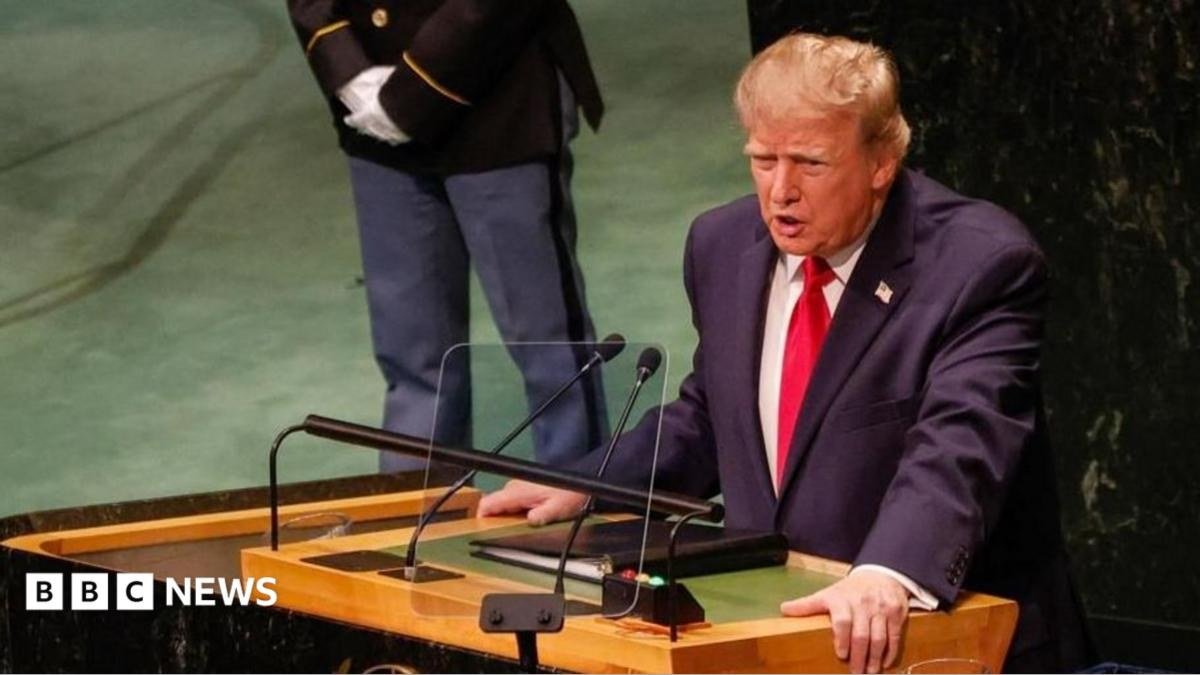
Addressing the UN General Assembly on Tuesday, President Trump defended the military action against Iran, contending that the conflict had prevented Tehran from acquiring a nuclear weapon. Trump framed his approach around a policy of coercive diplomacy, threatening overwhelming force while leaving avenues open for future negotiations.
During his speech, Trump questioned whether a deal would be reached to rebuild Iran or if he would quickly annihilate the country. He expressed confidence that a final agreement with Iran would likely be finalized following the US congressional elections in November. Trump later characterized a three-hour meeting between American officials and the Iranian delegation as very productive.
Regional Conflict and Impact
Hostilities between the nations escalated on February 28 when the US and Israel executed air strikes against targets in Iran. In response, Iran launched strikes against Israel, US regional facilities, and American Gulf allies, while also moving to block the Strait of Hormuz. The waterway previously carried roughly 20% of the world's oil and liquefied natural gas, and its closure has triggered significant price instability in global energy markets.
Since the breakdown of the June ceasefire, both sides have engaged in intermittent exchanges of fire. Iranian forces have targeted vessels attempting unauthorized passage through the Strait of Hormuz, while the US has conducted strikes on Iranian positions in the strait and hit tankers off Iran's coast. Washington has also maintained a blockade on Iranian ports and threatened sanctions against nations trading with Tehran. Despite these pressures, Iran maintains that any resolution requires an end to military action by the US and Israel, including Israeli operations against Iran-backed Hezbollah in Lebanon.
0 YORUMLAR
Bu KONUYA henüz yorum yapılmamış. İlk yorumu sen yaz...