
US Midterm Results Shape Early 2028 Presidential Race Landscape
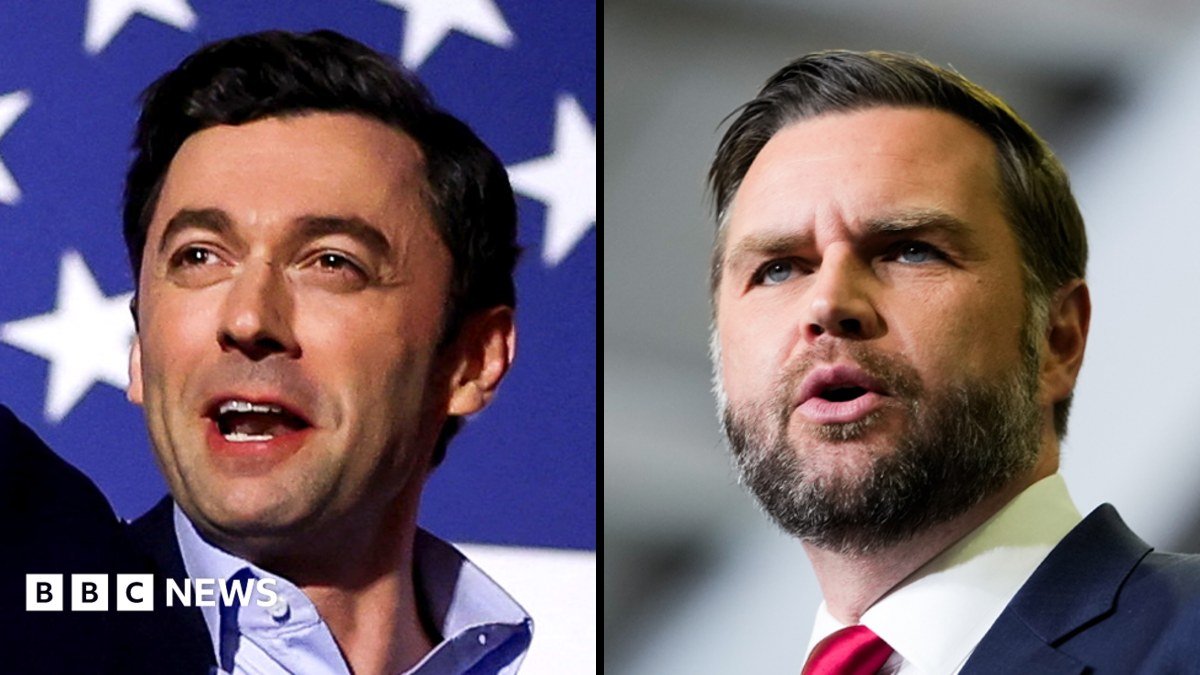
Following substantial Democratic gains in the US midterm elections, political focus is turning toward potential candidates for the 2028 presidential race. While no individuals have formally announced campaigns, election outcomes across several key states have highlighted potential contenders and shifting voter dynamics for both major parties.
Midterm Performers Gain Early National Attention
Several prominent politicians emerged from the 2026 midterms with increased national visibility. Democratic Senator Jon Ossoff secured re-election in Georgia by a notable margin, despite Donald Trump carrying the state in 2024. In Pennsylvania, Democratic Governor Josh Shapiro won re-election against his Republican opponent, while Illinois Governor JB Pritzker also secured another term.
On the Republican side, Senator Tom Cotton and Governor Sarah Huckabee Sanders of Arkansas both retained their seats, though by narrower margins than in previous cycles, each earning just over half of the vote. Meanwhile, California Governor Gavin Newsom campaigned against a state ballot initiative targeting high-income residents after being unable to seek re-election due to term limits.
Challenges and Critiques Within the Republican Party
Exit polling indicated that voter dissatisfaction with the Trump administration contributed to Republican losses. This environment creates hurdles for administration figures associated with potential 2028 bids, such as Vice-President JD Vance and Secretary of State Marco Rubio. Following the election, Vance attributed the party's losses to military conflict in Iran, posting on social media platform X, "The reason we lost is the war." Rubio has publicly denied reports suggesting he plans to step down early to prepare for a presidential campaign.
Other Republicans outside the administration have voiced critiques regarding the party's direction. Senator Ted Cruz argued on X that Republican candidates appeared detached from voters' economic struggles, while Florida Governor Ron DeSantis pointed to Republican wins in his home state as a viable model for future elections.
Internal Debates Among Democrats
Both progressive and moderate factions within the Democratic Party view the election results as validation for their strategies. Left-wing Democrats cited wins in competitive areas, such as Abdul El-Sayed's victory in Michigan, as proof that populist candidates can prevail in battleground states. Progressive advocates suggested these results could encourage candidates like New York Representative Alexandria Ocasio-Cortez to enter future primary contests.
Concurrently, centrist Democrats pointed to broad gains nationwide, noting that the moderate "Blue Dog Caucus" nearly doubled its congressional presence by adding at least 14 seats. Figures within this wing argue that pragmatic candidates capable of appealing to conservative voters remain the key to broader success. Former Obama adviser Jim Messina stated that dozens of potential Democratic candidates are already laying preliminary groundwork for 2028.
Shifting Political Geographies
The midterm outcomes also highlighted shifts in traditional party strongholds. In Texas, Republican representation at the statewide level dropped to a single officeholder, raising questions about the state's 40 electoral votes in upcoming elections. Analysts note that these changes signal a fluid political map where neither party can rely entirely on historically safe states.
0 YORUMLAR
Bu KONUYA henüz yorum yapılmamış. İlk yorumu sen yaz...