ANC Faces Expected Ballot Drop in South African Municipal Elections Amid Public Anger
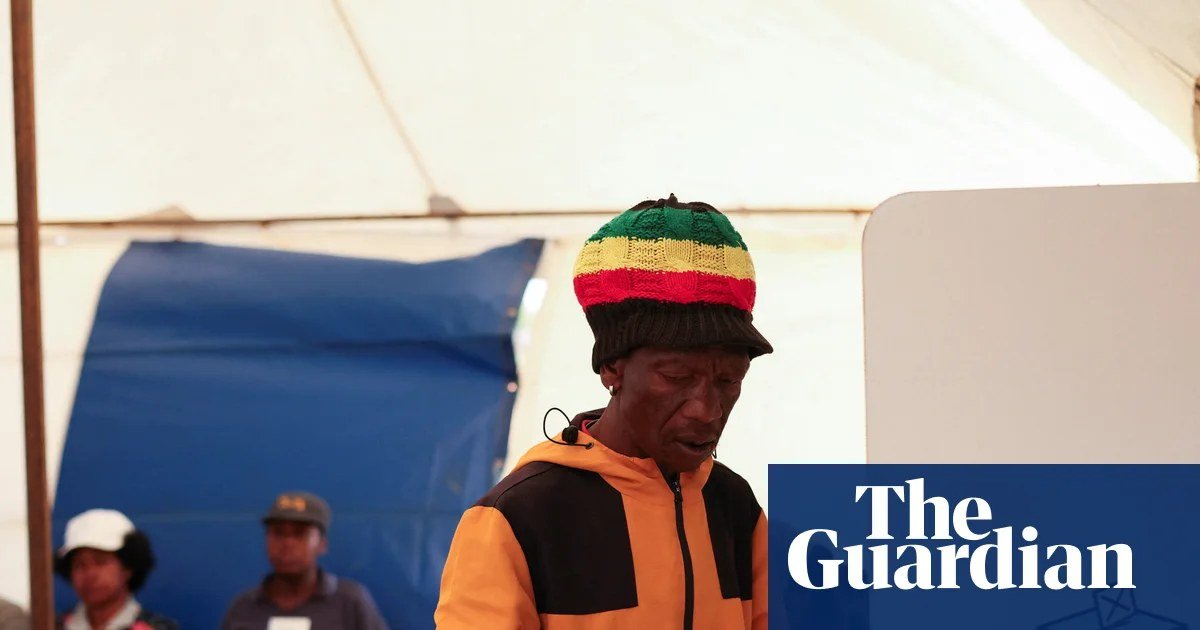
South Africans headed to the polls on Wednesday for local elections, with the ruling African National Congress (ANC) facing potential losses amid growing public discontent over failing infrastructure, frequent power cuts, and widespread water outages. Pre-election polling suggests the ANC could capture less than a third of the overall vote, a notable decline from the 45.6% it received in the 2021 municipal elections and its 40.2% share in the 2024 national elections.
Despite the anticipated drop in support, the ANC is expected to remain the country's largest single political party. However, vote fragmentation across South Africa's 257 municipalities is likely to increase reliance on local coalition governments, a dynamic analysts link to ongoing instability and poor municipal service delivery. Under South Africa's electoral system, voters select local councillors and political parties, with mayors chosen subsequently by elected councils within two weeks of the final election results being announced by the electoral commission.
Discontent and Coalition Dynamics in Major Metros
In Johannesburg, home to 4.8 million residents, frustration over basic services remains high following recent water shortages lasting over a week. The city has experienced rapid administrative turnover, having had 10 mayors over the past decade. It is currently governed by ANC Mayor Dada Morero in a coalition alongside the Economic Freedom Fighters (EFF) and the Patriotic Alliance (PA). Former Johannesburg mayor Herman Mashaba, who leads ActionSA—a party polling around 10%—has publicly ruled out entering into a coalition with the Democratic Alliance's (DA) Helen Zille, whom he has accused of being a racist, an allegation Zille has consistently denied. Meanwhile, the ANC faces its own internal factional infighting while considering three potential mayoral candidates for Johannesburg.
Unstable governance has similarly affected other regions in Gauteng province. Nearby Ekurhuleni has seen three mayors since 2021, while Tshwane has experienced four mayoral rotations between different political parties since 2020. In October, contaminated water in east Tshwane's Bronkhorstspruit area resulted in more than 800 people contracting a gastrointestinal illness. While South African media report that the ANC's national leadership is open to forming local partnerships with the DA in Gauteng—mirroring their national coalition setup—local ANC officials reportedly oppose such an arrangement.
Regional Polling Trends Across South Africa
In eThekwini metro, which includes the port city of Durban, the uMkhonto weSizwe (MK) party, led by 84-year-old former ANC president Jacob Zuma, was polling above 40%. Zuma, who has consistently denied numerous corruption allegations against him, appears positioned to siphon substantial voter support away from the ANC, which garnered 42% of the eThekwini vote in 2021 but recently polled at approximately 10%.
In Cape Town, the DA is projected to maintain its majority, which it has held since 2006. However, support for the party is expected to slip below the 58% share it won in 2021, largely driven by voter dissatisfaction regarding rising housing costs. The Independent Electoral Commission has up to one week from election day to release the final certified results.
0 YORUMLAR
Bu KONUYA henüz yorum yapılmamış. İlk yorumu sen yaz...