
New Zealand Election Ends Without Clear Majority as Party Leaders Prepare for Coalition Talks
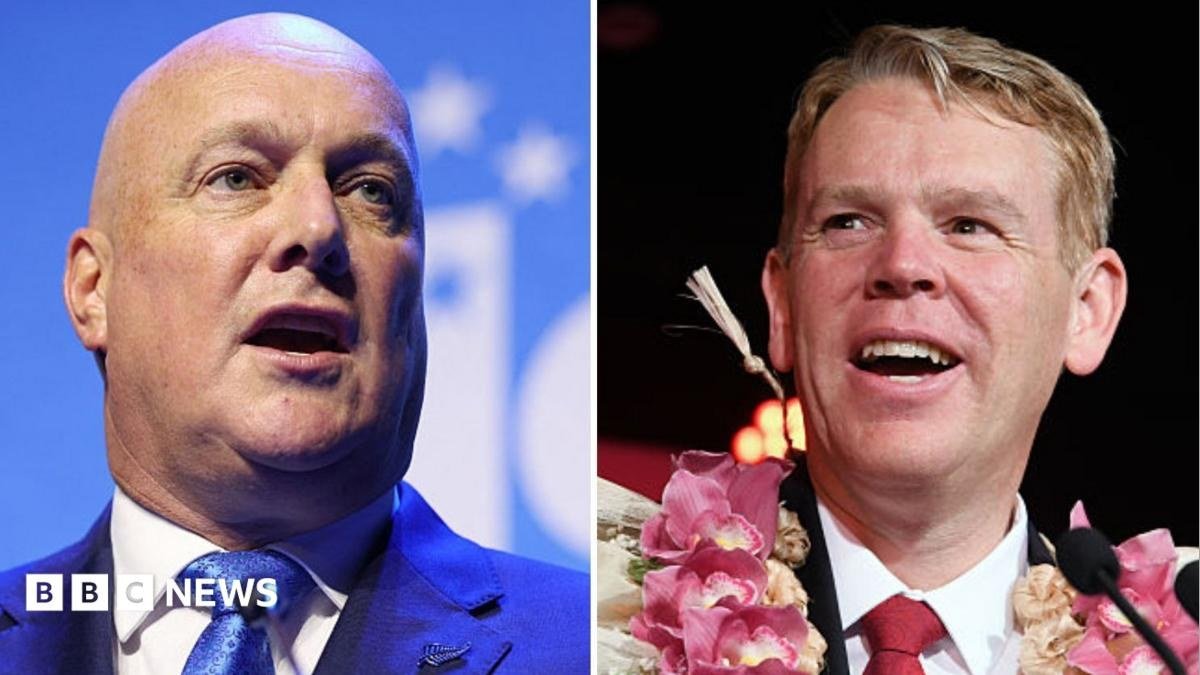
New Zealand's general election on Saturday ended without a clear winner, leaving leaders of the nation's primary political parties preparing for talks to assemble a coalition government. With more than 99% of the votes counted, preliminary results show historically low combined support for the two main parties, which together captured approximately 60% of the vote.
Prime Minister Christopher Luxon's centre-right National Party emerged as the largest party with 42 seats, falling 19 seats short of the 61-seat simple majority needed to govern alone. A potential agreement combining National with its coalition partners, ACT and New Zealand First, would yield a narrow advantage over the left-leaning political bloc. Luxon confirmed he will head a caretaker administration until official results are declared on November 27, noting that meaningful negotiations will follow the final count.
OPPOSITION REFUSES TO CONCEDE AS PARLIAMENTARY SEATS SPLIT
Opposition leader Chris Hipkins of the Labour Party, which secured 36 seats, refrained from conceding. Hipkins stated that the final structure of the next government will remain uncertain for a period, emphasizing that the incoming parliament will require political compromise and cooperation to identify common ground.
According to current seat projections, the National Party holds 42 seats, Labour holds 36, the Green Party holds 16, ACT holds 13, New Zealand First holds 12, the Opportunity Party holds 7, and Te Pāti Māori holds 5. The campaign leading to the vote was heavily influenced by economic issues, specifically unemployment and the rising cost of living.
MINOR PARTIES HOLD KEY INFLUENCE IN COALITION FORMATION
The Opportunity Party crossed the 5% electoral threshold to gain parliamentary representation for the first time. Party leader Qiulae Wong stated the party is willing to negotiate with either major political side, though discussions will commence first with the party that captured the highest number of seats. University of Otago election law expert Professor Andrew Geddis described the Opportunity Party as a pivotal player that could decide which bloc forms the government. Geddis noted that final outcomes depend on narrow margins and the counting of special votes over the next three weeks.
The Green Party expanded its vote share by several percentage points after campaigning on economic proposals, such as requiring major supermarket chains to divest stores to form publicly owned retail outlets. New Zealand operates under a mixed-member proportional electoral system where voters cast ballots for both a local constituency representative and a political party, historically requiring coalition arrangements to form a government.
0 YORUMLAR
Bu KONUYA henüz yorum yapılmamış. İlk yorumu sen yaz...