
Japanese Yen Surges as Investors Anticipate Bank of Japan Rate Hike
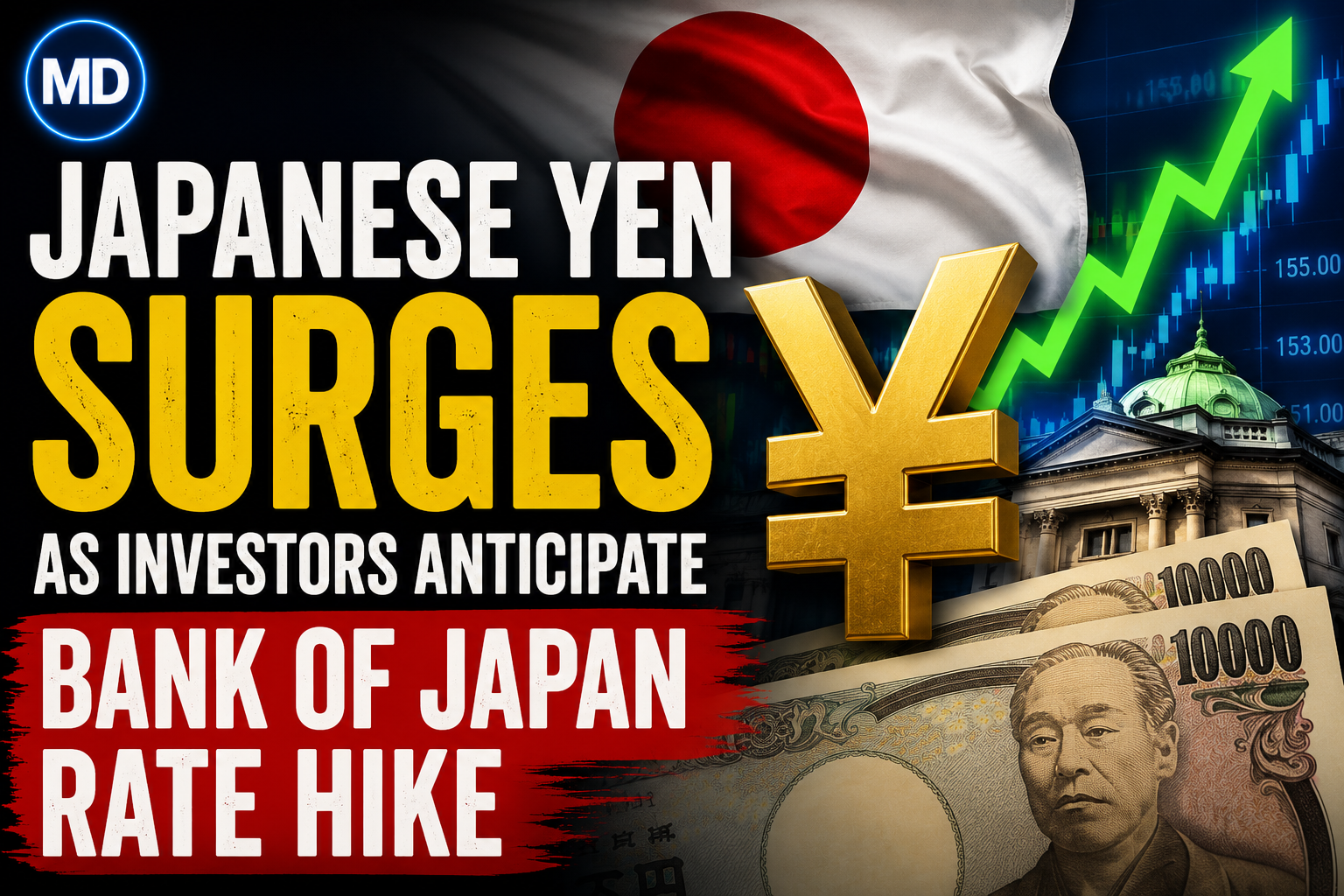
The Japanese yen experienced a significant rally on Thursday, surging by more than 2% against the US dollar as market participants speculated that the Bank of Japan (BoJ) may soon raise interest rates. The surge pushed the currency to a one-month high of 155.57 per dollar, following a 0.9% gain during the previous session.
BoJ Policy Expectations Drive Currency Rally
The move in the yen was largely sparked by comments from BoJ policymaker Hajime Takata, who suggested that the central bank needs to act more "nimbly." Financial institution Citi informed clients in a note that Takata's remarks represented the "strongest messaging we've heard from the board and reintroduces the idea of an expedited rate hike trajectory." Following these comments, financial markets priced in a 77% probability of an interest rate increase at the BoJ's upcoming policy meeting scheduled to begin on 17 September.
The BoJ has been incrementally raising interest rates over the past two years after Japan transitioned out of a decades-long period of deflation. However, its primary policy rate was maintained at 1% during its July meeting. Commenting on the currency's sharp appreciation, Japan's vice-finance minister for international affairs, Atsushi Mimura, stated he was "neither satisfied nor reassured" and confirmed that policymakers "remain on a state of heightened alert." Nigel Green, chief executive of financial advisory firm deVere, noted that the sudden currency surge highlighted the unsettled state of global markets, remarking that "markets this jumpy don't need a shock to move hard, a rumour is enough."
Global Market Volatility and Central Bank Signals
The sharp shift in the yen occurred against a backdrop of broader global market jitters caused by a dramatic sell-off in government bonds earlier in the week. The bond sell-off, driven by concerns that elevated oil prices could trigger a fresh wave of inflation, pushed government borrowing yields higher across major economies. Investors have consequently been reassessing interest rate outlooks globally.
The pressures on global bond markets intensified after US Federal Reserve chair Kevin Warsh indicated during a speech last Friday at the Jackson Hole central bankers' conference that the Fed would have "more to do" if inflation fails to progress toward its 2% target. Warsh had previously faced scrutiny from some market participants after stepping back from the Fed's traditional "forward guidance" approach of signalling future rate decisions.
Conversely, the US dollar faced broad downward pressure on Thursday after Fed governor Christopher Waller suggested he favored holding interest rates steady at the central bank's upcoming decision. Waller stated to Reuters, "I'm going to paraphrase John Lennon here: 'give disinflation a chance'. We can wait one meeting." His comments triggered further declines in the dollar against the yen, euro, and British pound. Meanwhile, global bond market volatility appeared to temper on Thursday, with yields on UK 10-year government bonds hovering around 5.1% after approaching a 2008 high of nearly 5.3% earlier in the week.
0 YORUMLAR
Bu KONUYA henüz yorum yapılmamış. İlk yorumu sen yaz...