
Falkland Islands Face Fresh Economic Threats From Argentina
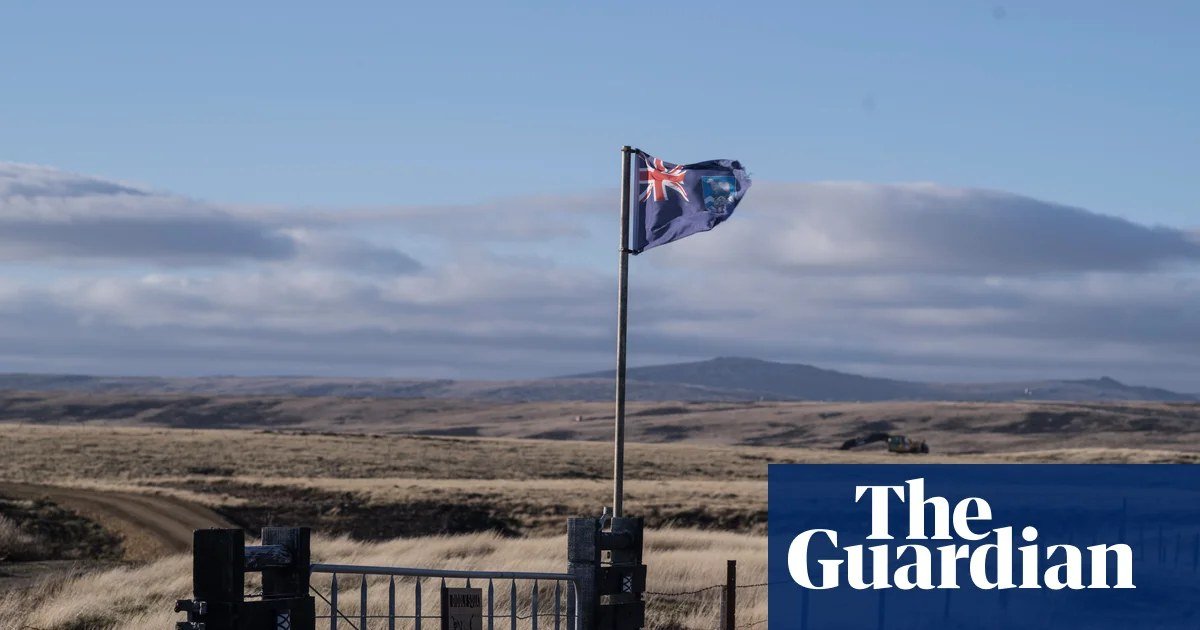
The Falkland Islands assembly has raised concerns over an escalating economic campaign directed by Argentina, warning that recent actions pose a severe threat to the territory's financial future. Argentine President Javier Milei, facing declining domestic approval ratings ahead of upcoming elections, has enacted legislation targeting the islands' emerging oil sector and hinted that its lucrative fishing industry could be targeted next.
Assembly member Lewis Clifton informed residents that Argentina is pursuing a aggressive strategy aimed at undermining the territory's economic development. The legislative response follows measures from Buenos Aires designed to criminalize businesses and individuals involved in Falklands oil exploration.
UK Reaffirms Support Amid Financial Sanctions
In response to the growing pressure, British officials Andy Burnham and Foreign Secretary Ed Miliband reiterated the UK's commitment to the self-determination of the Falkland islanders. The British government pledged to introduce protective legislation to mitigate potential financial harm caused by Argentine sanctions and requested that Interpol reject arrest requests submitted by Argentina regarding the dispute.
While direct military action remains an unlikely scenario due to the presence of 1,800 British military personnel, Typhoon fighter jets, and air defense systems based at Mount Pleasant airbase, islanders remain cautious regarding long-term diplomatic and economic stability.
Economic Growth and Demographics
Since the 1982 conflict, the archipelago's population has expanded from 1,800 to approximately 3,600 residents, representing roughly 70 nationalities. The economy transformed significantly following the establishment of a 200-nautical-mile exclusive fishing zone in 1986, which generates substantial revenue through squid fishing licenses issued to international fleets.
The economic transition has driven per capita gross domestic product from £2,000 in 1982 to an estimated £85,000 in 2025, placing the territory among the highest globally. High employment rates, competitive tax limits, and expanding local industries have driven steady population growth, leading local authorities to temporarily freeze the permanent residency application process after reaching annual caps.
0 YORUMLAR
Bu KONUYA henüz yorum yapılmamış. İlk yorumu sen yaz...