US Facing Allegations of Intervention in Brazil's 2026 Presidential Election
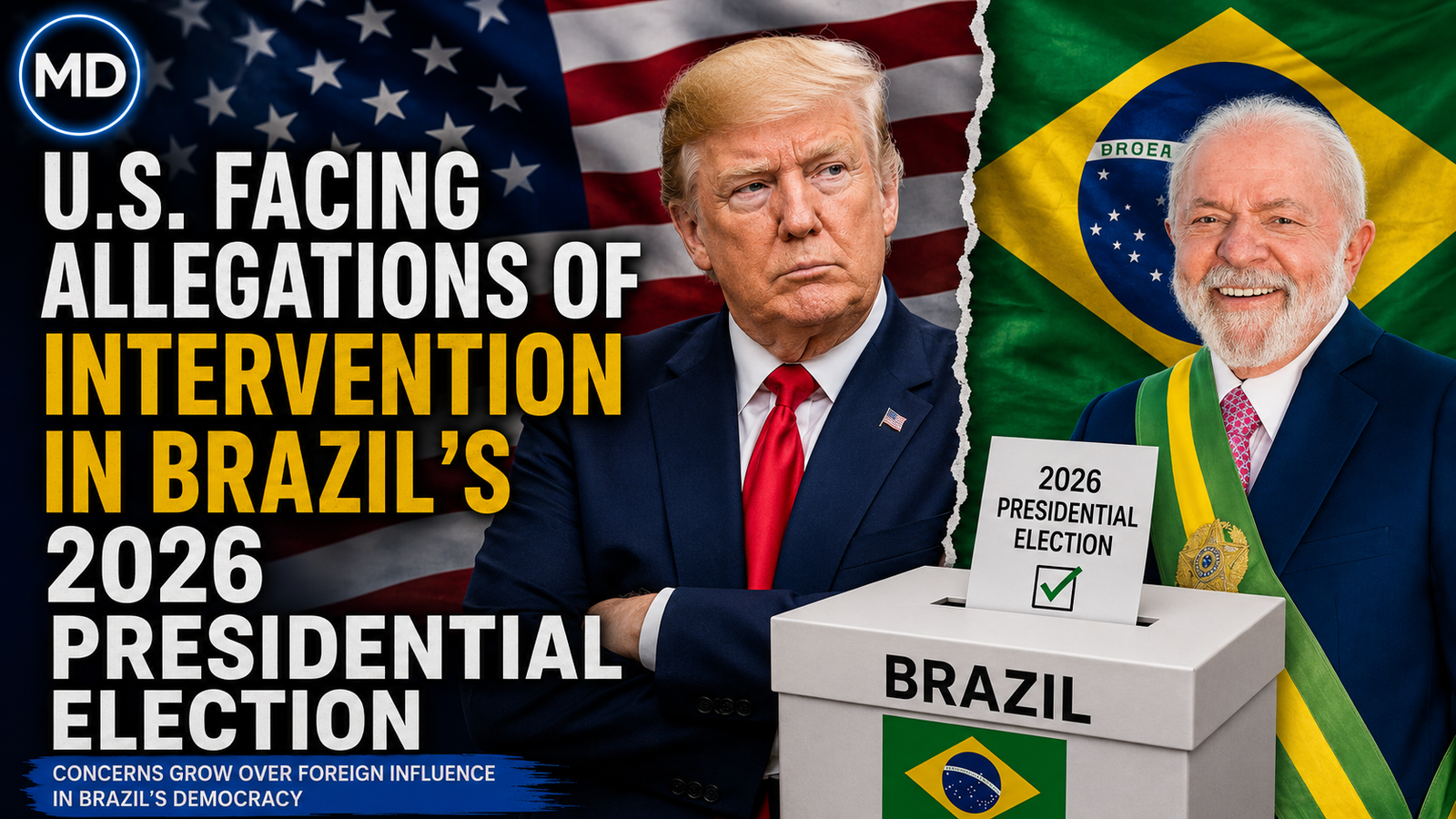
Accusations of political interference have emerged ahead of Brazil's 2026 presidential election, with critics alleging that the U.S. government is attempting to influence the outcome in favor of far-right candidate Flávio Bolsonaro against left-wing incumbent Luiz Inácio Lula da Silva.
The upcoming election is expected to be closely contested between President Lula and Senator Flávio Bolsonaro, the son of former President Jair Bolsonaro, who is currently serving a 27-year sentence for his role in plotting a military coup. Critics, including political scientists and activists, accuse U.S. President Donald Trump and Secretary of State Marco Rubio of conducting an overt campaign of diplomatic and economic pressure against the current Brazilian administration.
Economic Measures and Visa Disputes
The measures targeting Brazil include the imposition of 25% tariffs on most Brazilian exports to the U.S., as well as designating two major Brazilian criminal syndicates—Rio de Janeiro's Red Command and São Paulo's First Command of the Capital—as foreign terrorist organizations. Brazilian officials suspect these designations are intended to portray Lula as weak on public security.
Tensions escalated further in July when Lula stated that two Trump administration officials were denied entry visas over plans to interfere in the election by undermining confidence in Brazil's voting system. Shortly after the denial, the visa for Brazil's ambassador to Washington was revoked.
U.S. Denies Allegations
The U.S. Department of State rejected claims of interference in Brazil's domestic politics. In an official statement, a spokesperson characterized assertions of a plot to disrupt the election as a "baseless lie," adding that the U.S. respects the choices of the Brazilian electorate made through free and fair democratic processes.
Historical Parallels and Regional Strategy
Observers and historians have drawn comparisons between recent actions and Washington's covert intervention in Brazil during the Cold War. In 1962, the CIA and U.S. State Department secretly funded political opposition groups and propaganda efforts against then-President João Goulart, laying the groundwork for the 1964 military coup that resulted in two decades of dictatorship.
Analysts note that unlike the covert funding operations of 1962, the current U.S. posture relies on public economic leverage and diplomatic pressure. Experts suggest the strategy aims to weaken left-leaning leadership across Latin America while strengthening right-wing movements throughout the region.
0 YORUMLAR
Bu KONUYA henüz yorum yapılmamış. İlk yorumu sen yaz...