
Senegal Escalates LGBTQ+ Crackdown Following Penal Code Amendments, Human Rights Report Finds
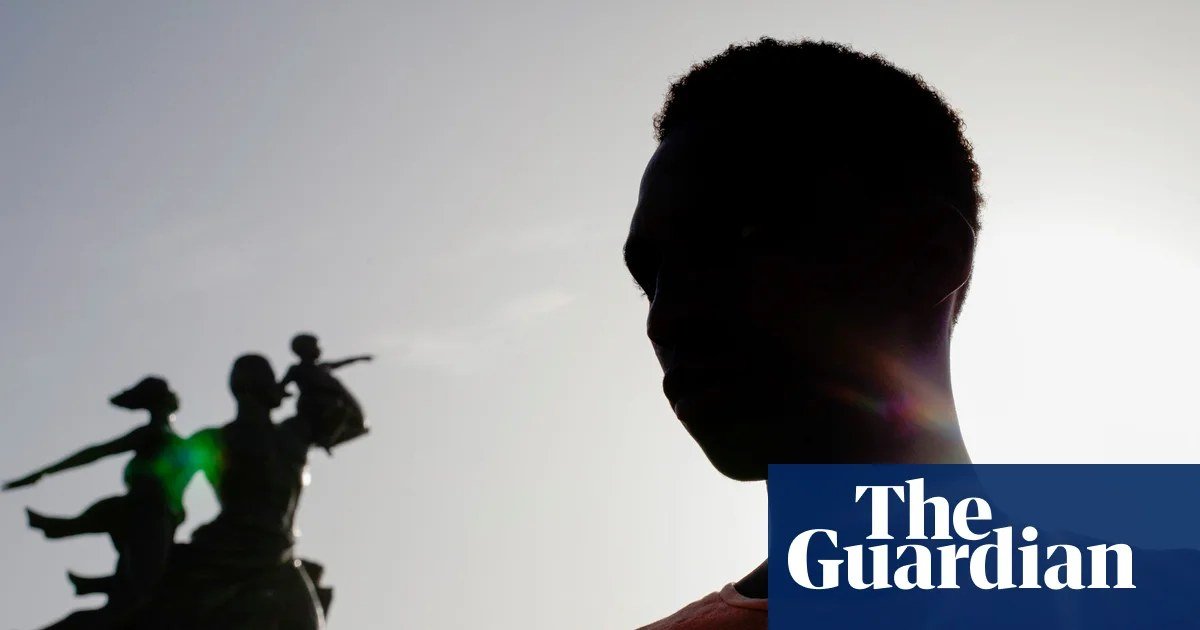
More than 320 individuals have been arrested and detained in Senegal on allegations of "acts against nature" since February, according to a recent report by Human Rights Watch citing data from the HIV Justice Network. The increased enforcement follows legislative changes earlier this year that toughened the country's penal code regarding same-sex relations.
On March 11, Senegal's parliament amended the penal code, doubling the maximum prison sentence for consensual same-sex activity to 10 years. The revisions also established prison terms of up to seven years and fines ranging from 500,000 to 5 million CFA francs (£650 to £6,500) for promoting homosexuality or providing support and funding to LGBTQ+ individuals and organizations. Same-sex sexual relations have been illegal in Senegal since 1965, but political figures—including President Bassirou Diomaye Faye and former Prime Minister Ousmane Sonko—made strengthening these statutes a core promise during the 2024 presidential campaign.
Impact on Legal Representation and Public Health
Authorities across the country have conducted arrests using evidence gathered from confiscated phones, third-party accusations, and raids on private residences. According to Human Rights Watch, at least 84 of those detained were charged with "voluntary HIV transmission" solely due to their HIV status. Sylvie Beaumont, a consultant for the HIV Justice Network, characterized these charges as unprecedented, noting that many individuals discovered their status only after being arrested, were detained with condoms, or were undergoing treatment that prevents transmission.
The heightened legal penalties have reportedly created a chilling effect among legal professionals, with defense attorneys expressing fear of prosecution for representing suspects. Healthcare providers also indicated that the crackdown is deterring people from accessing HIV testing and medical care, leading to a reported decline in clinic attendance. Furthermore, the report highlighted instances of law enforcement leaking confidential investigation details and medical statuses to media outlets, exposing suspects to social rejection, threats, and violence.
Broader Regional Trends
Human Rights Watch stated that the actions violate domestic and international guarantees regarding privacy, fair trial rights, and non-discrimination. Larissa Kojoué, an LGBTQ+ rights researcher at the organization, noted that affected individuals are restricting their movements, going into hiding, or fleeing the country due to fear of detention and growing societal stigma.
The developments in Senegal mirror similar legislative shifts across sub-Saharan Africa. In February, Niger criminalized same-sex sexual relations for the first time in its history, leading to dozens of arrests. This followed recent penal code changes in Mali and Burkina Faso. Additionally, Ghana passed a bill in May targeting LGBTQ+ activities that awaits presidential signature, while Uganda enacted its Anti-Homosexuality Act in 2023.
0 YORUMLAR
Bu KONUYA henüz yorum yapılmamış. İlk yorumu sen yaz...