
Jamaican Filmmakers Reclaim Local Narratives to Address Colonial History and Trauma
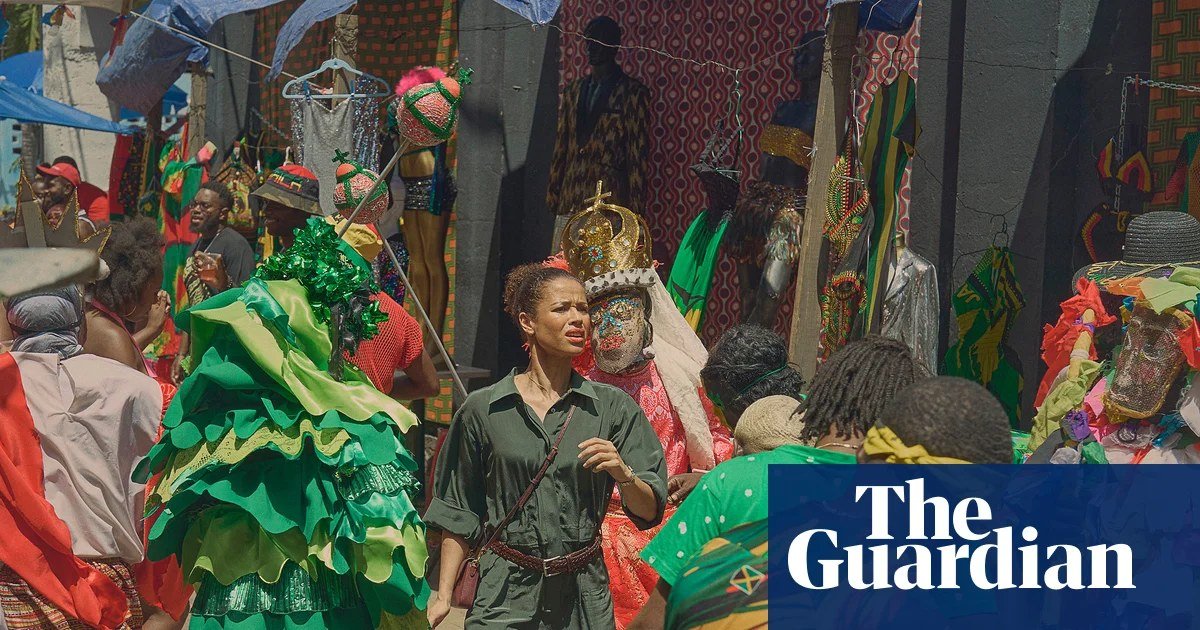
Jamaican filmmakers and directors are increasingly utilizing local landscapes and creative storytelling to address historical trauma, enslavement, and the legacies of colonialism. Experts and industry leaders view this evolving movement in Jamaican cinema as a form of cultural reparation that reclaims suppressed narratives and presents authentic Jamaican experiences to global audiences.
Exploring Colonial Legacies Through Supernatural Cinema
A prime example of this trend is Sky's supernatural series Possession, directed by Jamaican filmmaker Storm Saulter. The show follows a biracial British lawyer traveling to Jamaica to resolve a multimillion-pound inheritance dispute, only to encounter a vengeful spirit tied to a plantation's colonial past. Saulter highlights a pivotal scene where a character opens a 300-year-old box as a metaphor for unleashing long-suppressed histories and confronting the enduring legacy of enslavement and colonial violence.
Saulter, whose rural upbringing informed his understanding of local spiritual traditions such as Obeah and Nine Nights, emphasized the importance of delivering compelling entertainment that also drives societal and political impact. By incorporating Afro-spiritualist traditions, the production aims to engage viewers in a narrative journey rather than relying on conventional documentary formats. Yoruba priestess and cultural expert Dr. L’Antoinette Stines, who advised on the series, noted that using the arts as a form of resistance builds upon decades of work by Caribbean academics, poets, and creatives.
Cultural Reparation and Growing Industry Ambition
Dr. Lisa Tomlinson, a film studies lecturer at the University of the West Indies, observes that modern Jamaican films are actively tackling topics that were previously considered taboo. Tomlinson describes this movement as "cultural reparation," explaining that artistic expressions of African-derived spiritualities and historical knowledge allow Jamaicans to reclaim authority over their own stories and raise public awareness surrounding reparations. She also highlights the role of diaspora directors in moving away from exoticized, tourist-focused depictions to capture genuine daily life in Jamaica.
Jamaica's film commissioner, Jacqueline Jackson, pointed to projects like Possession and Delroy Lindo's Jabari’s People—both filmed entirely in Jamaica—as evidence of the island's expanding creative ambition. While Jamaica remains a established destination for foreign film shoots, Jackson emphasized the growing priority to foster local productions and international collaborations that bring authentic Jamaican stories to international viewers.
0 YORUMLAR
Bu KONUYA henüz yorum yapılmamış. İlk yorumu sen yaz...