
Historical Research Links Historic London Hospital to Transatlantic Slave Trade Investors
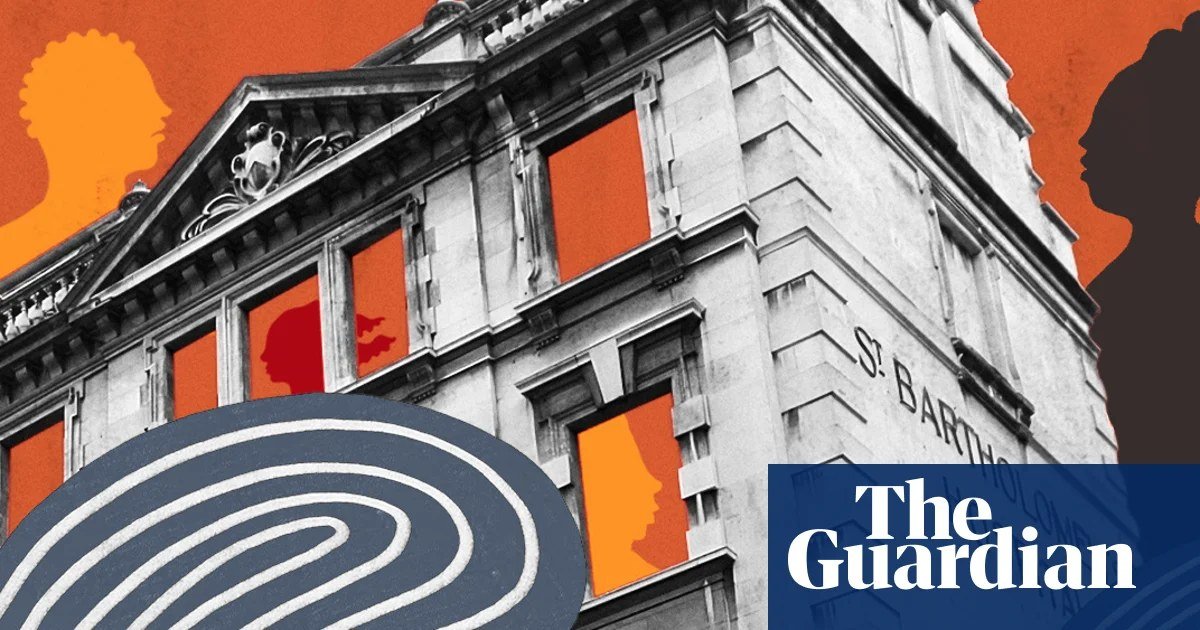
New research from the Register of British Slave Traders has highlighted extensive financial links between St Bartholomew’s Hospital in London and donors who profited from the transatlantic trafficking of enslaved African people. The register, a collaborative initiative by Lancaster University, the University of Manchester, and University College London, details biographical information on investors in British slave trading from the 16th to the 19th centuries.
Led by Professor William Pettigrew, the project identified connections between slave trade investors and approximately 900 British institutions, including schools, churches, charities, and healthcare facilities. At St Bartholomew's, commonly known as St Barts, research revealed at least 50 individuals with deep financial ties to the hospital who were directly involved in the slave trade.
Prominent Donors Commemorated in Hospital Halls
Many of these benefactors are honored on acrylic gold-painted commemorative boards inside the Great Hall of the hospital's North Wing. Among those named is Sir Jeffrey Jeffreys, a London merchant and Royal African Company (RAC) director who left an unspecified sum to St Barts in his will. Jeffreys was financially linked to 13 slave-trading voyages and served as an RAC director across two terms between 1684 and 1698, a period during which the company made 170 crossings.
One vessel funded by Jeffreys, the Hannibal, undertook a deadly crossing in 1694 under the command of Captain Thomas Phillips. Out of 700 enslaved Africans bought in Whydah, only 372 survived the journey to Barbados, representing a mortality rate of nearly 50 percent caused by smallpox, dysentery, starvation, and suicide. Journals from the voyage detail severe conditions, including branding and violent enforcement.
Widespread Financial Involvement Among City Figures
The register documents several other historical figures associated with both the hospital and the slave trade:
- William Prichard: A former president of St Barts and leading merchant who purchased £600 of RAC stock in January 1678.
- Sir Robert Geffrye: A major investor who left funds to St Barts and sold £1,600 of RAC stock (equivalent to £350,000 today) in a single day in 1692.
- Sir Robert Vyner: A private banker and Lord Mayor of London (1674–75) who invested £5,000 (equivalent to £1.18 million today) in the RAC and served as an assistant before leaving part of his estate to the hospital upon his death in 1688.
- Sir William Humphreys and Samuel Stanier: Former Lord Mayors who held RAC shares and left legacies to St Barts.
- Edward Colston: The Bristol merchant whose statue was pulled down by protesters in 2020 also appears in the register's records.
Institutional Acknowledgement
Historically, St Barts offered free care to the poor, funded by charitable bequests and rental properties. In 2024, the Barts Health NHS Trust archives formally acknowledged these historical ties by issuing an official research guide detailing the hospital's connections to the slave trade and providing instructions on how to investigate them further.
0 YORUMLAR
Bu KONUYA henüz yorum yapılmamış. İlk yorumu sen yaz...