
Half of Young Australian Adults Living with Parents, HILDA Survey Reveals
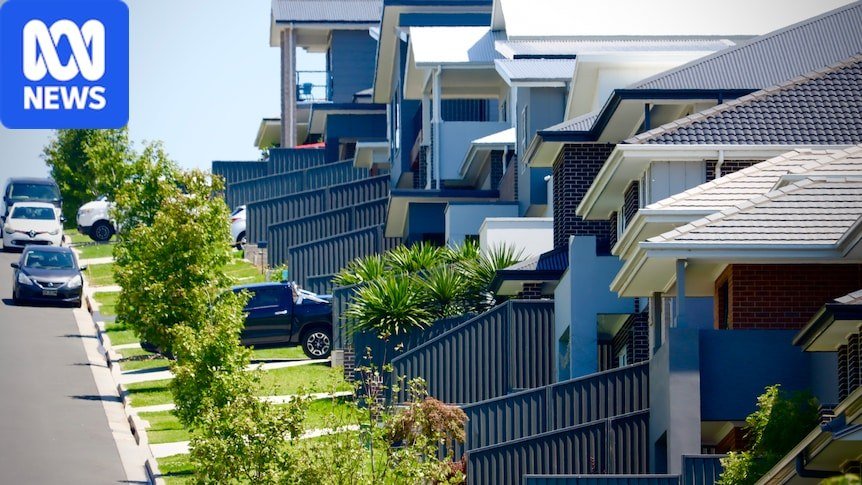
Half of Australian adults aged 18 to 29 are now living in their family home with their parents, up from 39 per cent in 2001, according to the latest Household, Income and Labour Dynamics in Australia (HILDA) survey. The findings are part of a 24-year longitudinal report tracking social and economic conditions across Australia from 2001 to 2024.
The annual survey, led by Dr Inga Lass and based on interviews with 17,000 participants primarily conducted between July and October 2024, tracks long-term shifts in housing affordability, labor market trends, educational attainment, and relationship health across the nation.
Housing Pressures and Renter Disparity
The report highlights growing divergence among young adults who leave home. Two-thirds of young Australians who moved out of their parents' homes are renting privately, a group reporting lower satisfaction and higher housing inadequacy compared to home buyers or those living with parents. In mainland capital cities, housing stress among young private renters rose to 25.3 per cent in 2024, up from 17.6 per cent in 2001.
In contrast, housing stress among young mortgage holders remained relatively stable, rising slightly from 8.6 per cent in 2001 to 9.9 per cent in 2024 despite sharp increases in housing costs. Study authors noted this stability suggests entry into homeownership is increasingly limited to individuals with high earnings, substantial savings, or family wealth.
Labor Market Mismatches and Education Trends
The survey found that half of Australian workers feel over-educated for their positions, while a quarter feel over-skilled. Labor mismatches are particularly high among workers under 25, casual employees, individuals born in non-English speaking countries, and those in sales or accommodation and food services. Over-skilling was reported to have stronger negative effects on life and job satisfaction than over-education, leading to higher rates of job resignations.
Educational attainment has grown significantly, particularly among women. Well over half of women aged 25 to 44 now hold a university degree, compared to 40 per cent of men in the same age bracket. Consequently, women maintain higher educational qualifications than men across all age groups under 65. However, report co-author Dr Kyle Peyton noted that men aged 25 to 44 who did not complete Year 12 saw their full-time employment rates decline from 70 per cent in 2001 to 63 per cent in 2024, while those outside the labor force rose from 12 per cent to 22 per cent.
Relationship Quality Trends
Despite economic challenges, long-term relationships remain largely stable, with high overall scores across multiple relationship quality indicators. Men consistently reported higher relationship satisfaction than women. Equal division of earnings, childcare, and domestic labor were linked to stronger relationship scores. Satisfaction was highest among childless couples with equal earnings and lowest among households with dependent children where women were the primary earners and handled most paid and unpaid work.
Relationship satisfaction showed a distinct U-shaped pattern, measuring high when couples initially move in together, declining to its lowest point around 24 years into cohabitation, and recovering steadily in longer-duration relationships as financial and parenting pressures ease.
0 YORUMLAR
Bu KONUYA henüz yorum yapılmamış. İlk yorumu sen yaz...