
UK-Israel Relations Hit Lowest Ebb in Decades Following Settlement Sanctions
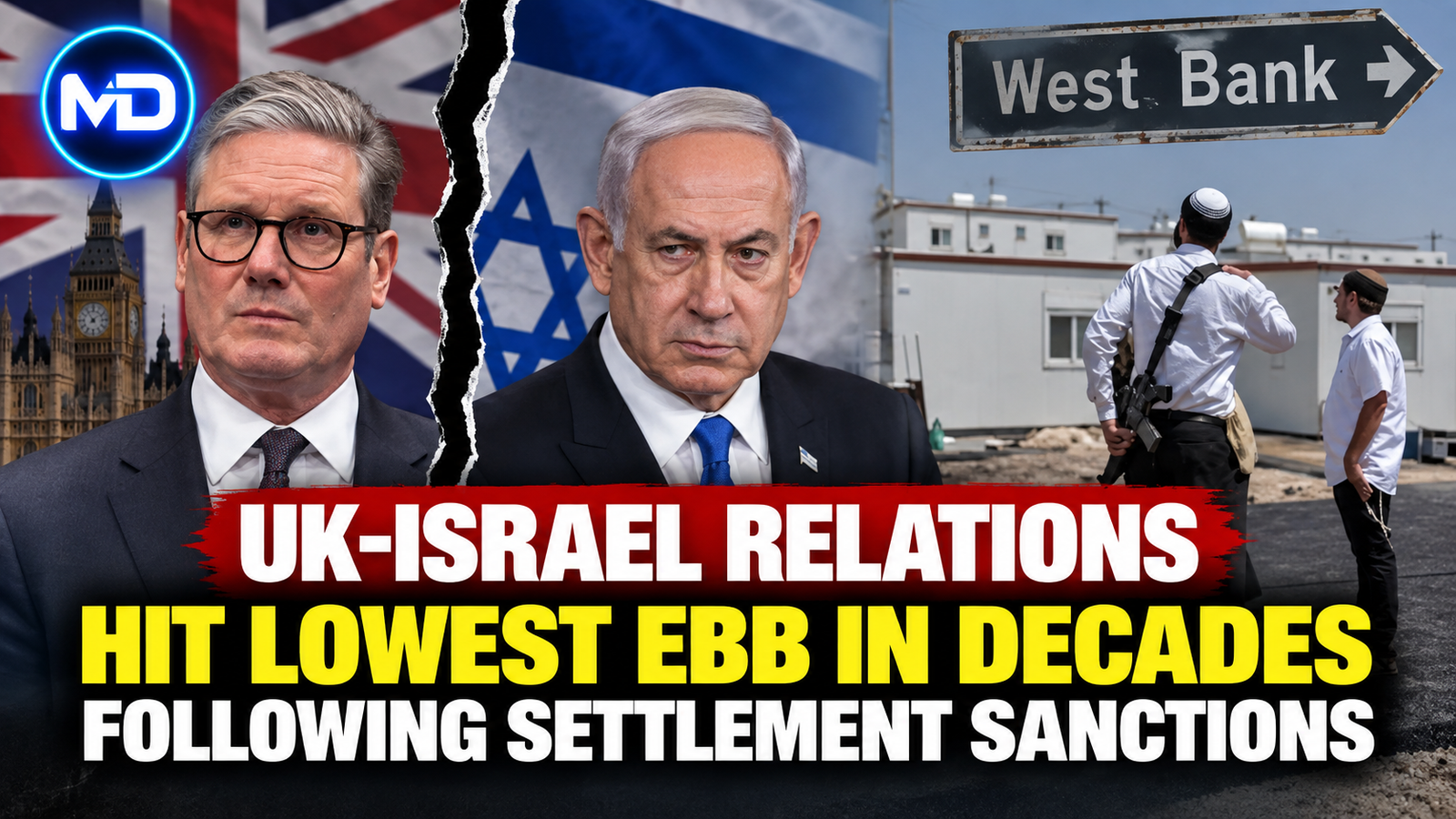
Diplomatic relations between the United Kingdom and Israel have reached their lowest point in decades following Britain's decision to ban trade with Israeli settlements in the occupied West Bank. The move was executed in coordination with 11 other nations, including Canada, France, and Spain.
In response to the policy shift, Israel instituted retaliatory diplomatic measures against the UK. Israel closed the British consulate in East Jerusalem, which services the West Bank and maintains direct ties with the Palestinian Authority in Ramallah. Furthermore, Israeli authorities removed British representatives from the International Gaza Support Centre, an entity established last year to coordinate Gaza relief and stabilization efforts.
Expanded Trade and Economic Restrictions
The economic policy changes follow a 2024 International Court of Justice ruling that determined Israel's occupation and military presence in Palestinian territories to be unlawful. British Foreign Secretary Ed Miliband stated that the UK's trade relationships must reflect this legal ruling, framing the decision as a fundamental reset of British policy.
The newly announced measures extend beyond a prohibition on goods produced or grown in settlements. The policy bans interactions with corporate entities providing finance, construction, or infrastructure to West Bank settlements, while also introducing restrictions on military exports that materially contribute to the occupation.
Statements from UK and International Figures
Miliband, describing himself as a proud British Jew with unwavering support for Israel, strongly criticized settlement activities. He asserted that rampant settler terrorism has led to the ethnic cleansing of Palestinians in parts of the West Bank, accusing the Israeli government of turning a blind eye to the situation. Within the West Bank village of al-Mughayyir, six people, including three school pupils, have been killed this year during a surge in settler-related violence.
Israeli Foreign Minister Gideon Saar strongly condemned the British action. While many Israelis oppose the ideological violence of certain settlers, a broad segment of the Israeli public rejects the assertion that settlements built on land captured during the 1967 Six-Day War are illegal. The international restrictions add to growing Israeli concerns regarding global isolation, which includes international arrest warrants against leaders and exclusion from cultural and sporting events.
Palestinian and Geopolitical Reactions
The Palestinian foreign ministry welcomed the joint sanctions but requested urgent measures to halt Israel's settlement enterprise. Dr. Husam Zomlot, the Palestinian ambassador to the UK, termed the policy a turning point that could support the eventual establishment of an independent Palestinian state based on 1967 borders with East Jerusalem as its capital.
Despite the joint diplomatic action by the 12 nations, analysts note that major policy changes regarding the 59-year occupation largely depend on the United States. Unlike historic precedents—such as President George H.W. Bush threatening to withhold $10 billion in loan guarantees over settlement expansion in 1991—current US policy under Donald Trump shows no inclination to restrict Israeli settlement plans. Furthermore, US Ambassador to Israel Mike Huckabee maintains strong religious alignment with Israeli territorial claims in the West Bank.
0 YORUMLAR
Bu KONUYA henüz yorum yapılmamış. İlk yorumu sen yaz...