
Victorian Voters Head to the Polls as Early Voting Opens for State Election
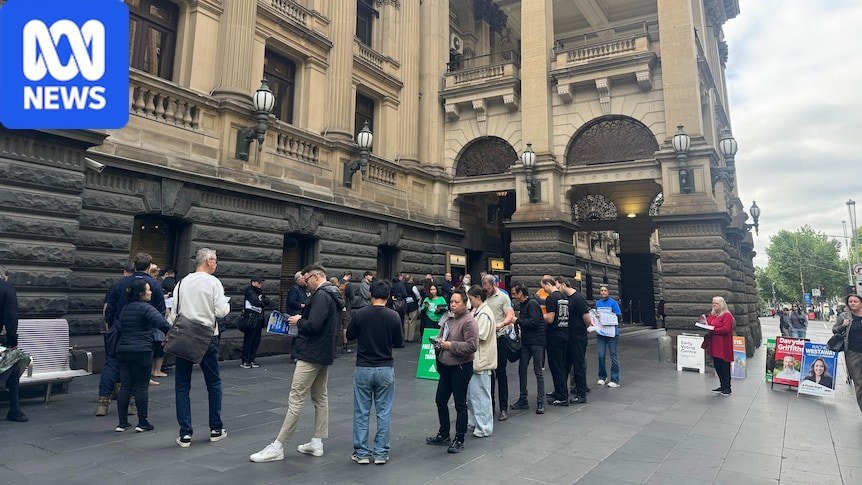
Early voting for the Victorian state election officially opened today, with more than 4.7 million citizens registered to vote ahead of the final polling day on November 28. According to the Victorian Electoral Commission (VEC), around 60 per cent of all voters are expected to cast their ballots early. Pre-polling locations, including Melbourne Town Hall, opened their doors to queues of voters this morning and will operate daily from 9am to 6pm until Friday, November 27, remaining closed on Sunday, November 22.
The election campaign sees major parties, minor parties, and independents competing across the state. In the electorate of Kew, Liberal leader Jess Wilson was seen campaigning alongside independent candidate Sophie Torney outside an early voting site. Torney, who secured 21.1 per cent of the vote against Wilson's 44.3 per cent in 2022, is aiming to become the first non-Liberal candidate to win the seat. Meanwhile, in Melbourne's north, Labor holds the electorate of Greenvale via MP Iwan Walters following a nearly 15 per cent swing away from the party during the previous election cycle.
Debate Over Data Centres and Technology Policy
Technology policies and data center developments have surfaced as significant focal points during the campaign. Local opposition to infrastructure projects, such as power poles linked to NextDC's data center expansions in West Footscray, has sparked political debate. The Greens are advocating for an immediate moratorium on new AI data center developments, alongside proposals to compensate affected communities and ban AI surveillance technology—including facial recognition and biometric scanning—in retail settings and workplaces. One Nation has similarly pledged to prohibit data centers on agricultural land and mandate tighter regulations.
Conversely, both Labor and the Coalition have stopped short of calling for bans or moratoria, focusing instead on regulatory frameworks. Labor has outlined plans for stricter guidelines regarding energy and water usage, while the Coalition has proposed buffer zones between data centers and residential areas. Victorian Treasury budget documents indicate commercial building approval values for data centers rose from $1.2 billion in the year-to-September 2024 to $8.96 billion in the year-to-September 2026. The government previously stated that artificial intelligence could add $30 billion to Gross State Product over the next decade.
State Infrastructure Royal Commission Resumes
Alongside election campaigning, the Big Build royal commission resumed hearings today. Bikie Joel Leavitt returned to provide evidence regarding text messages presented to the inquiry, which detailed efforts by a CFMEU organiser to secure him employment on a state government construction site. During questioning about events from 2021 and 2022, Leavitt responded to most queries by stating he did not recall the events.
0 YORUMLAR
Bu KONUYA henüz yorum yapılmamış. İlk yorumu sen yaz...