
Five EU Nations Announce Plan to Open Migrant Return Hub in Rwanda by 2027
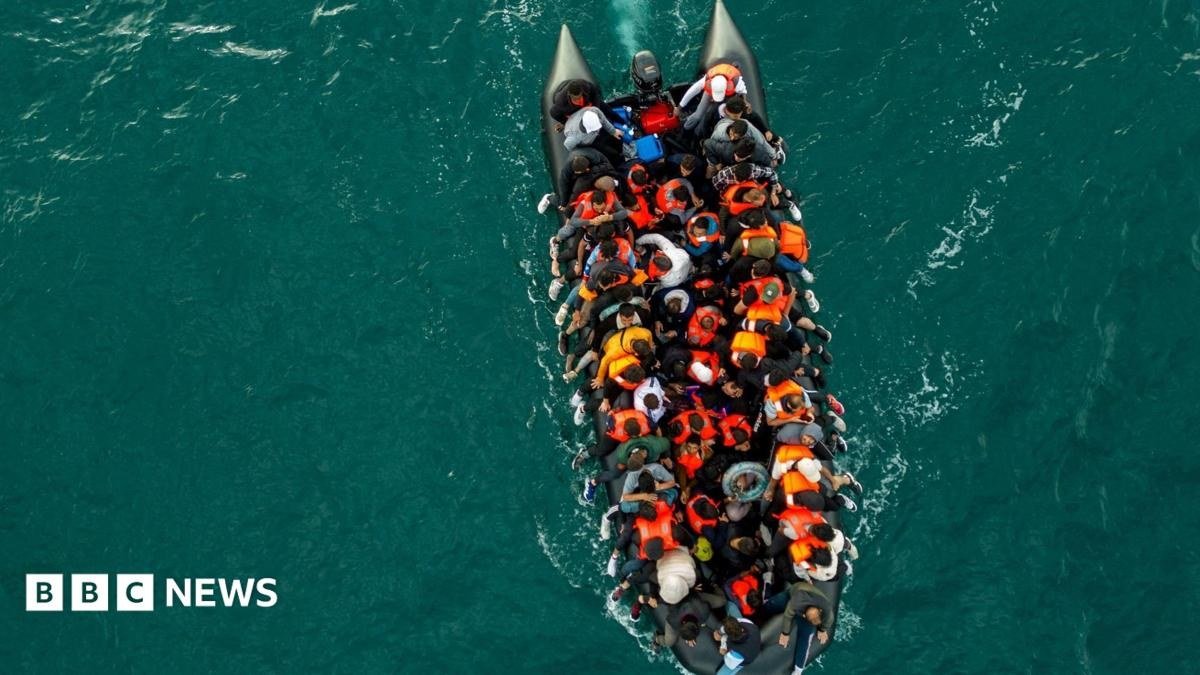
Five European Union member states have announced plans to establish a migrant deportation centre in Rwanda, scheduled to become operational in 2027. The agreement involves Germany, Denmark, Austria, Greece, and the Netherlands, following recent EU regulatory reforms that permit the creation of return hubs outside the bloc's borders.
According to statements from the Danish and Dutch governments, the proposed hub will accept individuals staying illegally in the participating countries who have received final deportation orders after exhausting all legal avenues to remain. The Dutch government specified that the arrangement serves as an alternative when deportees cannot be returned directly to their countries of origin. Once transferred to Rwanda, individuals will have the option to integrate into Rwandan society or return to their home countries.
Scope and Operational Details
Diplomatic sources reported that the scheme is expected to launch initially as a pilot program accommodating roughly 100 people, with each of the five participating nations sending approximately 20 migrants. The Dutch government stated that the initial phase will focus strictly on single men, with the Netherlands prioritizing individuals originating from regions near Rwanda. Unaccompanied children will be excluded from the program.
Those who remain in Rwanda will receive residence rights, access to the labor market, healthcare, education, and the local legal system. Rwandan Interior Minister Vincent Biruta affirmed his country's commitment to providing a safe, legal, and dignified framework for migrants while addressing economic imbalances that drive irregular migration. Additionally, the United Nations' International Organization for Migration (IOM) indicated it is in discussions with several EU nations regarding potential supporting roles for return hubs.
Political Reactions and Legal Concerns
During a joint press conference in Vienna, Austrian Chancellor Christian Stocker stated that the initiative aims to relieve pressure on European asylum systems and disrupt human trafficking routes across the Mediterranean. The five governments maintain that the plan aligns with EU and international law. Meanwhile, a spokesperson for the UK government stated Downing Street will monitor the developments with interest, though it has not formally joined the initiative.
The proposal differs from a former British agreement—scrapped in 2024 by the incoming Labour government after extensive legal challenges—which aimed to send asylum seekers to Rwanda for claims processing rather than post-deportation management.
The plan has drawn opposition from international critics. Spanish Prime Minister Pedro Sánchez publicly criticized the measure, stating it lacks humanity and does not provide a viable solution. Human Rights Watch voiced strong concerns regarding Rwanda's domestic human rights record, warning that funding such programs could aggravate abuses. The EU Agency for Fundamental Rights stressed that any host nation must respect core human rights and prevent individuals from being sent to locations where they face serious risks of persecution.
Broader Context
The announcement comes amid broader political pressure across European nations to implement stricter immigration controls. Data from the European Border and Coast Guard Agency indicates that nearly 110,000 irregular border crossings into the EU were recorded in the first 10 months of 2026, marking a 29% decline compared to the previous year, despite localized increases such as arrivals along the Western African route to the Canary Islands.
0 YORUMLAR
Bu KONUYA henüz yorum yapılmamış. İlk yorumu sen yaz...