
Australia Proposes Superannuation Rule Changes to Unlock $90 Billion for Emerging Assets
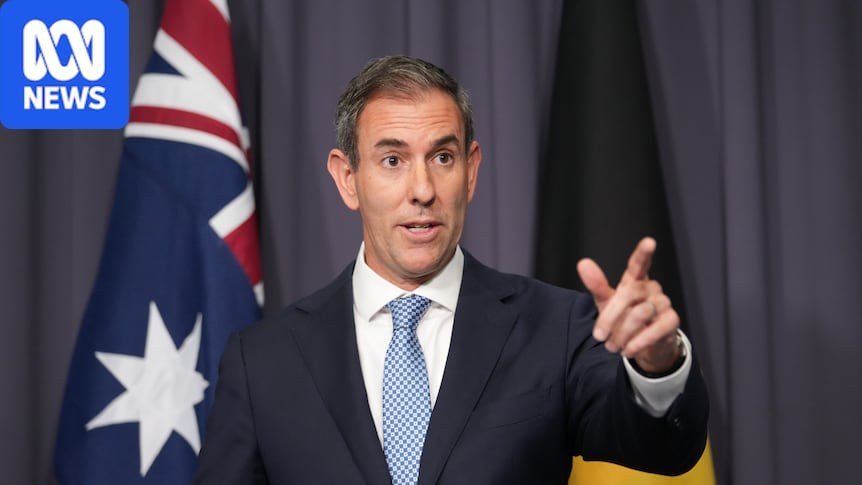
Australian Treasurer Jim Chalmers is set to announce proposed changes to superannuation investment regulations, allowing funds to allocate up to 5 per cent of their portfolios to longer-term, riskier investments such as housing projects, renewable energy, and venture capital. The proposed reform aims to adjust performance benchmarks to encourage investment in assets with low or uncertain immediate returns but strong long-term growth potential.
Under the proposed overhaul of the superannuation performance test—originally introduced by former treasurer Josh Frydenberg—funds will be permitted to place up to 5 per cent of their funds into a new "emerging assets" category. Unlike existing benchmarks that evaluate performance relative to annual stock market averages, the benchmark for emerging assets will be set to inflation plus an additional return premium, established following advice from the independent Australian Government Actuary.
Voluntary Framework and Member Interests
The proposal does not mandate funds to invest in housing, energy, venture capital, or any specific asset class, nor does it require funds to utilize the new 5 per cent allocation. Superannuation trustees will maintain their legal obligation to prioritize their members' best interests. Additionally, the rules do not mandate that investments in the emerging assets category be located within Australia.
According to Chalmers, the reforms have the potential to release up to $90 billion for emerging assets. He noted that consultation revealed a broad consensus on removing unintended barriers to long-term investment opportunities that differ from traditional benchmarks. In a secondary measure, the government also plans to expand the performance test to cover a wider array of products, including those managed by third parties.
Industry and Political Reaction
The proposed changes address longstanding arguments from several industry super funds, which claimed that year-by-year market benchmarks hindered investments with irregular return profiles. The Association of Superannuation Funds of Australia (ASFA) welcomed the proposal, though some funds had advocated for the complete removal of caps on emerging assets. Conversely, AustralianSuper stated in a Treasury submission that it did not consider the existing performance test a barrier to investing in housing, energy, or venture capital.
Political opposition has emerged from the Coalition and One Nation. Shadow Assistant Treasurer Kevin Hogan criticized the plan prior to the announcement, arguing that the government was treating superannuation accounts as a source of funds for preferred projects.
Background of the Performance Test
The performance test was originally established following a Productivity Commission inquiry into underperforming superannuation products. It evaluates a fund's fees and 10-year returns against comparable market portfolios, such as the S&P/ASX300 for Australian equities.
A Treasury consultation paper published earlier this year highlighted that the test successfully reduced persistent underperformance, with the number of members in underperforming products dropping from approximately 1 million in 2021 to 8,500 in 2025. However, Treasury acknowledged concerns from stakeholders that the strict benchmarking led some funds to closely mirror standard indices rather than pursuing higher long-term returns.
0 YORUMLAR
Bu KONUYA henüz yorum yapılmamış. İlk yorumu sen yaz...