
Five EU Nations Plan Offshore Migration Return Hub in Rwanda
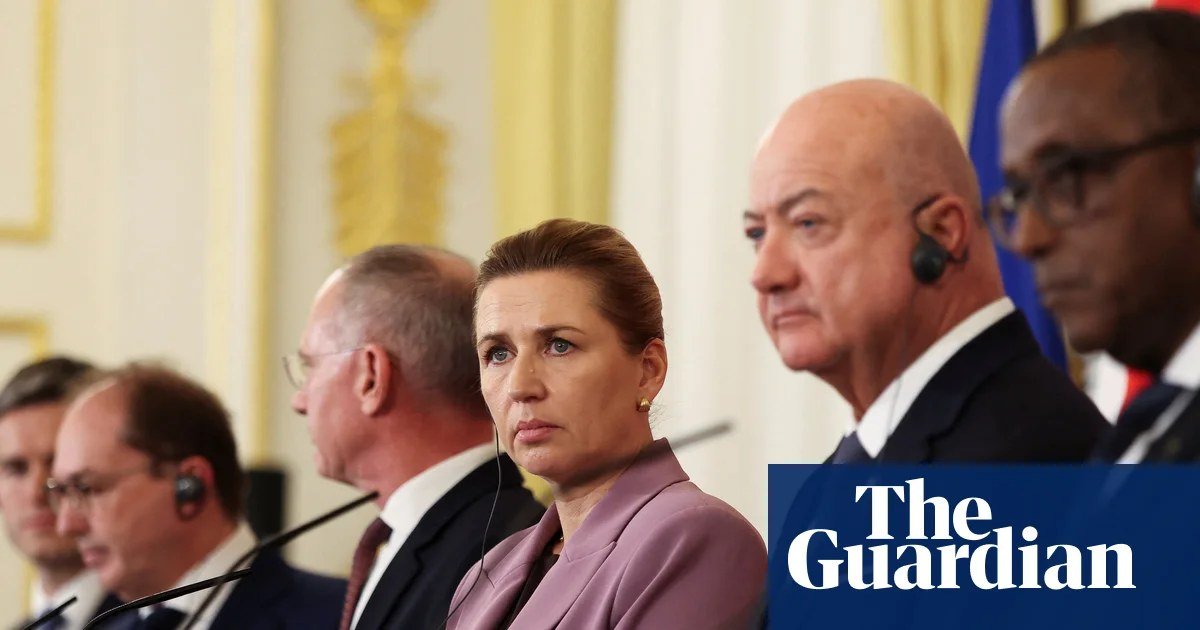
Five European Union member states have announced plans to establish an offshore centre in Rwanda for individuals who have no legal right to remain in Europe. The coalition—comprising Germany, Austria, the Netherlands, Denmark, and Greece—intends to begin concrete negotiations with Rwandan officials to implement a pilot initiative aimed at addressing irregular migration.
The proposed arrangement marks the first attempt to utilize newly agreed EU returns legislation. This law permits the transfer of individuals to a third country after they have exhausted all avenues of appeal against their removal from Europe. Participating governments stated that the initiative is intended to curb illegal migration, dismantle human smuggling operations, and ease domestic burdens, while maintaining protections for the European asylum system.
Scope and Operational Details
Officials aim to launch the pilot program early next year by sending 100 people to test the operational model. The scheme targets adults whose asylum applications have been rejected or other individuals lacking legal authorization to reside in the EU. Unlike prior initiatives, such as the former British Conservative government's Rwanda scheme or Italy's agreement with Albania, the EU plan will not apply to individuals with pending asylum claims.
Diplomatic sources indicate that migrants will reside in an open reception facility in Rwanda for a few months. During this period, individuals may choose whether to integrate into the East African country or return to their native nations. The facility is designed for continuous movement rather than long-term residence. Diplomatic figures also confirmed that the project will not utilize Kigali facilities previously funded by the United Kingdom.
Political Support and Opposing Views
Key officials from the participating nations welcomed the announcement. Danish Immigration Minister Morten Bødskov described the move as a major breakthrough, while German Interior Minister Alexander Dobrindt noted that return hubs provide a viable approach for individuals whose home countries do not cooperate in repatriation efforts. In the UK, politician Andy Burnham stated that while direct talks with European governments had not taken place, the UK would monitor the developments closely.
The plan faces opposition and expected legal challenges. Spain's Prime Minister Pedro Sanchez publicly criticized the decision, stating that offshore processing lacks humanity and a viable future. French Green MEP Mélissa Camara condemned the measure as a moral failure that risks deporting individuals thousands of kilometers away without rights guarantees. Meanwhile, Chiara Catelli of the advocacy group Picum criticized the relocation of migrants to unfamiliar countries without support networks.
Legal Scrutiny and Human Rights Considerations
Critics have pointed to human rights concerns regarding Rwanda, citing a 2024 US State Department report detailing abuses by state forces and officials, alongside issues related to forced labor and freedom of expression. Officials involved in the initiative contend that the scheme complies with human rights law, though they anticipate legal disputes.
Alain Berset, Secretary General of the Council of Europe, noted that all member states remain bound by the European Convention on Human Rights. Berset emphasized that while nations have the right to define their migration policies, specific proposals must be evaluated for compliance with human rights frameworks as details emerge.
0 YORUMLAR
Bu KONUYA henüz yorum yapılmamış. İlk yorumu sen yaz...