
Pro-Government Forces Redeploy to Protect Aden Amid Escalating Yemeni Conflict
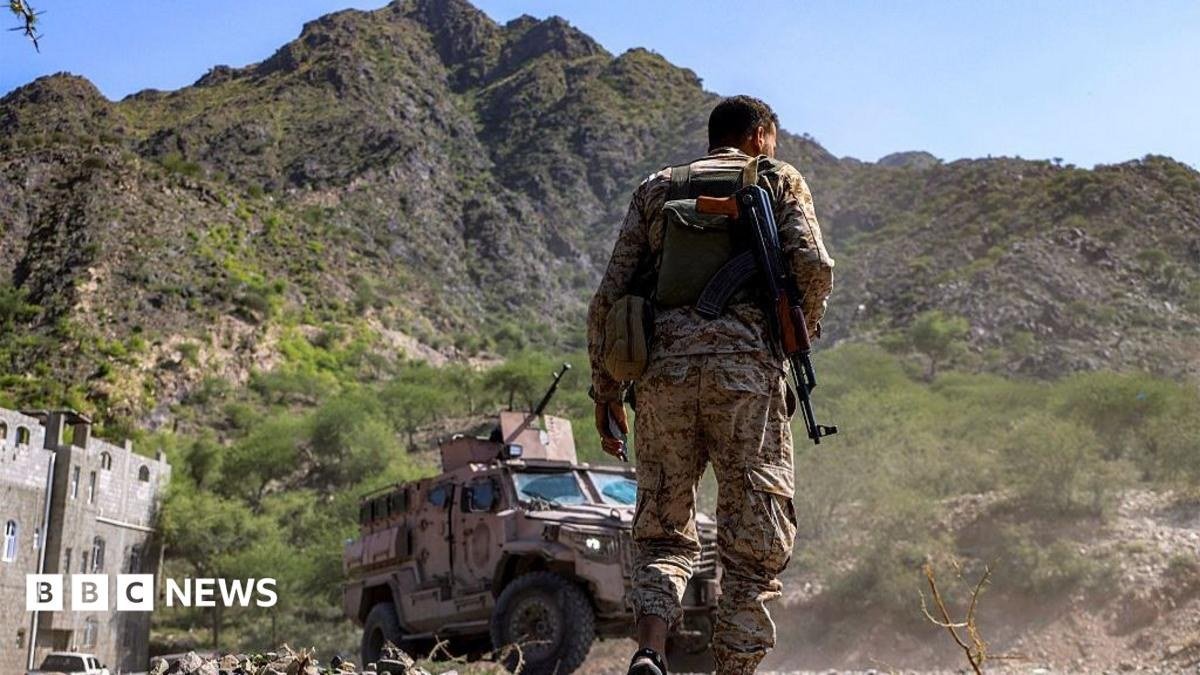
Yemeni pro-government troops backed by Saudi Arabia have begun withdrawing from positions near the strategic Bab al-Mandab Strait to reinforce defenses around the interim capital of Aden and adjacent regions. The Southern Armed Forces confirmed the redeployment from areas such as Dhubab Airport and the surrounding territory, identifying the protection of Aden as their main priority in response to rising security threats.
The retreat concludes a multi-week campaign aimed at securing the vital maritime corridor. Houthi-aligned media outlets reported that the movement has assumed control over the vacated locations. Meanwhile, Saudi Arabian authorities have not issued an official comment regarding the military movement.
Strategic Shifts and Regional Impact
Control of the area around the southern entrance to the Red Sea has fluctuated in recent months. In September, Iran-backed Houthi fighters launched an offensive that seized key ground, including the port city of Mokha and Perim Island. Although pro-government forces stated in early October that they had secured the strait, the decision to pull back was made to address escalating pressure on Aden.
The Houthis previously claimed that their presence near the strait posed no threat to international commercial traffic, though they vowed to target Saudi vessels. Military actions in the Red Sea have had broader economic ramifications, contributing to higher global oil prices as Saudi Arabia used the shipping route for oil exports while the Strait of Hormuz remained effectively shut due to conflict involving Iran, the United States, and Israel.
Humanitarian Crisis and Escalating Violence
Fighting between the opposing factions has intensified significantly since August. Recent Houthi strikes on Aden included an October 15 attack on the presidential palace that left five people dead and 16 wounded. In response, Saudi Arabia launched widespread air strikes, while Houthi forces targeted Saudi infrastructure and cities with missiles and drones.
The recent escalation has exacerbated the country's humanitarian crisis. United Nations Human Rights spokesperson Ravina Shamdasani called on all sides to safeguard civilians and public infrastructure, noting that women and children account for more than 60 percent of documented civilian casualties since August. United Nations estimates indicate that the renewed hostilities have displaced nearly 330,000 people and resulted in hundreds of deaths.
Decade of Unrest
Yemen's civil conflict began in 2014 when Houthi forces ousted the internationally recognized government from the capital, Sanaa. The war expanded in 2015 following the military intervention of a Saudi-led coalition. An informal four-year truce crumbled in July after the Houthis declared a maritime embargo against Saudi Arabia, citing retaliatory motives for a Saudi blockade and an air strike on the Sanaa airport.
0 YORUMLAR
Bu KONUYA henüz yorum yapılmamış. İlk yorumu sen yaz...