
US Aid Reductions Place African Healthcare Systems Under Severe Strain, Report Warns
A new report from the Accra Reset initiative warns that reductions in United States aid programs have placed healthcare systems across Africa and the Global South under growing strain. The publication, titled A Sovereign Future For Health, argues that recent funding shifts, the COVID-19 pandemic, and rising global living costs have created an urgent need for structural healthcare reform and greater self-reliance in the region.
The Accra Reset, a global health initiative led by former Ghanaian President John Dramani Mahama, advocates for African nations to take greater ownership of their health development instead of relying heavily on Western donors and international institutions. According to figures highlighted in the report, Africa accounts for approximately 25% of the global disease burden while manufacturing less than 1% of its vaccines.
Impact of Funding Cuts Across Africa
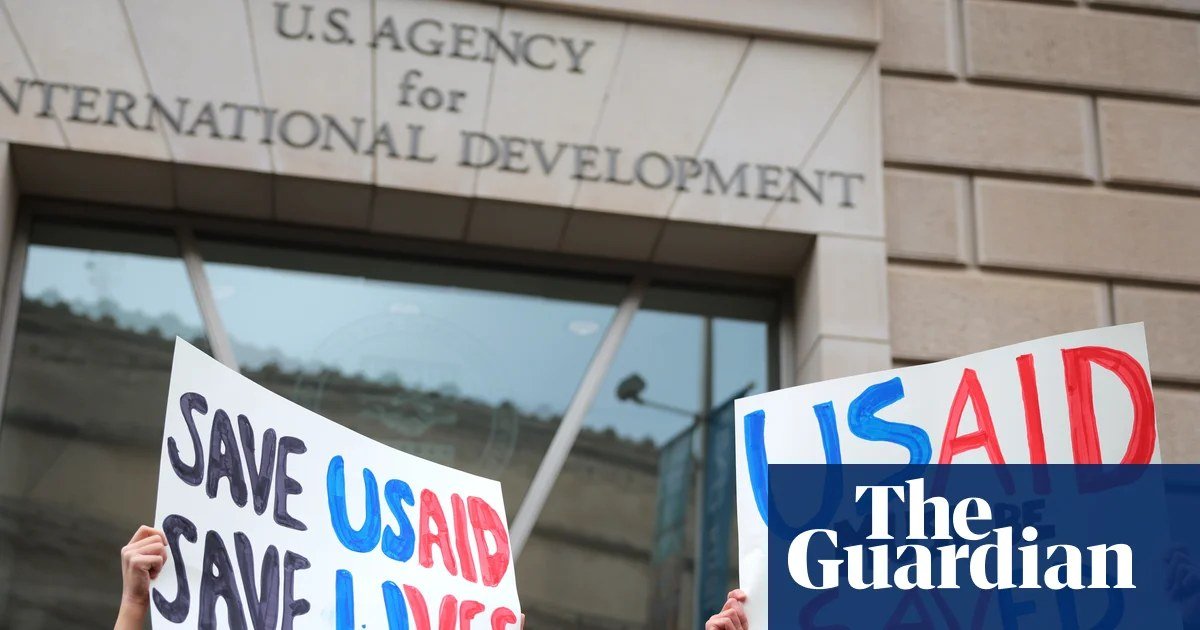
The report details how global health funding shifts forced several nations to rapidly restructure their budgets. Following reductions to the US Agency for International Development (USAID), Nigeria had to absorb 28,000 health workers formerly employed by the agency, costing the country $200 million. In Ghana, Mahama stated at the World Health Assembly in May that the termination of USAID programs resulted in a $78 million loss, impacting maternal healthcare, malaria treatment, nutrition, and HIV/AIDS services.
The report highlights that external health financing for Africa declined by nearly 70% between 2021 and 2025. Additionally, the withdrawal of funding under the US President's Emergency Plan for AIDS Relief (PEPFAR) in South Africa—which previously supplied over $400 million annually—led to clinic closures, leaving an estimated 1.4 million people living with HIV facing treatment uncertainty. Research shared at the 26th International AIDS Conference in Brazil described these disruptions as severe and devastating worldwide.
Calls for Sustainable Reform and US Public Opinion
Mahama emphasized that recent economic pressures, rising national debt, and declining aid demonstrate that donor dependency is no longer sustainable. Naveen Rao, senior vice-president of the health initiative at the Rockefeller Foundation, stated that the Accra Reset is an effort to evolve global health backing toward country-led solutions rather than discouraging donor participation.
The report's release coincides with a Rockefeller Foundation-commissioned survey of more than 2,000 US adults regarding foreign aid. The poll found that 75% of Americans, including 52% of Donald Trump supporters, favor restoring disease prevention aid to contain threats like the Ebola virus. Furthermore, 65% supported international cooperation even if it requires national compromises, and 64% agreed that Americans hold a shared responsibility toward people in other nations.
0 YORUMLAR
Bu KONUYA henüz yorum yapılmamış. İlk yorumu sen yaz...