
UN Court to Deliver Historic Verdict in Myanmar Genocide Case
The International Court of Justice (ICJ) is set to read out its verdict on Thursday in the landmark genocide case filed against Myanmar by The Gambia. The legal proceedings, which began seven years ago, mark the first time an international court could find a state guilty of committing genocide.
While individuals have previously been convicted of genocide in tribunals covering conflicts in Rwanda and the former Yugoslavia, no sovereign country has ever been found guilty of the crime since the 1948 Genocide Convention was established following the Holocaust.
Origins of the Legal Battle
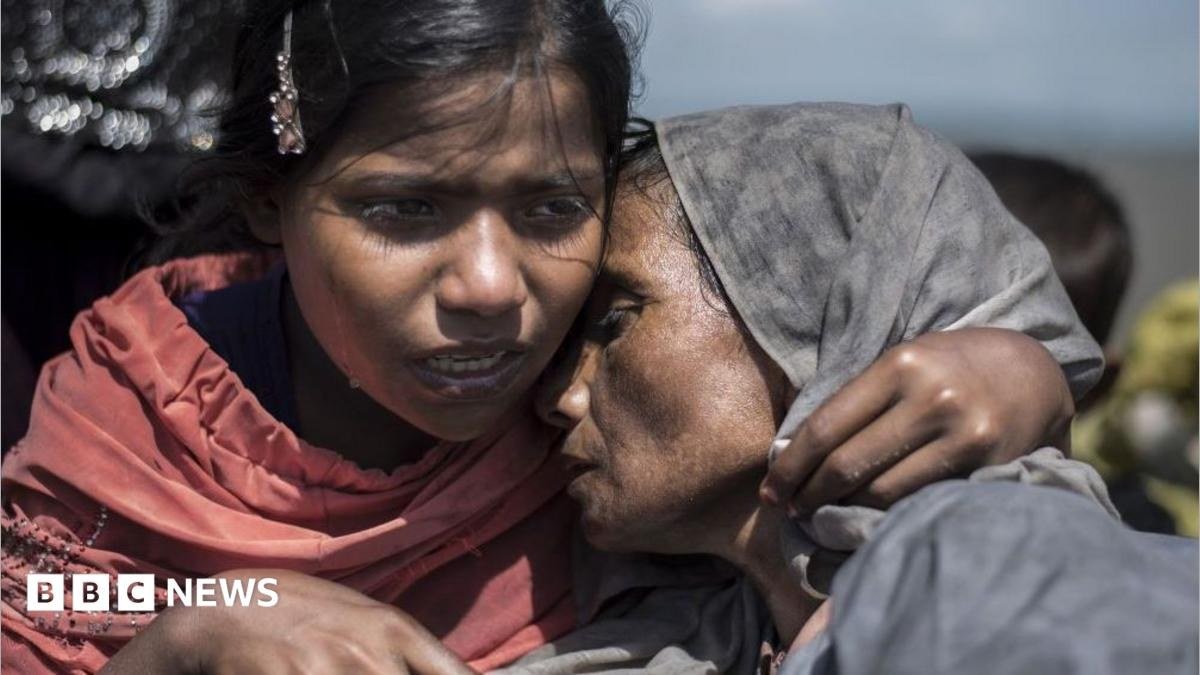
The case stems from the military operations launched in Rakhine State in August and September 2017, which resulted in the mass expulsion of the Rohingya population to neighbouring Bangladesh. Human rights organizations and a United Nations fact-finding mission extensively documented widespread killings, torture, and mass rape committed by Burmese forces, along with the destruction of Rohingya villages.
In 2018, a UN report concluded that the military's actions were grossly disproportionate to security threats posed by Rohingya militants and recommended investigating top military leaders for genocide and crimes against humanity. Myanmar denied accusations of genocide or ethnic cleansing, characterising the events as clearance operations against terrorists.
Because Myanmar was not a state party to the International Criminal Court, direct prosecution of individual officials was unavailable there. In November 2019, The Gambia, backed by the Organisation of Islamic Co-operation, filed a case at the ICJ alleging that Myanmar as a state violated the Genocide Convention. Despite Myanmar's objections to The Gambia's legal standing, the ICJ ruled the suit admissible.
High Legal Threshold for Genocidal Intent
Proving state genocide requires demonstrating genocidal intent, which ICJ judges strictly evaluate. In past cases, such as Bosnia and Herzegovina's 1993 suit against Serbia, the court determined that while specific massacres constituted genocide, there was insufficient proof of direct state intent by Serbia.
Myanmar's legal representatives and former civilian leader Aung San Suu Kyi, who defended the nation at The Hague prior to her removal in a 2021 military coup, argued that the conflict was mischaracterized and that military operations did not prove genocidal intent. Following the coup, a new legal team appointed by military ruler Min Aung Hlaing took over the defence.
Lawyers representing The Gambia contend that systemic discrimination, including the 1982 citizenship law and long-standing restrictions on education, healthcare, and movement, clearly demonstrate the state's genocidal intent. ICJ verdicts are final and carry no right of appeal.
0 YORUMLAR
Bu KONUYA henüz yorum yapılmamış. İlk yorumu sen yaz...