
St Kitts and Nevis to Phase Out Citizenship-by-Investment Program Following EU Pressure
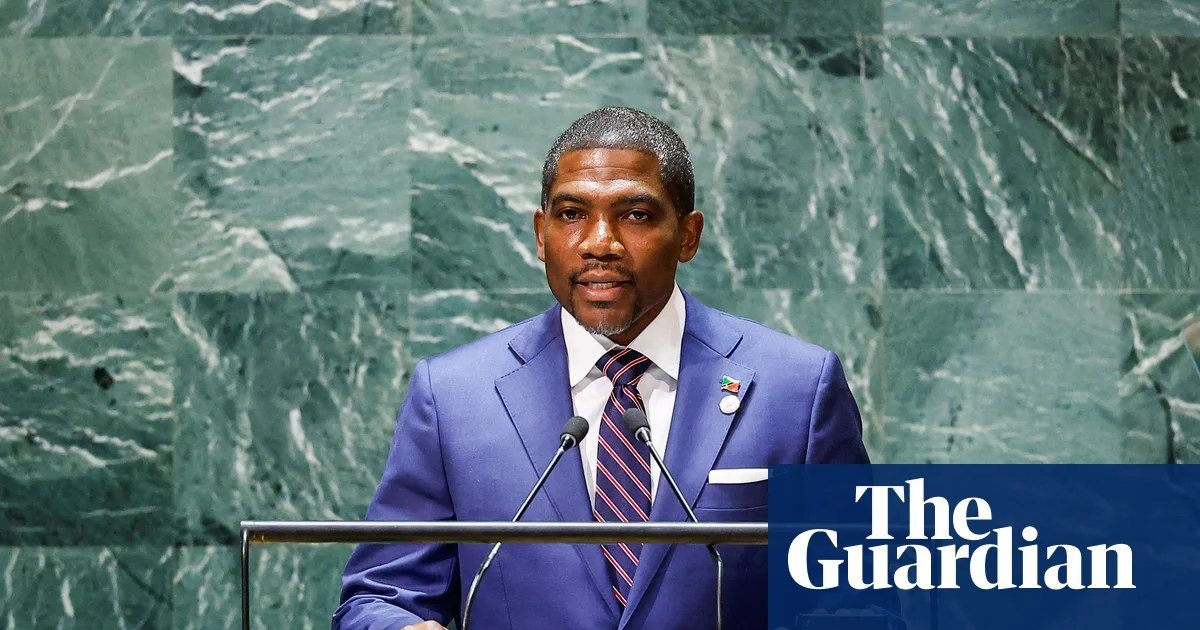
St Kitts and Nevis has announced plans to wind down its long-standing citizenship-by-investment (CBI) program following warnings from the European Union regarding the potential loss of visa-free travel access. Prime Minister Terrance Drew confirmed the decision to phase out the scheme, which has allowed wealthy foreign investors to acquire citizenship and passports through contributions to domestic infrastructure and development projects for 42 years.
The move comes after the European Commission dispatched letters in June to five Caribbean nations offering CBI schemes—St Kitts and Nevis, Antigua and Barbuda, Dominica, Grenada, and St Lucia. The EU cautioned that failure to eliminate these programs could result in the revocation of visa-free entry into the 29-country Schengen area. The EU set a phase-out deadline of June 1, 2028.
Government Rationale and International Concerns
Prime Minister Drew attributed the program's downfall to historical mismanagement by prior administrations, citing issues such as price underselling, controversial infrastructure projects, weak escrow safeguards, and unpaid investment funds. He noted that while his government introduced reforms alongside international partners, including the U.S. Treasury, persisting with the program posed unacceptable risks to European visa-free travel and international banking access. Drew highlighted that disruptions to banking services could jeopardize credit card processing for tourists and remittance payments sent by overseas families.
Acknowledging the fiscal risks of over-reliance on the initiative, Drew stated that relying on a single revenue stream for half or more of the budget placed the nation at its mercy. To compensate for lost CBI revenue, the government intends to expand other sectors, including tourism, yachting, digital and creative industries, and clean geothermal energy development, without increasing taxes.
Local Pushback and Regional Responses
Mark Brantley, the premier of the autonomous island of Nevis, expressed opposition to the phase-out, describing the EU's 2028 deadline as unrealistic. Brantley emphasized that CBI proceeds significantly support gross domestic product, public healthcare, education, and water infrastructure, criticizing the EU for demanding the program's end without offering transitional economic aid.
Responses across the Caribbean remain divided. Antigua and Barbuda has indicated a willingness to end its program while seeking a longer transition timeframe. Local media reports indicate that Grenada aims to extend its program until 2032, whereas Dominica and St Lucia have communicated with Brussels without making public commitments to dismantle their programs.
0 YORUMLAR
Bu KONUYA henüz yorum yapılmamış. İlk yorumu sen yaz...