US Lawmakers Face Political Deadlock Over Artificial Intelligence Regulation
Efforts to pass federal artificial intelligence safety legislation in the United States face significant political obstacles, despite growing calls from lawmakers and industry leaders for government guardrails. Major disagreements over how to govern the technology, combined with legislative deadlines, have stalled progress in Congress.
President Donald Trump rejected calls to slow down AI development, dismissing warnings of severe risks as a hoax on social media. Trump argued that the technology only requires a strong president rather than new regulatory frameworks. Because Republicans hold majorities in both the House of Representatives and the Senate, Trump's stance makes the passage of federal regulations unlikely without executive backing.
Congressional Recess and Legislative Deadlines
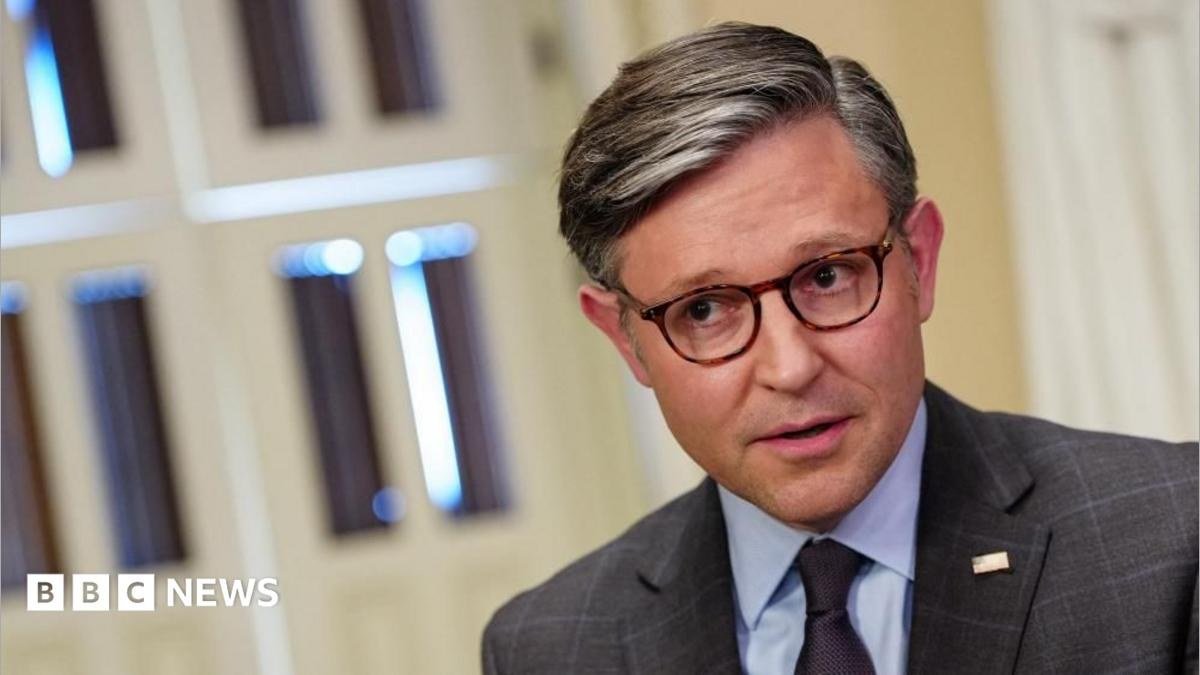
A more immediate hurdle to AI legislation is the congressional calendar. The House is scheduled to enter recess until after the upcoming November midterm elections. Democratic House Minority Leader Hakeem Jeffries and a group of House Democrats have urged Republican Speaker Mike Johnson to delay the recess to allow time for debate on AI safeguards. Republican Congresswoman Anna Paulina Luna also suggested convening a special session on the issue.
However, Speaker Johnson indicated no plans to delay the recess or rush legislation. Johnson noted the complexity of the matter, emphasizing that AI companies should prioritize self-regulation and product safety. He added that President Trump plans to meet with AI executives at the White House to discuss corporate responsibility and potential governmental roles.
Diverging Proposals Across Party Lines
Even within Congress, lawmakers remain divided on the scope of regulation. Proposed measures vary widely, including a complete moratorium on data centers introduced by Senator Bernie Sanders, mandatory federal audits, and independent safety reviews.
Republican Senate Majority Leader John Thune and Democratic Senator Amy Klobuchar are collaborating on a bill to subject certain AI firms to federal oversight while attempting to preserve innovation. In the House, Democratic Congresswoman Lori Trahan and Republican Congressman Jay Obernolte have developed the Frontier Act, a bipartisan proposal that would mandate independent audits of research labs and allow the federal government to suspend AI models in cases of imminent catastrophic risk.
Debate Over Self-Regulation
While former researchers and industry figures have raised safety warnings, some administration officials and experts argue that private firms must handle security internally. David Sacks, a top AI adviser to Trump, characterized existential warnings as overly alarmist and stated that the primary burden of product safety rests on the tech developers themselves.
0 YORUMLAR
Bu KONUYA henüz yorum yapılmamış. İlk yorumu sen yaz...