
Queensland Landholders and Politicians Demand Stricter Renewable Energy Laws
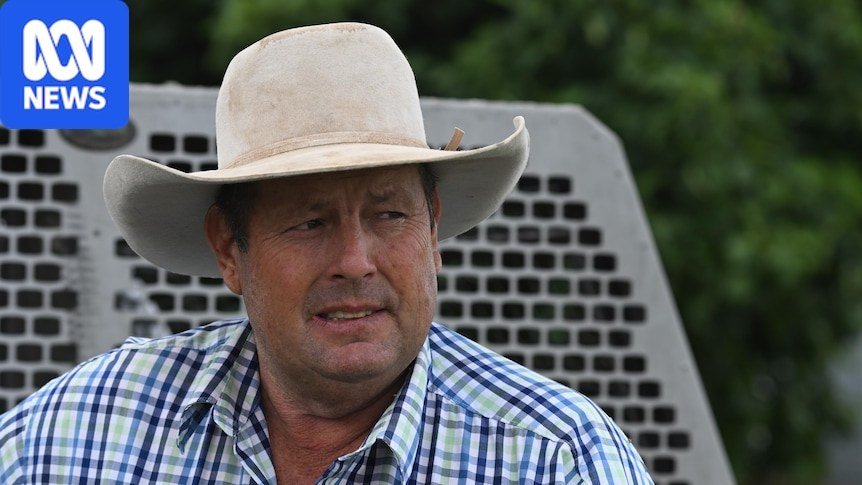
A coalition of rural community groups in Queensland has called for stricter regulations on renewable energy developments, urging state authorities to implement mandatory turbine setbacks and guaranteed up-front decommissioning funds. Regional Voices Queensland (RVQ), an alliance representing roughly 12 regional community action groups, held its first major meeting at a farm near Diamondy, approximately 280 kilometres north-west of Brisbane.
The meeting took place on a property belonging to the Franz family, adjacent to the Wambo Wind Farm. Co-organised by Federal Member for Maranoa David Littleproud, the event brought together more than 70 attendees, including regional landholders, farming industry representatives, and politicians. Participants advocated for reforms to planning framework laws to better safeguard communities affected by wind farm developments.
Key Demands for Mandatory Setbacks and Decommissioning Bonds
RVQ is demanding specific legislative protections, including a mandatory minimum three-kilometre buffer distance between wind turbines and residential homes, as well as mandatory up-front decommissioning bonds from energy developers. Alliance chair Jim Willmott, who is also a board member of Property Rights Australia, described RVQ as a supergroup established after localized community organisations discovered shared challenges regarding renewable energy projects.
Local property owner Glenn Franz, whose land is surrounded by 13 wind turbines within a three-kilometre zone but does not host any directly, expressed concerns regarding visual impact and the long-term financial liabilities of dismantling infrastructure. He stressed the importance of securing decommissioning funds up front rather than relying on deferred payment schemes. The neighbouring Wambo Wind Farm, approved in 2020, is a joint venture between state-owned generator Stanwell and energy infrastructure firm Cubico.
Agricultural Protections and Regulatory Context
Representatives from agricultural group AgForce also attended the gathering. AgForce policy adviser Anna Lethbridge noted that regulatory protections should extend to adjacent landholders to mitigate risks involving potential contamination and impacts on agricultural accreditation. Both AgForce and Mr Littleproud stated that impacted communities are seeking practical safeguards rather than opposing renewable projects entirely.
Queensland regulates wind energy projects through its planning framework and State Code 23. Under updates introduced in 2024, developments are evaluated against broad performance outcomes, including noise limits at surrounding dwellings, rather than fixed distance requirements. While regulations introduced in 2025 require financial security for decommissioning and community benefit agreements prior to application submission, RVQ expressed concern that existing wording remains vague and could leave landholders or taxpayers financially exposed at the end of a project's operational lifespan.
0 YORUMLAR
Bu KONUYA henüz yorum yapılmamış. İlk yorumu sen yaz...