
World Food Programme Cuts Lifesaving Aid to Gaza Amid Severe Funding Shortage
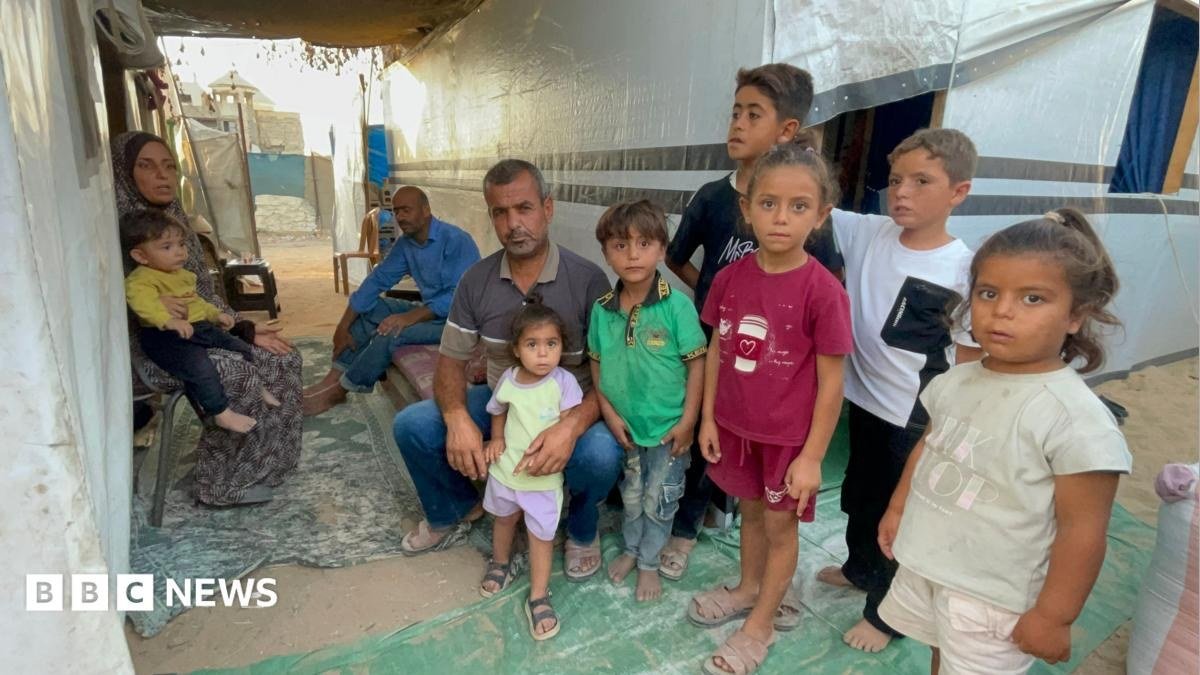
The World Food Programme (WFP) has announced significant reductions to its lifesaving assistance in the Gaza Strip due to a severe lack of funding. The United Nations agency confirmed that the number of individuals receiving aid will decrease by roughly one-third, falling from 1.6 million to 1.1 million, just as winter approaches and humanitarian conditions remain dire.
Impact on Meals and Food Rations
Under the new reductions, community kitchens supported by the WFP will reduce daily hot meal distributions from 250,000 to 150,000. Families located in hard-to-reach areas, such as those near the Yellow Line demarcating Israel's military control, will see their meal distributions reduced from daily to every other day. Additionally, the number of Gaza residents receiving monthly ration boxes and flour bags will drop from 1.1 million to 600,000. These cuts follow reductions made in July to cash transfers affecting approximately 500,000 people.
Shaun Hughes, the WFP's Palestine director, clarified that the assistance cuts are entirely financial and not due to reduced access or declining needs on the ground. The WFP received less than half of the funding for its Palestinian operations in 2026 compared to previous years and urgently requires $450 million (£338 million) to maintain critical operations over the next six months.
Worsening Humanitarian Conditions
Nearly all of Gaza's 2.1 million residents remain displaced, with over 80% unemployed and two-thirds relying on food aid to survive. While local food markets are stocked, strict control of entry points by Israel and widespread unemployment leave few residents able to afford commercial goods. Cooking gas is prohibited as a dual-use item, forcing families to buy expensive wood or collect plastic and cardboard for fuel.
Humanitarian experts warn that acute food insecurity persists across the territory. In July, the Integrated Phase Classification (IPC) estimated that two-thirds of the population—around 1.4 million people—would face crisis or worse levels of acute food insecurity between July and December 2026. Despite the reductions, the WFP plans to maintain nutritional support for 300,000 women and children, health food snacks for 200,000 children, and support for bakeries covering one-third of Gaza's bread needs. Meanwhile, in the occupied West Bank, the agency continues to assist 200,000 Palestinians after halving its recipient list in September due to rising food insecurity linked to settler violence and displacement.
0 YORUMLAR
Bu KONUYA henüz yorum yapılmamış. İlk yorumu sen yaz...