
Nigeria Reports First Ebola Case in Capital as Regional Outbreak Expands
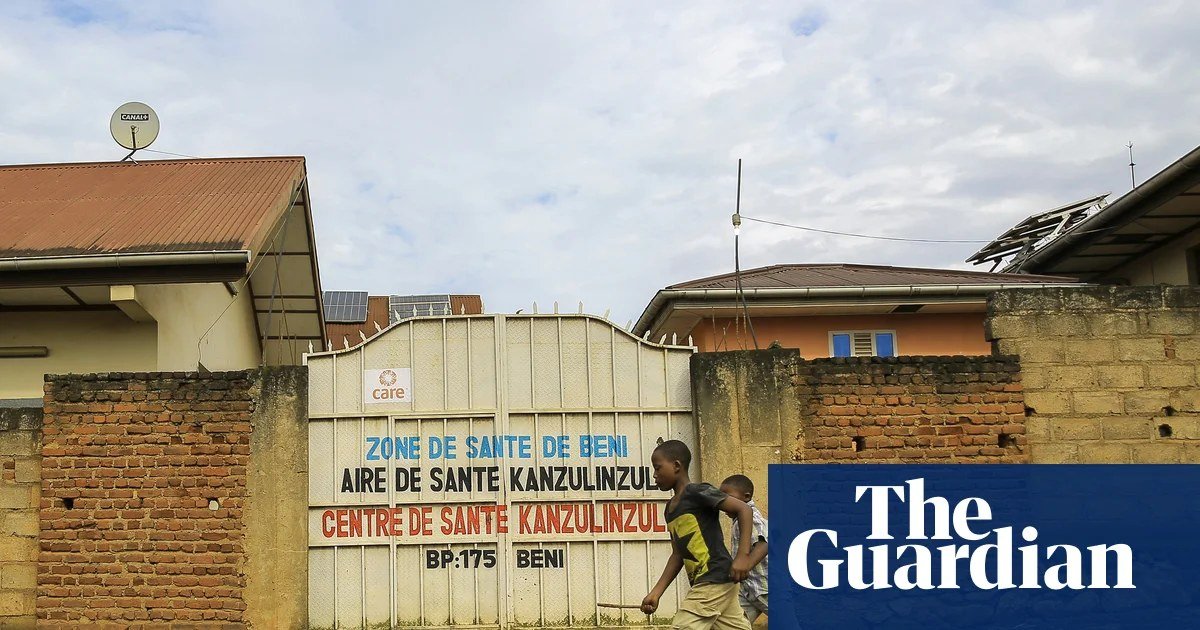
Nigeria's health ministry has confirmed an Ebola case in the capital city of Abuja, marking the virus's arrival in Africa's most populous nation amidst a widening regional outbreak. The patient, a woman who had recently traveled from Uganda, began exhibiting symptoms on October 7 and was admitted to an Abuja hospital four days later, where testing confirmed the virus.
Contact Tracing and Origin Investigations
Health Minister Muhammad Pate announced that public health authorities have initiated contact tracing for 44 individuals who came into contact with the patient. Pate stated that officials are taking all necessary measures to contain the single case and monitor potential exposures. While Nigerian officials have not formally disclosed the patient's nationality, Uganda's ministry of health stated the woman is a Nigerian national who had been on a business trip to the eastern region of the Democratic Republic of the Congo and merely transited through Uganda.
Ugandan health authorities emphasized that transit through their country does not indicate the infection occurred there, adding that the precise location of exposure is still under investigation. The ministry reaffirmed that Uganda currently has no active, confirmed Ebola cases within its borders.
Surveillance and Regional Health Threats
The detection in Nigeria follows recent confirmations in neighboring regions, including Kenya, which reported its first case earlier this month and has since recorded nine infections. Prior to this, the Nigeria Centre for Disease Control had heightened national surveillance, early detection, contact tracing, and health worker protection measures following the reports from Kenya. Nigeria previously established an Ebola taskforce in June in response to the initial outbreak in Congo in mid-May.
Dr. Jean Kaseya, Director General of the Africa Centres for Disease Control, highlighted the gravity of the situation, describing the Bundibugyo Ebola strain outbreak as an extremely serious threat with a fatality rate approaching 50 percent. Kaseya noted that this specific outbreak has become the most geographically widespread in history, crossing multiple regions on the continent. According to health authorities, the rare Bundibugyo strain has infected over 9,500 people and resulted in more than 4,600 deaths. The World Health Organization has warned that this rapidly spreading outbreak risks surpassing the 2014–2016 West African Ebola epidemic, which claimed more than 11,000 lives.
0 YORUMLAR
Bu KONUYA henüz yorum yapılmamış. İlk yorumu sen yaz...