
Kenya Confirms First Ebola Cluster as US Health Cuts and Quarantine Center Face Backlash
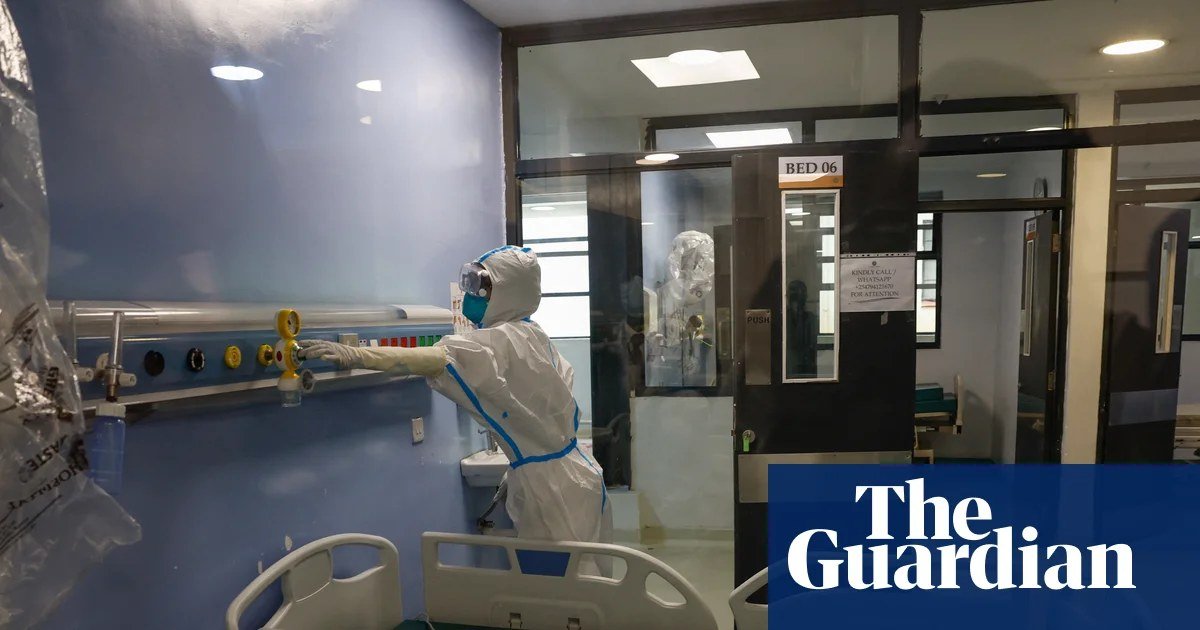
Health officials in Kenya have confirmed the country's first cluster of Ebola infections, with eight people testing positive for the Bundibugyo strain of the virus. The cases emerge amid growing public criticism and legal challenges over a US-led quarantine facility in Kenya, alongside broader concerns regarding recent cuts to American international health funding.
The outbreak in Kenya began after a Kenyan national became ill in the Democratic Republic of the Congo (DRC) before traveling by road to Uganda and flying to Nairobi on October 3. The individual died in a Nairobi hospital two days later. Since then, seven close contacts have tested positive, bringing the national total to eight, according to Patrick Amoth, Kenya's director-general for health. In response, Kenya's Ministry of Health has quarantined approximately 108 people in Nairobi, pointing to the success of its contact tracing efforts.
Controversy Over US Quarantine Facility
The emergence of cases has intensified scrutiny surrounding a controversial quarantine facility constructed by the United States at Kenya's Laikipia airbase. Designed to hold Americans returning from the DRC, the center has drawn strong opposition from local residents, resulting in protests and a court order halting its operations. A final court decision on the matter is scheduled for November.
Allan Maleche, executive director of the Kenya Legal & Ethical Issues Network on HIV and Aids (Kelin), noted that a lack of transparent information regarding the facility's purpose and user base fueled widespread public distrust toward government messaging on Ebola. Health experts in the US have also questioned the necessity of the base. Jennifer Nuzzo, director of the pandemic center at Brown University School of Public Health, raised concerns over whether the facility places an undue burden on Kenya, highlighting that existing treatment units inside the US have historically managed evacuated patients safely.
Impact of Funding Reductions and WHO Withdrawal
The localized outbreak coincides with a broader reduction in US foreign health assistance. Recent policy shifts under the Trump administration involved scaling back the US Agency for International Development (USAID), reducing staff at the Centers for Disease Control and Prevention (CDC), and formally withdrawing from the World Health Organization (WHO) in January. The CDC closed HIV prevention offices in Angola and South Sudan on October 1, with plans to shut operations in Zimbabwe as well.
Public health experts and lawmakers warn that reduced funding weakens global monitoring infrastructure. US Senators Raphael Warnock and Bill Cassidy opposed foreign aid cuts in a joint letter to the Senate Appropriations Committee in June. Warnock stated that dismantling international health programs degrades overall preparedness and undermines the ability to detect disease threats early.
The regional Ebola outbreak has recorded more than 4,300 deaths and over 9,000 cases to date, primarily centered in the DRC. While Uganda was declared Ebola-free in August after reporting 20 cases and two deaths, local authorities in Kenya remain concerned about potential international travel restrictions as contact tracing efforts continue.
0 YORUMLAR
Bu KONUYA henüz yorum yapılmamış. İlk yorumu sen yaz...