
Flávio Bolsonaro Wins First Round of Brazilian Presidential Election
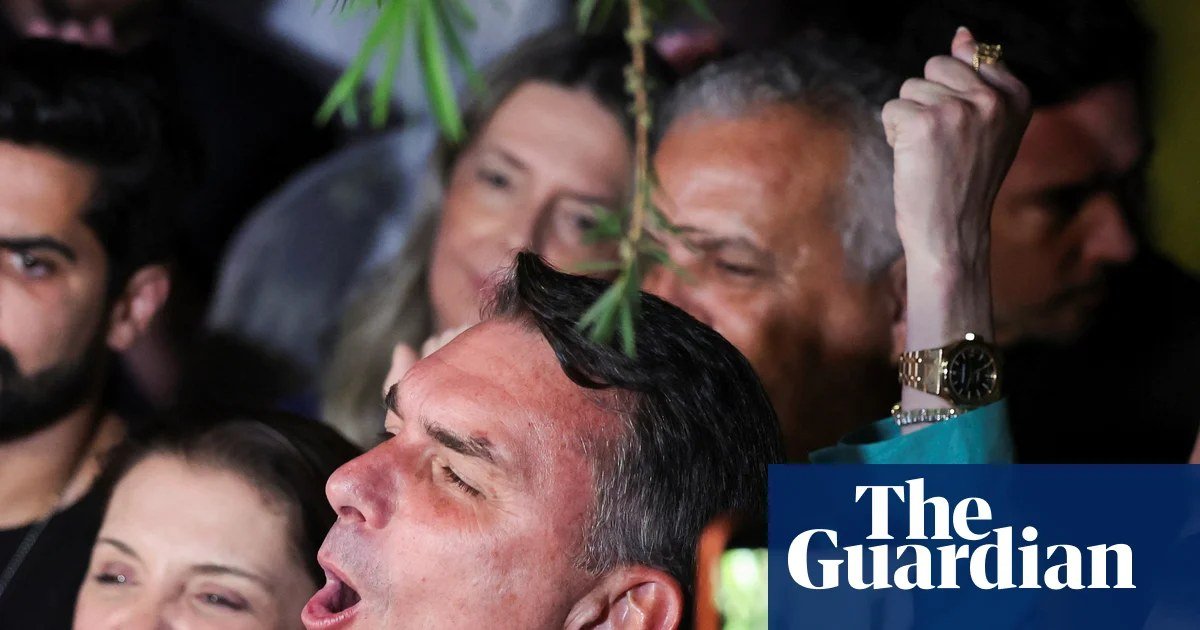
Flávio Bolsonaro has secured a first-round victory in Brazil's presidential election, positioning himself as the frontrunner ahead of the upcoming second-round vote against incumbent President Luiz Inácio Lula da Silva. Analysts point to a combination of religious influence, public security concerns, and strategic missteps by the current administration as key factors behind the political outcome.
Flávio Bolsonaro, the eldest son of former President Jair Bolsonaro, built significant momentum with the backing of Brazil's expanding evangelical community. Evangelical Christians now comprise nearly one-third of the country's population, up from previous decades, and prominent church leaders have actively mobilized voters in support of the conservative movement.
CRIME AND SECURITY AT THE FOREFRONT
Public safety emerged as a primary issue during the campaign. Political commentators noted that conservative proposals offering hardline measures to combat high crime rates resonated with voters concerned about urban violence. Campaign pledges from Flávio Bolsonaro and his allies included tough penalties for criminal organizations and promises to neutralize gang activity.
The focus on security was further highlighted by recent international developments, including the U.S. designation of major Brazilian criminal syndicates, such as the Red Command and the PCC, as foreign terrorist organizations. Hardline security policies inspired by regional approaches were frequently highlighted by conservative candidates throughout the race.
CHALLENGES FOR THE LULA ADMINISTRATION
Political analysts observed that President Lula da Silva's campaign struggled to address immediate voter concerns regarding inflation, personal debt, and public safety. While the president focused on national sovereignty, critical minerals, and foreign policy matters, critics suggested the administration became disconnected from everyday economic grievances.
Although questions were raised regarding Lula's age—the president turns 81 just days after the October 25 runoff—analysts dismissed assertions of cognitive or physical decline. However, commentators pointed to administrative complacency and a failure to address broader public dissatisfaction as factors contributing to the first-round election results.
0 YORUMLAR
Bu KONUYA henüz yorum yapılmamış. İlk yorumu sen yaz...