
Darwin Suicide Prevention Forum Calls for Systemic Reform in Northern Territory Mental Health Services
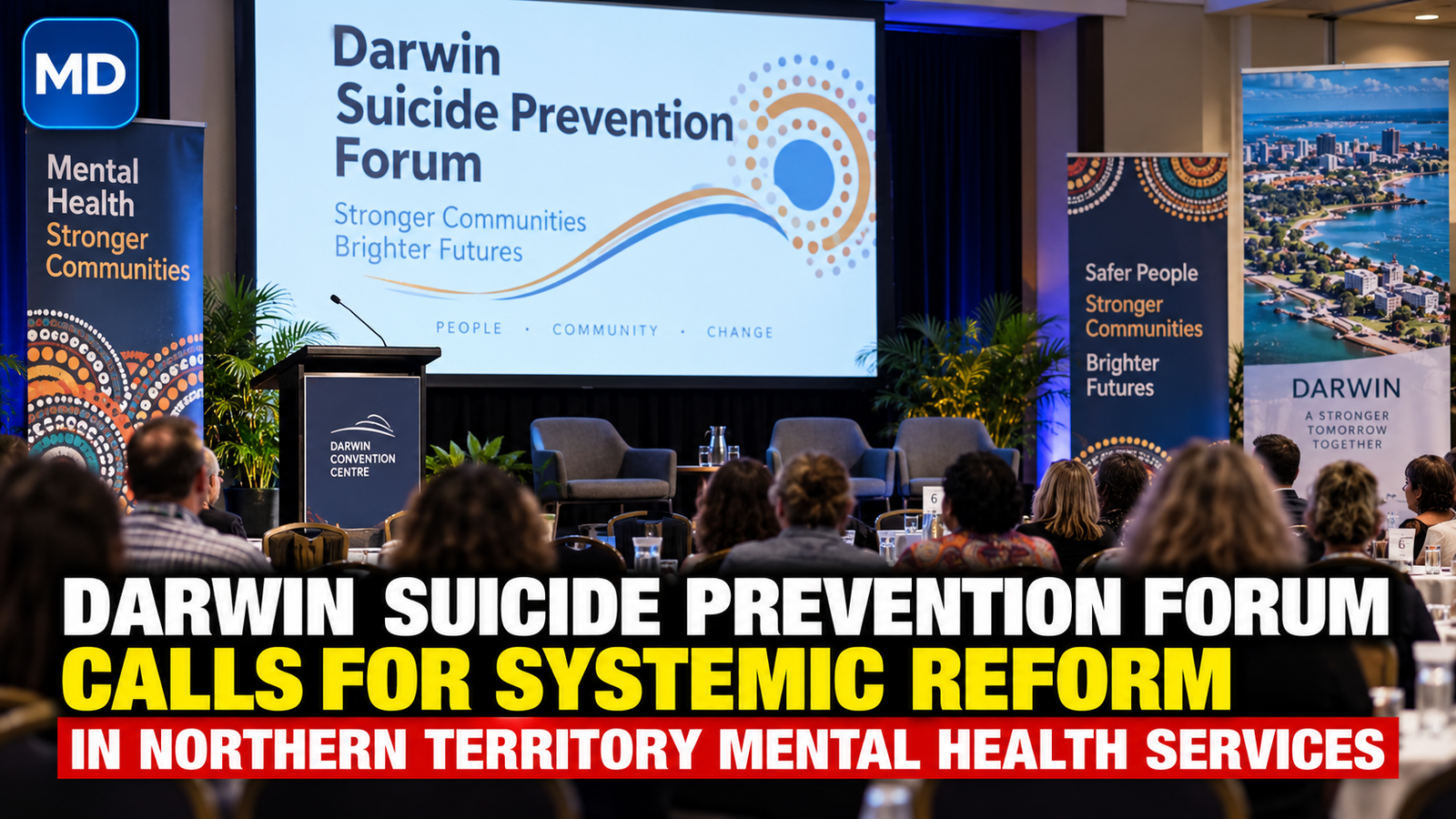
Speakers and advocates at a suicide prevention forum in Darwin have called on health professionals and community members to improve how they listen to families and individuals seeking mental health support. The forum highlighted significant structural challenges within the mental health care system in the Northern Territory, which currently records Australia's highest rates of suicide, acute mental illness, and hospital presentations for self-harm.
Among the approximately 40 presenters was Gertrude Jane-Knight, whose 16-year-old son Felix died by suicide on November 3 last year. Jane-Knight detailed her struggles to secure professional assistance for her son following his first suicide attempt at age 12, describing repeated rejections and unfulfilled appointment requests. She urged healthcare practitioners to pay closer attention to families seeking help for loved ones and to better navigate and communicate available referral pathways.
Remote Care and Service Delivery Challenges
The gathering addressed wider systemic pressure across the Territory, where prevention and early intervention services face high demand. In 2024, a facility assessment found that the youth mental health unit at Royal Darwin Hospital presented serious safety risks to both staff and patients.
Forum co-host Karyn Moyle, founder of the Waterlily Healing Indigenous Corporation and an Eastern Arrernte, Warlpiri, and Djaru woman, noted that remote Aboriginal communities frequently face compounding grief from premature deaths, poverty, and intergenerational trauma. Moyle criticized temporary mental health services for relying on fly-in-fly-out staff, describing some regional efforts as administrative exercises that fail to build trust. She advocated for increased government funding to train and employ permanent mental health staff within remote communities.
Focus on Primary Care Training
The event was organized in part by Lidia Di Lembo, who co-founded the non-profit organization Sabrina's Reach4Life with her husband Michael following the 2017 suicide of their 19-year-old daughter, Sabrina. A 2018 report by former NT Coroner Greg Cavanagh identified major failings by general practitioners and medical staff in the weeks prior to Sabrina's death.
Di Lembo emphasized the need to reform primary care responses, pointing out that general practitioners are often the first point of contact for individuals directed by help lines. She advocated for extended consultation times and enhanced training for GPs to effectively care for patients experiencing suicidal ideation.
0 YORUMLAR
Bu KONUYA henüz yorum yapılmamış. İlk yorumu sen yaz...