
Starving Flying Foxes Cause Severe Damage to Fruit Crops Across New South Wales
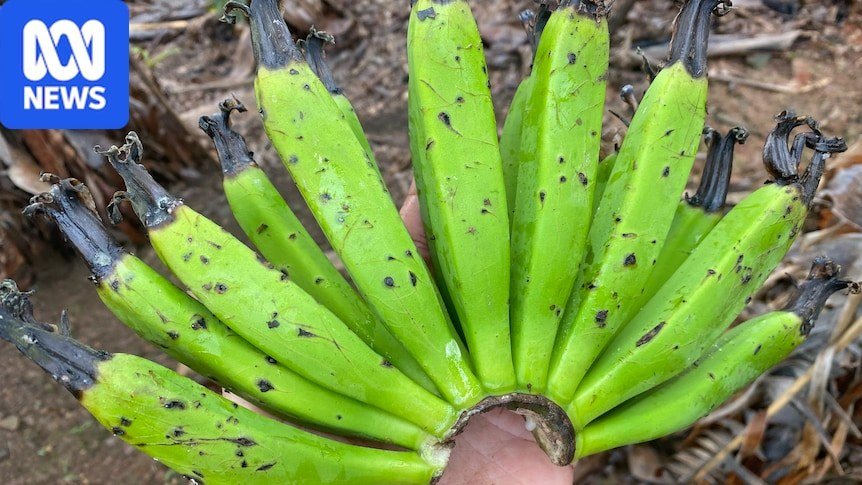
Fruit growers on the New South Wales Mid North Coast and Coffs Coast are experiencing significant crop losses as flying foxes, impacted by a suspected mass starvation event, target regional farms. Driven by a shortage of natural pollen and nectar from flowering trees, the animals have caused extensive damage to banana, raspberry, and blackberry crops. Despite the localized disruption, fresh produce industry representatives report that overall fruit supplies for consumers remain stable.
Banana and Berry Farmers Face Mounting Losses
In Coffs Harbour, banana grower Paul Shoker reported that flying foxes damaged more than 10,000 bananas on his property during October alone. The bats seek nectar from banana flower tips, scratching the fruit bunches in the process and leaving marks that make the produce unfit for commercial sale. At Bonville, ladyfinger banana farmer Mick Gentle observed unprecedented behavior, stating that flying foxes have been entering protective blossom bags and remaining inside the plantation during the day throughout his 36 years of farming.
Berry producers on the Coffs Coast are encountering similar challenges, with flying foxes entering covered tunnels to feed on raspberries and blackberries. Berries Australia Chief Executive Rachel Mackenzie noted that starving bats are dying inside the protective netting, creating health and safety risks for farm workers. Because flying foxes can carry the deadly lyssavirus, growers are generally unable to handle the animals directly.
Industry Calls for State Support Amid Health and Expense Concerns
Berries Australia has called on the NSW state government to provide support for the safe removal of flying foxes, emphasizing that managing the animals should not rely on volunteers or impacted growers. While advice has been issued to install extra netting at tunnel entrances, industry representatives highlight that this adds financial strain to farmers who are already dealing with reduced yields.
A spokesperson for the Department of Climate Change, Energy, the Environment acknowledged the issues facing commercial growers. The department recommended crop protection measures such as full exclusion netting—which also guards against weather damage and birds—alongside fruit bags, lighting systems, and sound deterrents, encouraging farmers to seek tailored advice for their operations.
Potential Impacts on Wine Regions and Overall Fruit Supply
Concerns are also emerging in the NSW Hunter Valley. Lewis Drayton of Ivanhoe Wines stated that while vineyards have not yet been affected this season, flying foxes could arrive by January if natural food sources remain depleted. The local wine sector previously suffered major losses in 2017, when some vineyards lost up to 70 percent of their crop overnight due to fruit consumption and contamination from bat droppings.
Addressing potential consumer impacts, Freshmark Chief Executive Meegan George confirmed that national produce supplies remain steady. With approximately 94 percent of Australia's bananas produced in northern Queensland, overall market availability has not been significantly disrupted, though localized supply challenges may persist.
0 YORUMLAR
Bu KONUYA henüz yorum yapılmamış. İlk yorumu sen yaz...