
Israel Prepares for Pivotal Election as Polls Show Tight Race
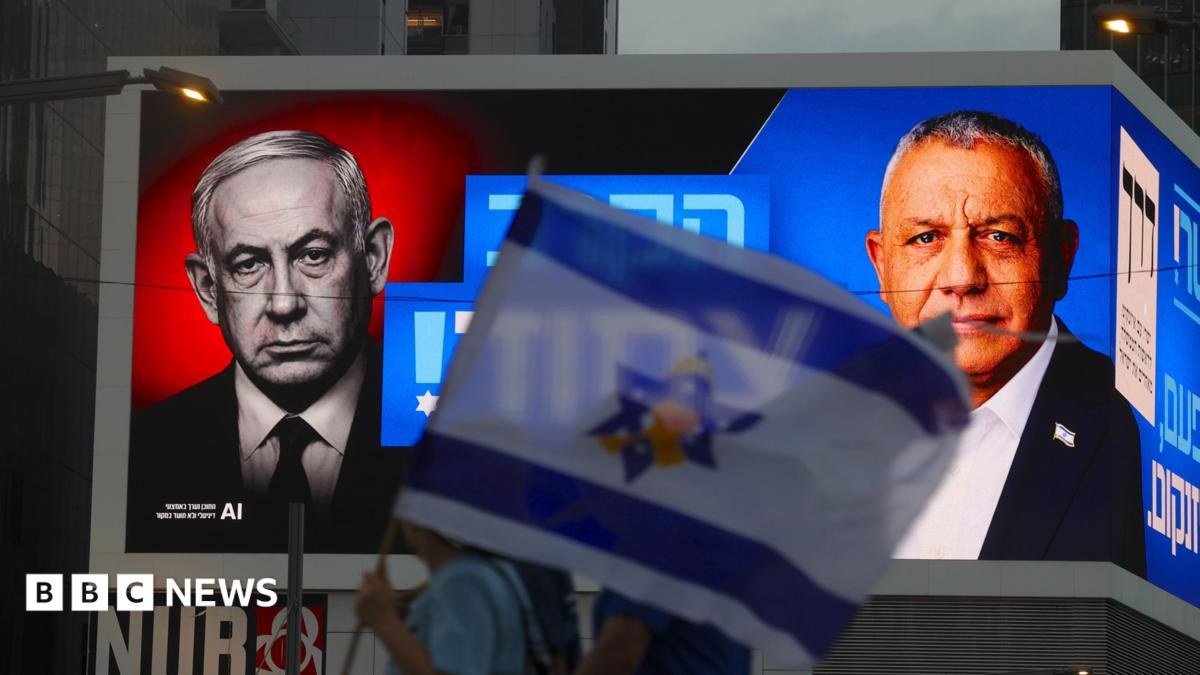
Israel is bracing for a highly competitive general election on Tuesday, marked by deep political divisions following three years of regional conflict. Final pre-election polls show the governing coalition led by Prime Minister Benjamin Netanyahu and the main opposition bloc running nearly neck-and-neck. Around half a million first-time voters are eligible to participate, and an estimated 70,000 Israelis are returning from abroad specifically to cast their ballots.
On Saturday evening, large crowds of opposition supporters gathered in central Tel Aviv to demonstrate against the current administration and demand political change. The demonstration reflects widespread public debate over the nation's future direction, security policies, and governance.
Rising Contenders and Key Campaign Issues
A central figure in the opposition challenge is Gadi Eisenkot, a former military chief of staff leading the centrist Yashar party. Eisenkot, who comes from a working-class Moroccan background and lost his son during the Gaza War, has presented himself as a low-drama candidate focusing on national identity, civil equality, and institutional integrity. His party has frequently topped recent opinion polls alongside Netanyahu's long-ruling Likud party.
Eisenkot and other opposition figures have pledged to establish a formal state commission of inquiry into the October 7, 2023, attack led by Hamas, in which nearly 1,200 people were killed and 251 taken hostage. Surveys indicate that over 70% of Jewish Israelis support such an investigation. Opposition leaders have also committed to enforcing court mandates requiring ultra-Orthodox Jews to enlist in national military service.
Netanyahu's Security-Focused Campaign
Prime Minister Benjamin Netanyahu has centered his campaign on national security, adopting the slogan "No Surrender." Netanyahu argues that his leadership during military operations across Gaza, Lebanon, and Iran has diminished existential threats facing the country. He has criticized his political rivals, suggesting that potential opposition alliances could compromise national security interests.
While Netanyahu retains a dedicated base of supporters who view him as essential to national defense, observers note shifting voter dynamics. Some former supporters are leaning toward centrist alternatives like Eisenkot, while others have moved toward parties further on the political right following the security failures of October 7.
0 YORUMLAR
Bu KONUYA henüz yorum yapılmamış. İlk yorumu sen yaz...