
Canada Imposes Counter-Tariffs on US Goods as Trade Dispute Deepens
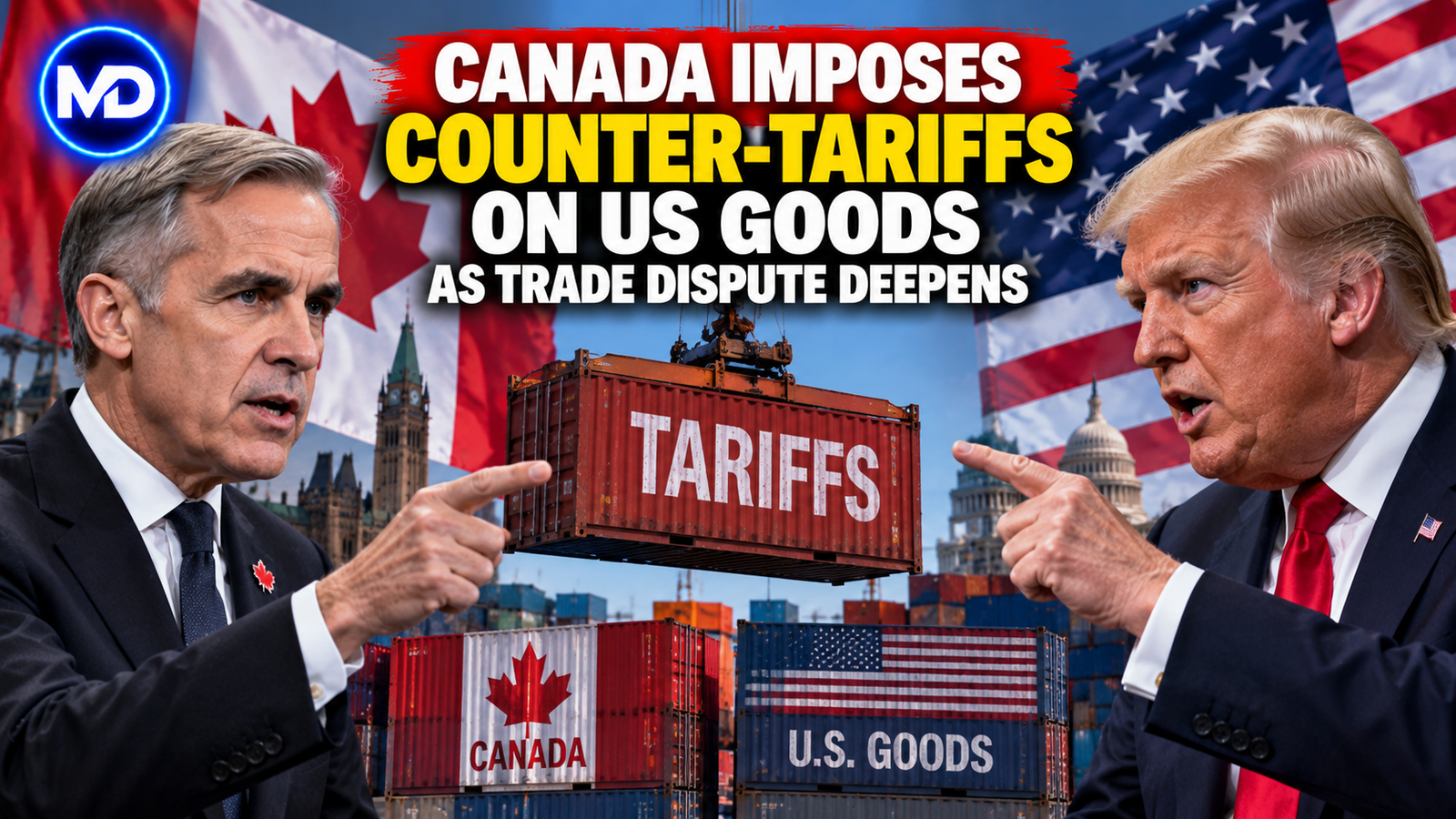
Canada has officially implemented retaliatory tariffs on a broad selection of American imports, signaling a deepening trade conflict with no immediate prospect of a negotiated settlement. The counter-measures took effect on Tuesday, covering nearly C$28 billion ($20 billion) worth of US products, with tariff rates reaching up to 50% on items such as steel, furniture, and cotton T-shirts.
The retaliatory action follows a series of trade restrictions imposed by the United States. Washington currently maintains a 25% duty on Canadian automobiles and light trucks, alongside tariffs on steel, aluminum, and lumber. In late August, US President Donald Trump introduced additional 50% tariffs targeting Canadian dairy, alcohol, hockey sticks, and perfume. In response, Canadian Prime Minister Mark Carney characterized Ottawa's counter-measures as a "dollar-for-dollar" strategy, which adds to existing Canadian surcharges on finished US vehicles that fail to meet compliance standards under the Canada-United States-Mexico Agreement (CUSMA).
Negotiations Stalled Amid Escalating Rhetoric
Official dialogue between the two nations has stalled since trade negotiations collapsed in late August. Prime Minister Carney stated last week that Canada remains open to securing a durable agreement that benefits both economies whenever US negotiators are prepared to return to the table. However, US Trade Representative Jamieson Greer countered that Washington had previously offered its best terms and noted that communication between the two sides has been minimal since the collapse of talks. Greer also warned that further retaliatory measures by Canada could prompt the US to restrict select Canadian imports.
The dispute has extended to key industrial sectors and political rhetoric. President Trump recently threatened to halt US business with Montreal-based aerospace giant Bombardier unless it shifts manufacturing operations to the United States. According to a 2024 PwC report, Bombardier contributes over C$7 billion annually to Canada's gross domestic product. President Trump also criticized Canada's exchange rate and shared online imagery portraying US flags across North American territories.
Economic Impact and Trade Shift
The cross-border tensions affect the world's largest bilateral trading partnership, which was valued at nearly $900 billion in 2025. While public polling indicates broad domestic support in Canada for retaliatory tariffs, economists warn the duties will raise consumer costs on everyday goods. To minimize self-inflicted economic damage, Canadian officials removed fresh fish and lobster from the initial tariff list following pushback from the seafood sector, where cross-border processing relies heavily on integrated supply chains.
Canada's broader economic indicators have shown mixed signals amid the friction. After expanding by 3.3% in the second quarter and generating 181,000 jobs between April and July, the economy shed approximately 41,000 positions in August as new US duties took force. However, manufacturing saw a slight increase, driven by domestic demand for local products. Meanwhile, Canadian trade data from July indicates that the share of exports destined for the US fell to 66%, down from a pre-trade dispute average of 75%, reflecting ongoing efforts by Ottawa to diversify its trade partnerships.
0 YORUMLAR
Bu KONUYA henüz yorum yapılmamış. İlk yorumu sen yaz...