
Canada and European Union Launch Alliance for the Future at Montreal Summit
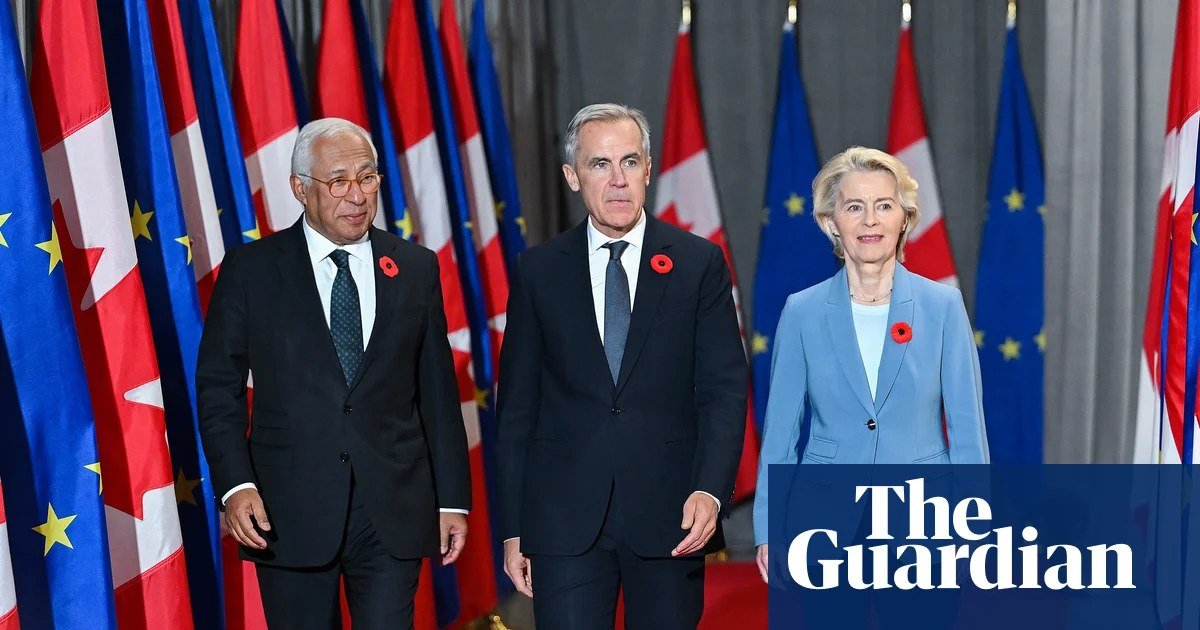
Canada and the European Union have announced a new strategic partnership named the Alliance for the Future, aiming to provide stability and counter global geopolitical volatility. Speaking at the conclusion of a two-day summit in Montreal, Canadian Prime Minister Mark Carney and European Commission President Ursula von der Leyen presented the initiative as an open platform for like-minded nations seeking to address democratic erosion, climate impacts, and the weaponization of trade.
Economic and Strategic Cooperation Agreements
As part of the summit's outcomes, Canada agreed to contribute to a €90 billion support loan for Ukraine. The two sides also announced plans for greater market integration, reduced trade and travel barriers, and expanded educational opportunities. Additionally, an agreement was reached to integrate Canada into Europe's supercomputing network, providing Canadian access to European infrastructure to train artificial intelligence models.
Addressing reliance on foreign technologies, Carney highlighted a planned merger between Canadian AI firm Cohere Inc. and Germany's Aleph Alpha GmbH, creating a combined entity headquartered in both Toronto and Berlin. The Canadian federal government announced a stake in Cohere worth up to C$1.6 billion. Carney emphasized the move as a step toward technological independence from non-domestic AI companies.
Supply Chain Security and EU Associate Membership
Von der Leyen noted that economic pressure on critical goods directly impacts living costs, pointing out that suppliers of energy, critical minerals, and semiconductors are increasingly used as tools of leverage. Carney added that the alliance seeks to secure supply chains and withstand global economic shocks together.
Both leaders reaffirmed their commitment to exploring an "associate membership" status for Canada within the EU, with a defined scope expected at a 2027 summit. While European Council President António Costa described Canada as highly aligned with European values, some EU member states, including Germany, previously expressed concerns that the novel designation could create legal ambiguity for other nations pursuing formal membership.
Local Political Friction in Quebec
The host province experienced political tension surrounding the summit. Paul St-Pierre Plamondon, the newly elected premier of Quebec's minority Parti Québécois government, declined to attend the event. St-Pierre Plamondon criticized the federal government on social media after Ottawa refused his request to address the summit publicly, declining an offer to attend the official dinner without a speaking role.
0 YORUMLAR
Bu KONUYA henüz yorum yapılmamış. İlk yorumu sen yaz...