US Approves $2.1 Billion Patriot Missile Sale to Ukraine
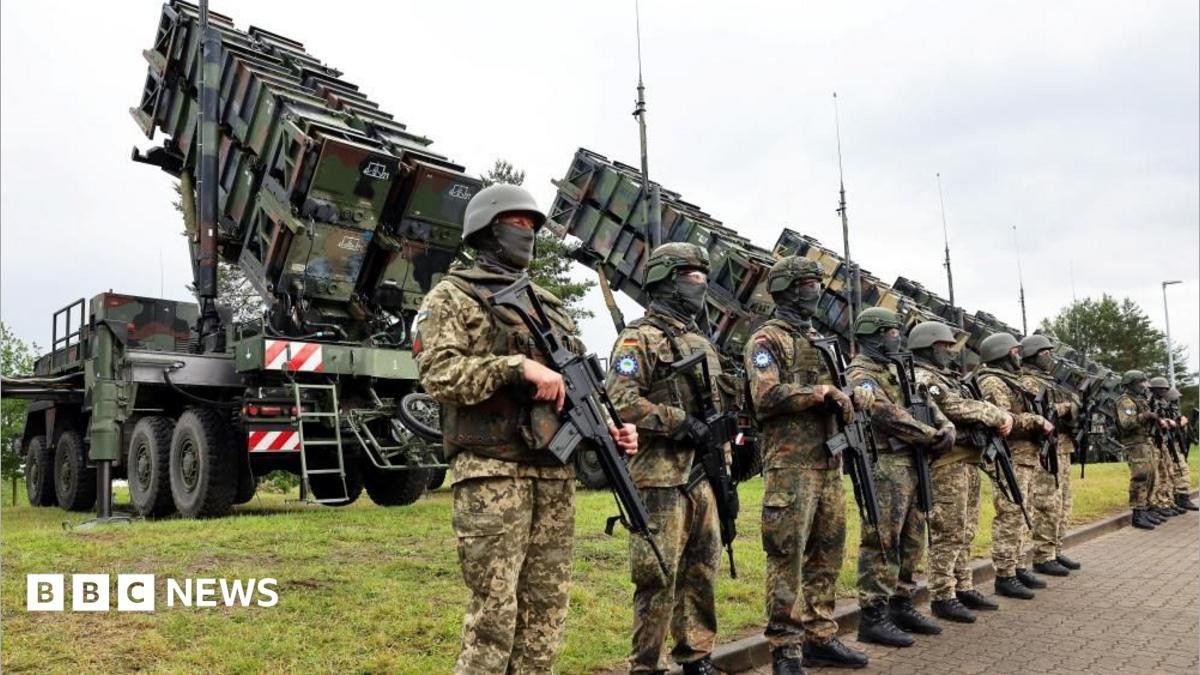
The United States has authorized the sale of 500 Patriot interceptor missiles to Ukraine in a deal valued at $2.1 billion (£1.6 billion). The advanced PAC-3 missiles are intended to help Kyiv bolster its air defenses against ongoing Russian strikes targeting critical infrastructure.
According to the US State Department, the purchase will involve no American funds. Instead, it will be entirely financed by European allies and Canada through national contributions, the JUMPSTART program, and the European Union's Ukraine Support Loan, with Canada, Germany, and Norway providing direct funding. Defense contractor Lockheed Martin has been designated as the primary contractor for the deal.
Delivery Delays and Production Constraints
Despite the approval, Ukrainian President Volodymyr Zelensky cautioned that receiving the interceptors could take several years. The purchase covers newly manufactured units rather than existing military stockpiles, making rapid deployment unlikely. The US Department of Defence notes that global manufacturing capacity for Patriot missiles is limited to approximately 600 units per year, compounded by high demand and US operational usage in conflict zones such as Iran.
Zelensky welcomed the announcement in a public statement but stressed that Ukraine requires immediate deliveries to counter escalating threats. Russia has intensified strikes on Ukraine's energy grid ahead of the winter season, launching more than 30 attacks against critical power infrastructure in the past two weeks alone. Patriot systems remain Ukraine's primary defense against Russian ballistic missile attacks.
Diplomatic Tensions and International Developments
The authorization follows weeks of diplomatic strain and delays. Zelensky noted that Kyiv had waited nearly a month for the US to sign off on the transaction amidst critical ammunition shortages. Earlier disputes between the Ukrainian leadership and US President Donald Trump arose after the US relaxed certain sanctions against Russia to secure a diesel supply agreement, leading to calls from Trump for political changes in Kyiv before tensions moderated during meetings in Oslo on October 20. Additionally, Trump stated in July that Washington had not licensed Ukraine to manufacture Patriot missiles locally, reversing a previous proposal.
Concurrently, diplomatic friction flared at the G20 foreign ministers' summit in Atlanta, hosted by US Secretary of State Marco Rubio. European diplomats staged a protest against the attendance of Russian Foreign Minister Sergei Lavrov, resulting in the cancellation of the traditional group photograph. During the session, UK Foreign Secretary Ed Miliband directly addressed Lavrov, denouncing Russia's military aggression and the civilian casualties caused by the invasion.
0 YORUMLAR
Bu KONUYA henüz yorum yapılmamış. İlk yorumu sen yaz...