
Ancient Egyptian Skull Trauma Points to Human Sacrifice of King's Servants
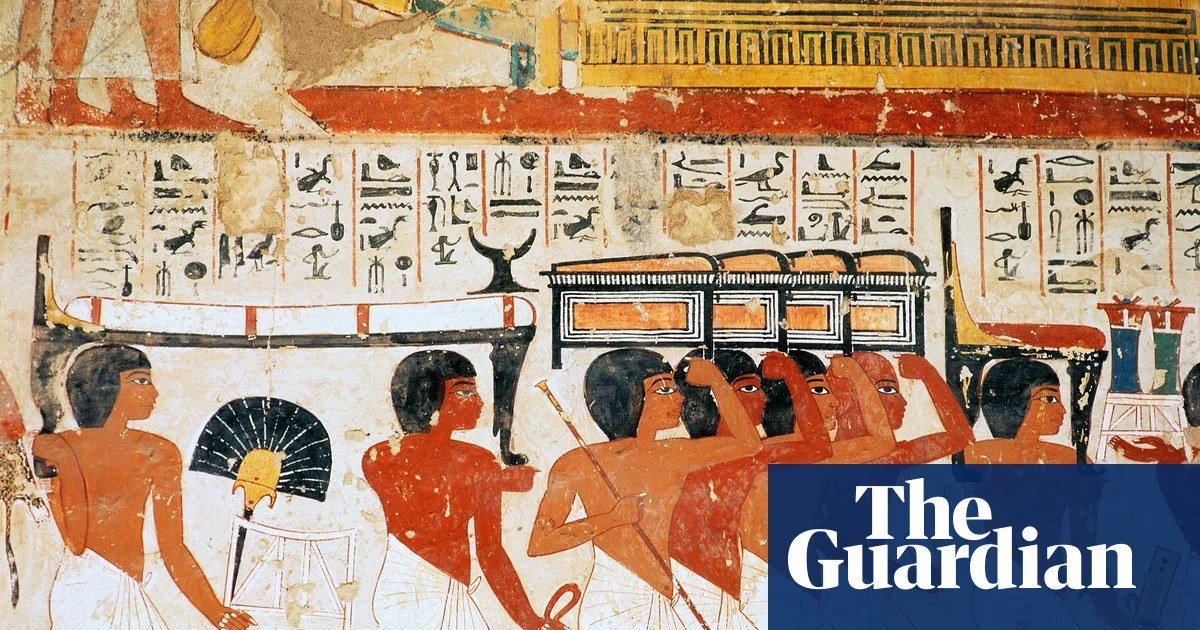
A new analysis of ancient skulls suggests that court officials and craftspeople who served early Egyptian rulers may have been sacrificed upon their king's death. The research, published in the journal Frontiers in Environmental Archaeology by Dr. Roselyn Campbell of Purdue University, re-examined human remains from the royal cemetery at Umm el-Qa’ab near Abydos, which dates back as far as 3,000 BC.
The site contains tombs belonging to First Dynasty rulers, surrounded by subsidiary graves for household associates, including inspectors, seal-bearers, ladies, and artisans. While Aha, the First Dynasty's initial ruler, had only a few subsidiary burials, his successors included hundreds of surrounding graves for their retainers. English Egyptologist Flinders Petrie originally excavated these retainer graves in the 1920s and theorized they were victims of human sacrifice. However, Petrie found no evidence of physical trauma and suggested they might have been buried alive, while other scholars posited the retainers died naturally and were reburied later.
Evidence of Lethal Physical Trauma
To investigate the long-standing debate, Campbell examined 46 retainer skulls housed in the Duckworth Collections at the University of Cambridge. The remains were originally taken from graves surrounding the funerary enclosures of King Djer, King Djet, and Queen Merneith. This marks the first study to directly analyze the human remains recovered from the tombs themselves.
The findings revealed that 18 of the 46 skulls displayed signs of potentially fatal trauma, including fractures and, in one instance, a chopping wound to the eye. Campbell suggested that Petrie may have observed these fractures but failed to recognize them as perimortem injuries occurring around the time of death, mistaking them for later damage. The study noted the fractures were unlikely to be caused by maces—weapons typically depicted in ancient Egyptian art—and were instead more likely inflicted by wide, flat objects made of antler or wood.
Scope and Historical Context
Campbell emphasized that retainer sacrifice cannot be confirmed for skulls lacking trauma, noting it remains possible that only some individuals were sacrificed. Given the small sample size relative to the overall burial population, the full extent of these rituals cannot be conclusively determined. The practice of subsidiary burials appears to have tapered off quickly, disappearing by the start of the Second Dynasty.
Commenting on the study, Salima Ikram, a professor at the American University in Cairo, noted that modern methodology is now evaluating these remains, adding that retainers were eventually replaced by statuettes in later periods. Dr. Dawn McCormack, an Egyptologist at Samford University, observed that similar sacrifices have occurred across various cultures, suggesting that the reality of these events would have been violent and that some individuals may not have complied willingly.
0 YORUMLAR
Bu KONUYA henüz yorum yapılmamış. İlk yorumu sen yaz...