
Queensland Faces Threat of Imminent Credit Rating Downgrade
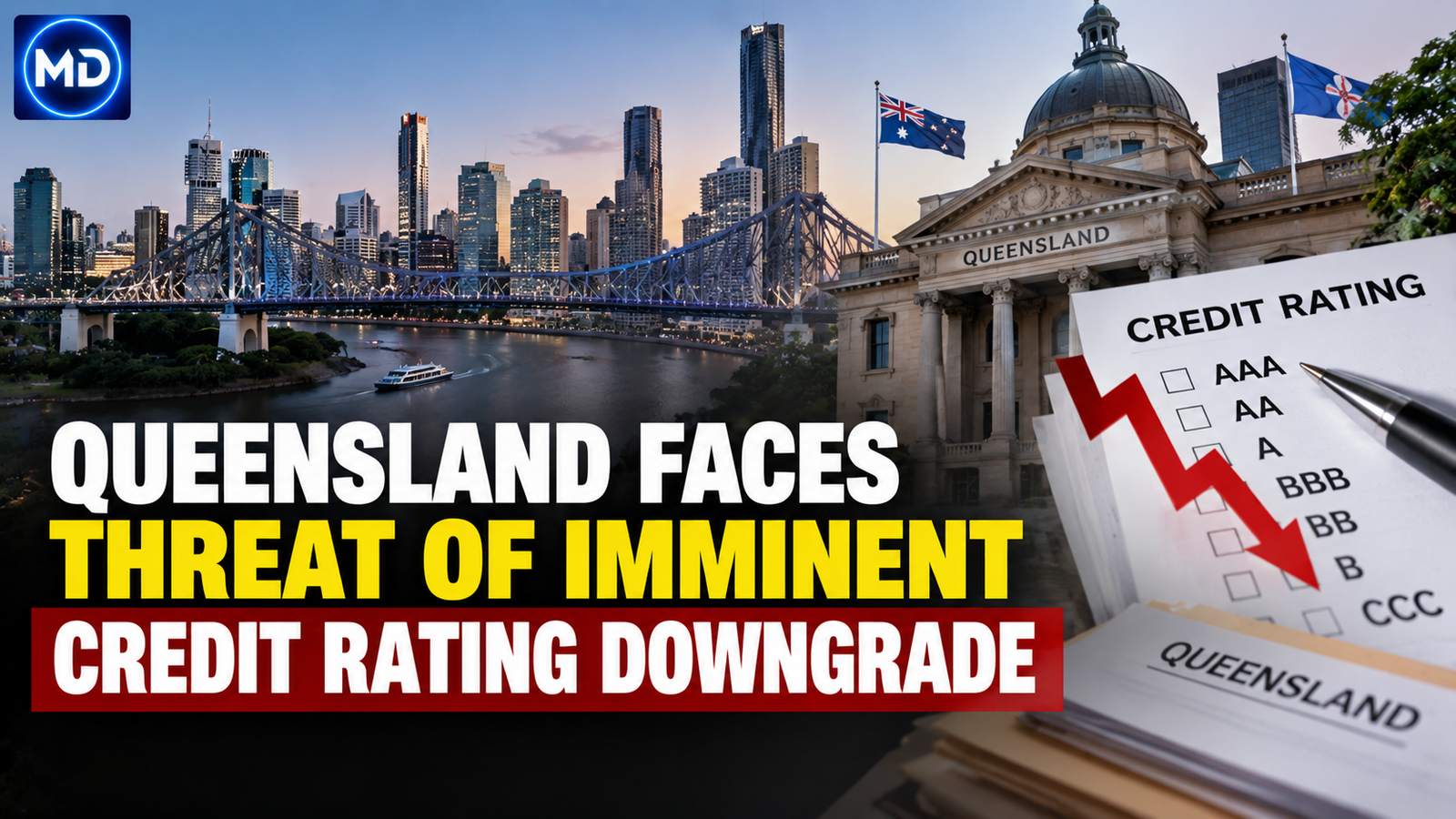
Queensland is facing the prospect of an immediate credit rating downgrade, a move that threatens to worsen the state's growing debt burden and elevate interest expenses. The potential reduction from the state's current AA+ rating has triggered political arguments between federal authorities and Queensland's LNP state administration regarding fiscal responsibility.
Financial Consequences for Public Services and Debt
According to AMP chief economist Shane Oliver, a lower credit rating would increase the costs required to service Queensland's expanding debt. Oliver noted that higher servicing obligations leave the government with fewer funds for public services, unless it chooses to hike taxes or accept larger budget deficits. He explained that these outcomes could directly affect residents through tax pressures or reduced service delivery.
State financial projections indicate that Queensland's total debt is projected to top $216 billion by 2029-30, representing a 52 per cent surge over a four-year timeframe. Interest payments alone are estimated to hit $6.83 billion in the current financial year and expand to nearly $11 billion by 2029-30. This projected annual interest figure eclipses the entire $7.1 billion infrastructure budget allocated for the 2032 Olympic and Paralympic Games.
Political Debate and Economic Factors
Addressing federal parliament, Federal Treasurer Jim Chalmers described the prospect of a downgrade as very troubling. Chalmers expressed concern over the sharp decline in Queensland's fiscal standing despite increased federal financial contributions.
Queensland Treasurer David Janetzki, who assumed office in 2024 and has repeatedly warned of a rating drop, declined to comment directly on specific rating shifts. Instead, Janetzki attributed the situation to the previous Labor state government's financial management and federal budget policies. He stated that continued financial cost-shifting from Canberra has significantly hit state budgets alongside the state's prior fiscal trajectory.
Oliver observed that both federal and state factors, alongside broader economic conditions, contribute to the fiscal strain. He highlighted that while state efforts are underway to restore sustainability, revenues are taking a hit from reduced stamp duty collections caused by declining property values and lower sales volumes. Additional contributing elements include rising bond yields, GST distribution adjustments, and insufficient state-level fiscal austerity.
A rating downgrade would place additional strain on the state treasurer's July budget forecast, which aimed to return Queensland's finances to surplus by 2029-30. Credit rating agency S&P declined to comment on any potential rating determinations or upcoming announcements.
0 YORUMLAR
Bu KONUYA henüz yorum yapılmamış. İlk yorumu sen yaz...