
Millions of Afghans Forced to Return as Pakistan and Iran Escalate Deportations
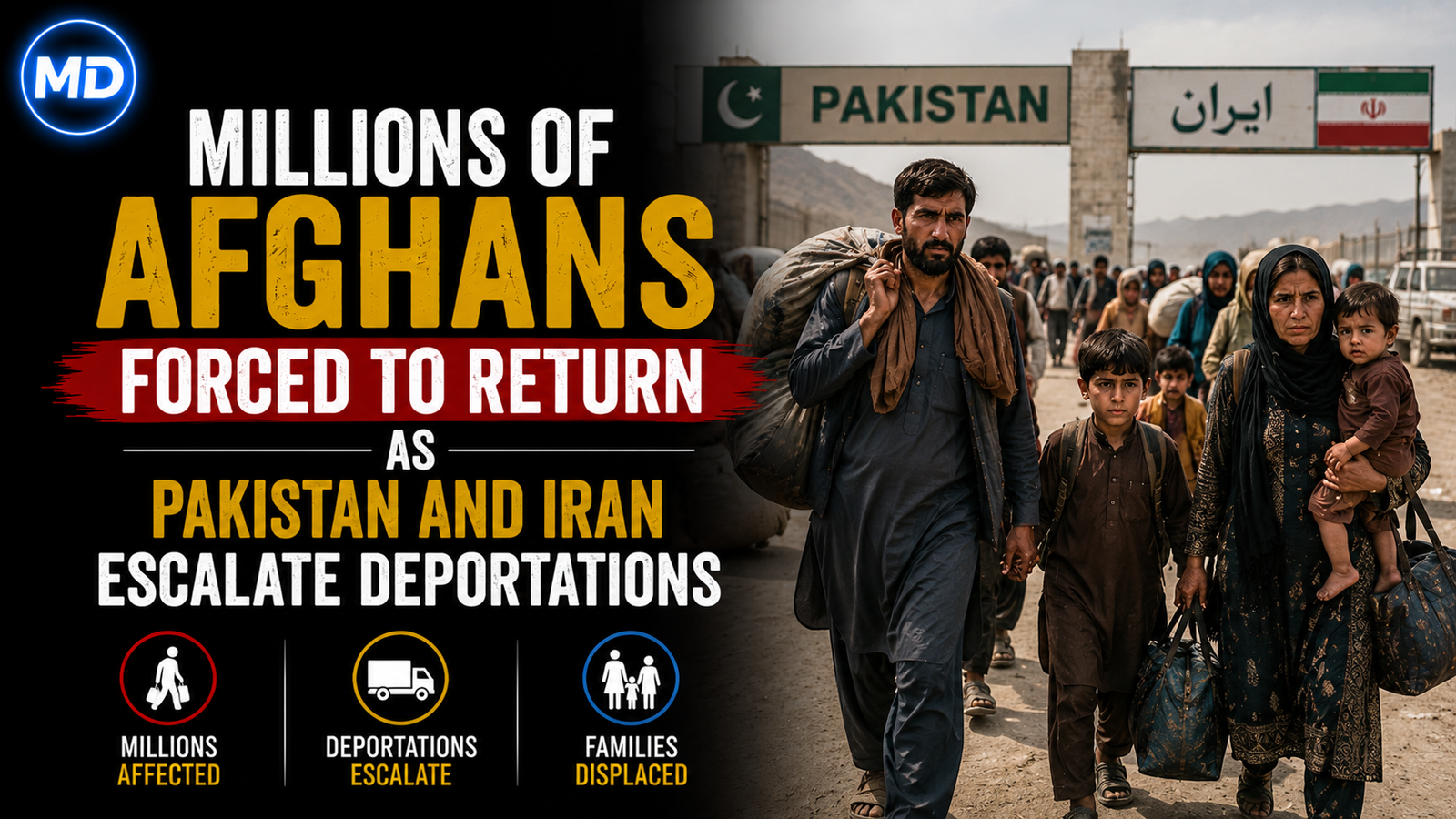
According to the United Nations Refugee Agency (UNHCR), approximately six million Afghans have returned to Afghanistan over the past three years in what represents the largest cross-border movement of people in recent history. The surge in returns comes as neighboring Pakistan and Iran intensify crackdowns on undocumented migrants, forcing millions to leave.
The UN reports that an additional one million people have been forced back to Afghanistan from Pakistan and Iran this year alone. Charlie Goodlake, a spokesperson for the UNHCR in Afghanistan, noted that the scale of this return movement has not been seen in recent history, describing the total returnee population as equivalent to the size of a small country.
Border Conditions and Regional Crackdowns
At the Torkham border crossing, known as "Zero Point," returning families arrive at temporary transit camps consisting of tattered tarpaulin and plastic shelters set up by aid agencies. Temperatures at the border transit facilities have reached 41°C. Many deportees have lived outside Afghanistan for decades, while others were born abroad and are entering the country for the first time.
While Pakistan and Iran state that foreign nationals must return home due to security risks and economic burdens, human rights organizations report widespread enforcement actions. Human Rights Watch highlighted late-night home searches, door-to-door raids, and warrantless arrests in Pakistan following an escalation in border hostilities last October. Although Pakistan claims undocumented individuals are the focus, the UN and rights groups state that registered Afghans holding Proof of Registration cards are also being targeted.
In response to allegations of police harassment made by returnees, a spokesman for Pakistan's Ministry of Foreign Affairs stated that the government takes necessary measures to prevent the maltreatment of Afghan nationals, adding that any sporadic incidents are dealt with under the law. Pakistan also confirmed that 16,000 vulnerable Afghans have been granted temporary deportation exemptions on humanitarian grounds.
In Iran, where authorities claimed to host over four million undocumented Afghans last year, mass deportations accelerated following a 12-day war involving Israel and the United States in June 2025. The Centre for Human Rights in Iran reported that authorities used the post-war climate to cast suspicion on Afghan migrants, accusing them of espionage.
Humanitarian Concerns and Safety Risks
Returnees face severe economic hardship, lack of shelter, and limited earning opportunities, compounded by global cuts in foreign aid and ongoing international sanctions against the Taliban administration. Women and girls express deep concern over restrictions that bar them from secondary schools, universities, and much of public life.
Former personnel from the previous Afghan government and security sectors also report living in fear of retaliation despite the Taliban's official amnesty announcement. Some former security workers, deported before their UN resettlement cases could be processed, report remaining in hiding due to safety fears.
The UNHCR continues to advocate for the principle that all population returns must remain voluntary, safe, and dignified.
0 YORUMLAR
Bu KONUYA henüz yorum yapılmamış. İlk yorumu sen yaz...