
Simbarashe Kundizeza Denies AI Allegations Following Caine Prize Victory
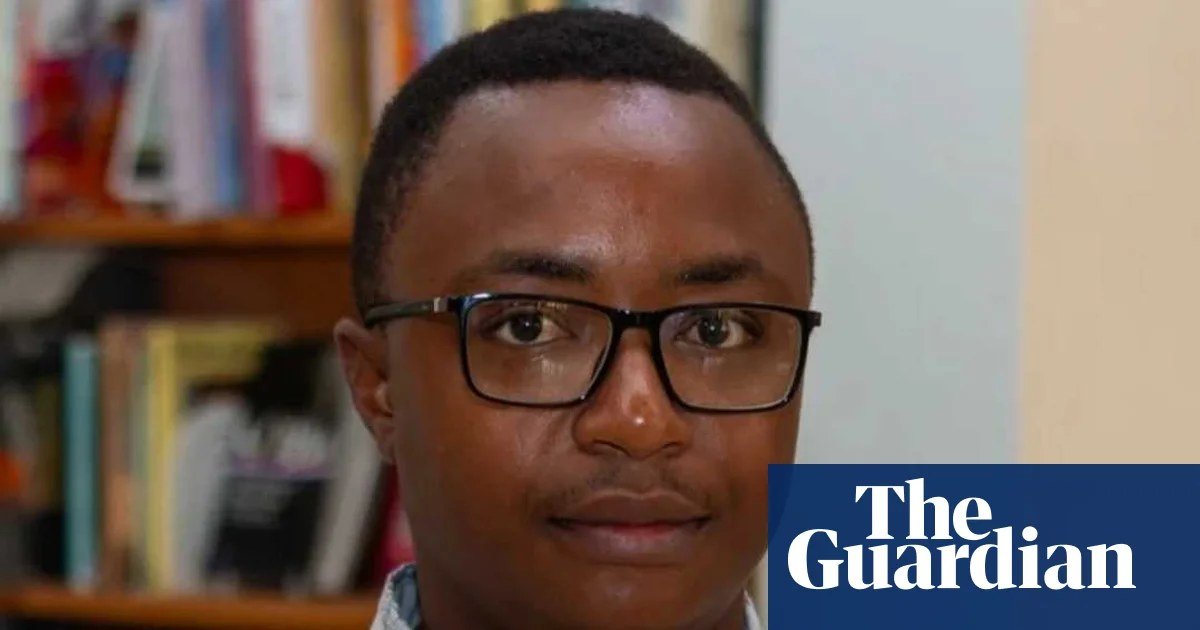
Zimbabwean author Simbarashe Kundizeza has denied allegations that he used artificial intelligence to compose his short story "The Blue Fighter," which recently won the Caine Prize for African Writing. The controversy emerged days after Kundizeza was announced as the prize winner on October 6, following the publication of an article in The Atlantic questioning the authenticity of the work.
In the article titled "Yet Another Literary Prize Winner Seems to Be AI," author and journalist Vauhini Vara stated that she processed Kundizeza's story through an AI-detection tool called Pangram. According to Vara, the software flagged the story as almost entirely generated by artificial intelligence, excluding an epigraph attributed to an unpublished poem by South African writer Vangile Gantsho. Vara also criticized the literary style of the piece, citing specific sentence structures and metaphors she characterized as common in AI writing.
Author and Prize Organizers Respond
Kundizeza refuted the claims in a statement posted on X, stating firmly that he wrote the story without generative AI assistance and that it remains entirely his own work. Addressing Vara's observation that his 2021 writings differed in tone and style from "The Blue Fighter," Kundizeza noted that suggesting an author cannot change styles or improve over several years demonstrates a fundamental misunderstanding of writing as a craft.
The Caine Prize organization confirmed it is looking into the allegations using a human-centered approach to ensure writer support. Ellah Wakatama, chair of the Caine Prize, expressed concern over relying heavily on AI-detection software as a definitive judgment on Front Row, a BBC radio program. Wakatama criticized the immediate conclusions published regarding the story and questioned using writers, particularly Black writers, as a testing ground for developing detection technology.
Broader Debate Over AI Detection Tools
Vara pointed to Pangram's internal research and a peer-reviewed journal study showing strong accuracy for academic papers to support the software's validity, though she acknowledged during a BBC interview that independent third-party research on AI-detection tools remains limited overall.
The incident reflects a growing trend of AI suspicions surrounding major literary awards. In July, Trinidadian writer Jamir Nazir faced online claims of using AI after winning the Commonwealth Foundation's short story prize. Last month, Canadian-Haitian author Thélyson Orélien's novel was removed from the longlist for France's Goncourt prize following anonymous online accusations that it was largely written by software.
0 YORUMLAR
Bu KONUYA henüz yorum yapılmamış. İlk yorumu sen yaz...