
Global Dementia Diagnoses Expected to Double to 24.7 Million Annually by 2050
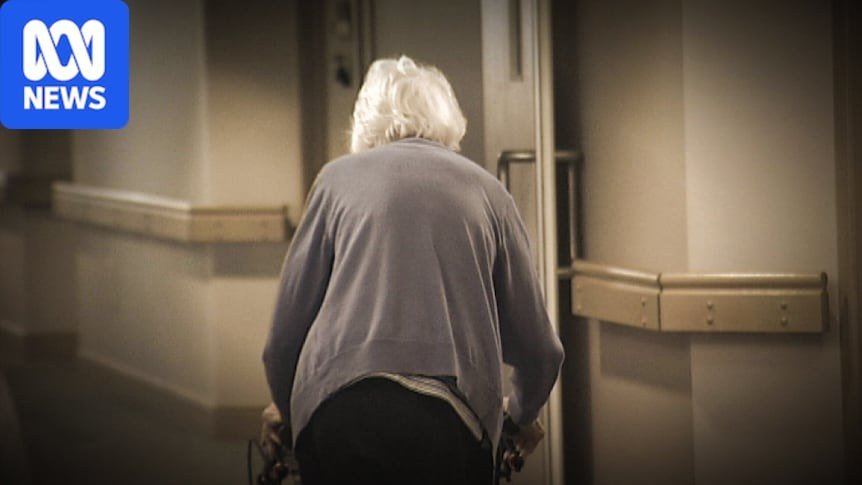
Global annual dementia diagnoses are projected to double by 2050, reaching an estimated 24.7 million people per year, according to new research published in JAMA Neurology. The landmark study highlights that women and individuals in low- and middle-income countries will bear the heaviest burden of the escalating health crisis.
Conducted by the Centre for Healthy Brain Ageing (CHeBA) at the University of New South Wales, the research analyzed data from 38,418 individuals across population-based studies in 18 countries and territories. The findings show a significant surge from 2023, when approximately 11.4 million people developed dementia worldwide.
Women Disproportionately Impacted by Brain Health Risks
The study reveals that dementia incidence rates are highest among women, who currently account for nearly two-thirds of diagnoses in Australia. While longer life expectancy has traditionally been viewed as the primary reason for this gender gap, researchers emphasize that other biological and socioeconomic factors require urgent investigation.
Lead author Dr. Ashleigh Vella noted that understanding these disparities is critical for designing targeted prevention, diagnostic, and care strategies. According to study authors, potential risk factors unique to or more prevalent in women include hormonal changes during menopause, as well as higher rates of depression, anxiety, and obesity.
CHeBA co-director Professor Henry Brodaty explained that historical inequities in education and employment also play a role. Lower access to complex occupations—particularly those involving managerial responsibilities—can result in reduced cognitive reserve, which otherwise helps buffer the brain against pathology.
Growing Pressure on Low- and Middle-Income Nations
The findings also underline severe international disparities. Monash University dementia researcher Matthew Pase pointed out that projected rates in low-income nations are particularly alarming, as these health systems are less equipped to manage the surge in demand for care. Pase stressed that global solutions must be scalable rather than limited to affluent populations.
Experts emphasize that prevention remains the most effective tool to combat the projected increase, noting that nearly half of dementia cases could be delayed or prevented by addressing 14 modifiable risk factors. With newly approved dementia drug therapies in Australia currently unsubsidised by the Pharmaceutical Benefits Scheme and remaining costly, researchers are calling for expanded investment in lifestyle interventions, early diagnosis, and equitable healthcare resources.
0 YORUMLAR
Bu KONUYA henüz yorum yapılmamış. İlk yorumu sen yaz...