
Donald Trump Announces Plan for Russian Diesel Imports Prompting Criticism from Volodymyr Zelensky
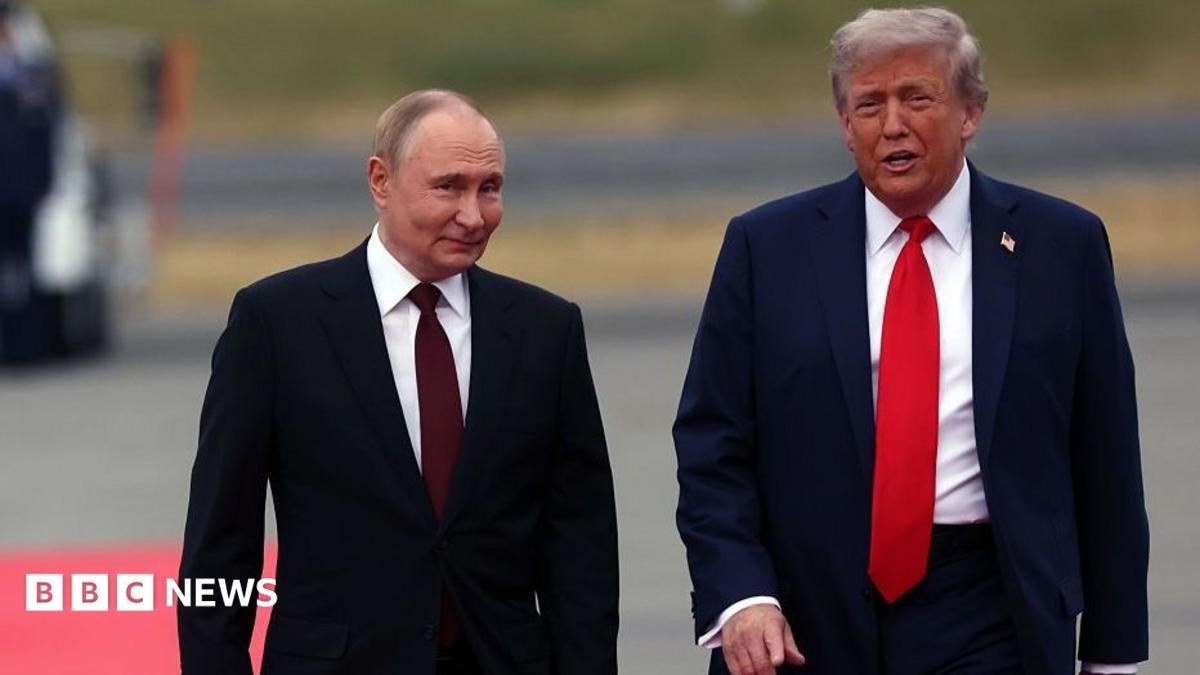
US President Donald Trump has announced an agreement to import Russian diesel into the United States to address rising fuel costs, drawing sharp condemnation from Ukrainian President Volodymyr Zelensky. Calling the arrangement a gift to Russian President Vladimir Putin, Zelensky stated that the measure represents "an investment in a war that must be ended, not prolonged" and warned that Russia would respond with further terror.
Under the announced terms, Trump stated that Putin agreed to immediately release 300,000 tonnes of diesel to domestic and international markets, to be followed by an additional 500,000 tonnes in November and one million tonnes thereafter. Trump noted in a social media post that another three million tonnes could be delivered depending on the state of Russian refineries, which have been targeted by Ukrainian drone strikes. Following the announcement, the US Treasury issued a temporary license suspending sanctions on Russian diesel exports through April 7, though other Russian assets in US financial institutions remain frozen.
Reactions and Market Impact
Putin confirmed discussions regarding global energy conditions, stating Russia's willingness to supply oil and petroleum products to global and US markets, though he did not detail specific export volumes. Kirill Dmitriev, an envoy for Putin, welcomed the initiative, describing bilateral cooperation on energy as beneficial to the world. Conversely, market analysts have questioned Russia's capacity to deliver the cited quantities and whether the imports will meaningfully reduce domestic prices. Tim Armitage, an investment strategist at Quilter Cheviot, noted that the initial release equates to roughly 2.25 million barrels against daily US consumption of about 3.8 million barrels, describing its market impact as limited.
The agreement comes as the administration attempts to curb high domestic fuel prices driven by ongoing conflict with Iran, which began in February. US diesel prices recently averaged $6.28 per gallon, down from a record $6.53 in late September, while Brent crude oil remains above $103 per barrel. Facing upcoming midterm congressional elections, Trump has explored several initiatives to reduce consumer energy costs, including considering a temporary suspension of the federal gasoline tax and allowing tax-free use of red dye diesel on highways.
International Concerns and Refinery Infrastructure
The temporary sanctions relief marks a shift following recent congressional legislation authorizing tariffs and sanctions on nations buying Russian energy. A spokesperson for the UK government reiterated its commitment to existing measures, emphasizing that the UK will maintain its sanctions regime against Moscow while continuing military and financial backing for Ukraine.
Questions also remain regarding Russia's refining capacity. Following Ukrainian attacks on Russian energy infrastructure, estimates from the International Energy Agency indicate that Russian diesel production fell by nearly 30 percent, contributing to domestic fuel shortages. Defending the actions, Zelensky stated that Ukrainian strikes on refineries were direct responses to Russian attacks on Ukraine's energy grid, adding that targeting of refineries would cease if Russia stopped attacking Ukrainian infrastructure.
0 YORUMLAR
Bu KONUYA henüz yorum yapılmamış. İlk yorumu sen yaz...