
Tokyo Court Rules AI Voice Cloning Violates Actor's Rights
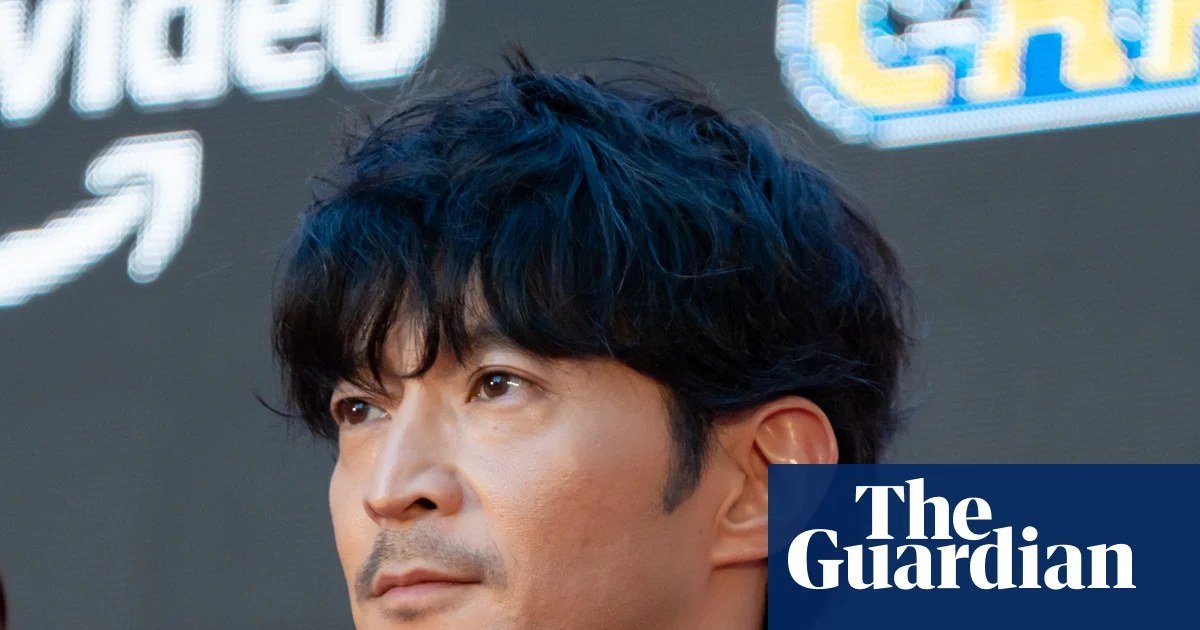
A Tokyo court has ruled that the human voice is protected under publicity rights following a legal challenge by prominent voice actor Kenjiro Tsuda against a TikTok account that used an AI-generated clone of his voice.
The Tokyo District Court determined on Wednesday that unauthorized commercial exploitation of a performer's vocal identity constitutes an infringement of publicity rights. Presiding Judge Aya Takahashi stated that a person's voice is as symbolic of their personality as their portrait, and legal protection applies when a voice is used exclusively to capitalize on its commercial attraction.
Landmark Ruling on Vocal Rights
The lawsuit represents the first case in Japan to address the defense of an individual's vocal identity against artificial intelligence duplication. Tsuda, 55, known for portraying Kento Nanami in the anime series Jujutsu Kaisen, filed the action after discovering 188 videos published by an anonymous TikTok account between July 2024 and September of the previous year. The videos featured narration generated by AI that mimicked his deep baritone voice.
The account, which utilized a profile picture resembling Tsuda's anime character, posted content covering conspiracy theories, the occult, and urban legends. Legal filings indicated the channel reached over 200,000 subscribers and generated estimated monthly revenues between ¥500,000 and ¥75,000. Tsuda's legal representatives argued that the account gained popularity solely by replicating the recognized actor's voice.
Platform Response and Industry Concerns
In defense, TikTok argued that the recordings featured a generic male voice and that similarities to Tsuda were subjective. While establishing the violation of rights, the court rejected Tsuda's request for an injunction ordering video removal, citing that the account operator had already deleted the content shortly after the lawsuit was initiated last November.
Following the verdict, TikTok stated it would respect the judicial decision and assess its next steps after reviewing the ruling's details, adding that it aims to balance technological innovation with rights protection. The decision arrives amid growing anxiety among Japanese voice performers regarding AI replication. In 2024, actors formed the "No More" initiative to contest the unauthorized deployment of their likenesses and voices in synthetic media.
0 YORUMLAR
Bu KONUYA henüz yorum yapılmamış. İlk yorumu sen yaz...