
NSW Grain Growers Report Mixed Harvest Outcomes Following Tough Winter Season
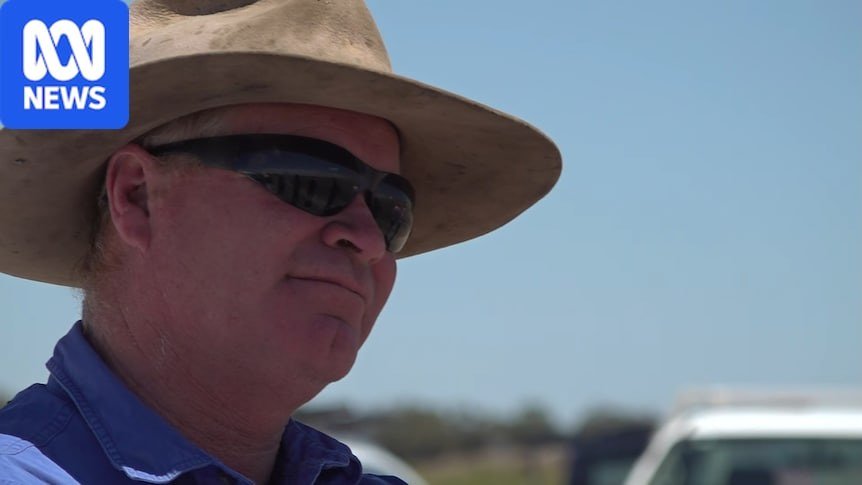
Winter crop growers across New South Wales are recording starkly contrasting results following a challenging season marked by dry conditions, elevated input costs, and difficult planting choices. National winter crop production is projected to decline by approximately one-third this year, though New South Wales remains on track to be Australia's second-largest producing state, behind Western Australia.
Conditions have varied significantly between northern and southern regions. In the state's north-west, widespread drought kept many farmers from planting. Toby Moore, a farmer who also raises livestock, elected not to plant any crops after late rains left insufficient soil moisture profiles. The decision resulted in a total loss of annual grain income, though Mr Moore noted it was aimed at preserving soil moisture and strengthening his operational position for the upcoming season.
Other northern growers elected to take operational risks despite limited water reserves. Rodney Slack-Smith of Burren Junction planted roughly half of his property following mid-May rainfall. Although his yields fell below average, the harvest yielded a financial return. Mr Slack-Smith noted that diesel expenses accounted for up to 25 percent of input costs, with fuel priced at $3 per litre and harvesting machinery consuming extra fuel due to wet harvest conditions.
Near Walgett, Dr Enid Coupé estimated that less than 10 percent of the surrounding district was able to plant this season. However, she and her partner Hunter Hopcroft managed to establish crops at Cryon after May rainfall. While their yields are down compared to recent record years, high grain protein levels and strong market prices have helped offset the volume drop. Mr Hopcroft noted that chickpea prices have reached around $1,000 per tonne, though the farm only had 600 hectares planted to the pulse.
In contrast, growers in southern New South Wales experienced far more favorable conditions. Trent Lindbeck, who farms over 1,200 hectares of canola, wheat, barley, and field peas at Junee Reefs, reported harvest yields exceeding expectations following his most expensive cropping season to date. Having started harvesting canola about 10 days earlier than usual, Mr Lindbeck stated his canola output has doubled compared to the previous year, with wheat and barley yields also showing marked improvements.
Across the state, agricultural producers are now anticipating summer rain to replenish soil moisture reserves ahead of the next winter cropping cycle.
0 YORUMLAR
Bu KONUYA henüz yorum yapılmamış. İlk yorumu sen yaz...