
One in Four Women Globally Cannot Refuse Sex in Marriage, UNFPA Report Reveals
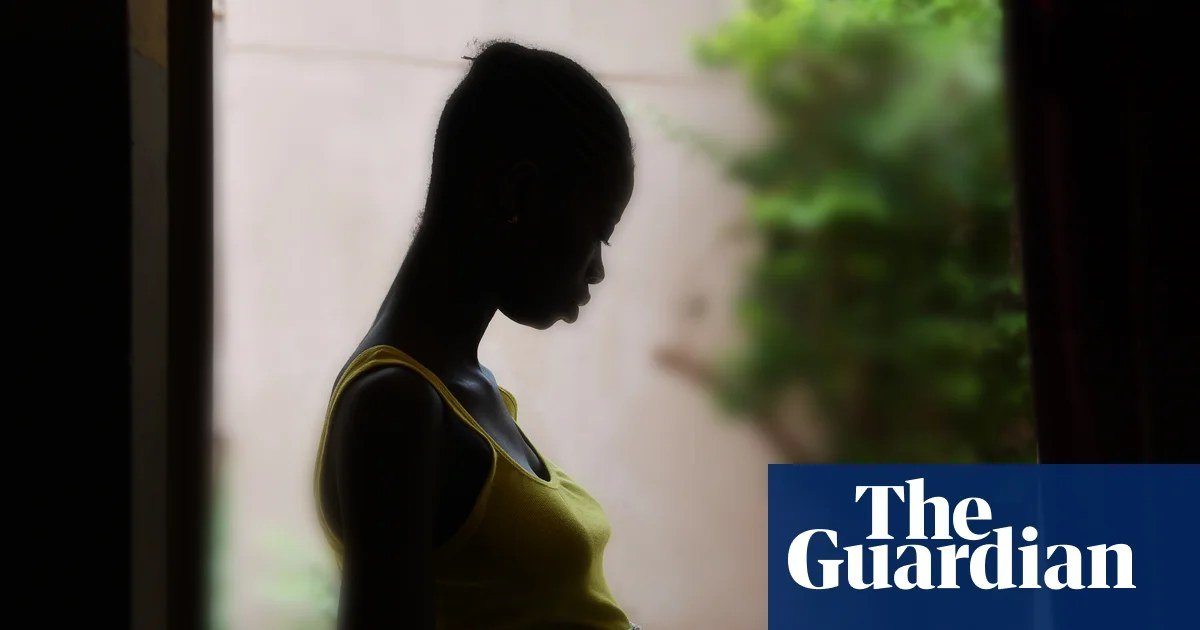
A report released by the UN Population Fund (UNFPA) shows that one in four women globally lacks the ability to refuse sex if requested by their husband or partner. The study highlights significant regional disparities, with women in west and central Africa experiencing the highest level of restriction, where nearly half (45%) cannot withhold consent within their marriages.
The findings also indicate that 33% of women in east and southern Africa, as well as in Arab states, face similar limitations regarding consent. In Latin America and the Caribbean, one in 10 women is unable to refuse sexual relations with their partner.
Adolescent Girls Face Higher Vulnerability
The UNFPA report analyzed comparable data from eight nations: Angola, the Democratic Republic of the Congo, Kazakhstan, Malawi, Mali, Nigeria, Tajikistan, and Zambia. The analysis revealed that younger women and girls aged 15 to 19 possess even less agency to decline sex compared to older women aged 45 to 49. These findings correspond with existing research showing elevated rates of intimate partner violence among adolescent girls.
Jean-Paul Murunga, a lawyer with the human rights organization Equality Now, noted that the figures remain concerning despite the adoption of the Maputo Protocol across Africa. Adopted by the African Union in 2003, the landmark treaty establishes legally binding standards for gender equality, guarantees women's rights to health, mandates protection from violence, and dictates that marriage must rest on full consent. Murunga emphasized that sexual activity without free consent constitutes sexual violence regardless of marital status, stating that marriage does not grant perpetual or implied consent.
Legal Exemptions and Cultural Barriers
According to a 2024 report by Murunga, legal frameworks across several African nations fail to criminalize spousal rape. Seven countries, including Côte d’Ivoire, Ethiopia, and South Sudan, explicitly exempt husbands from prosecution for marital rape. In other jurisdictions, such as Tanzania and Eritrea, marital rape is criminalized only if the couple is living apart. In Gabon, a man who abducts and marries a child can be prosecuted for the act only after the marriage has been officially annulled.
Advocates point to legal loopholes and cultural practices that compound the issue. Alimatu Dimonekene, founder of the Sierra Leone-based organization A Girl At A Time, explained that open discussion regarding marital consent remains largely absent in west Africa. She noted that traditional customs, such as the payment of a bride price by the groom, reinforce the perception that marital sex is an obligatory duty, leaving young wives with limited means to protect themselves from sexual violence.
0 YORUMLAR
Bu KONUYA henüz yorum yapılmamış. İlk yorumu sen yaz...