
International Tribunal Rejects Argentina's Attempt to Halt Falkland Islands Oil Project
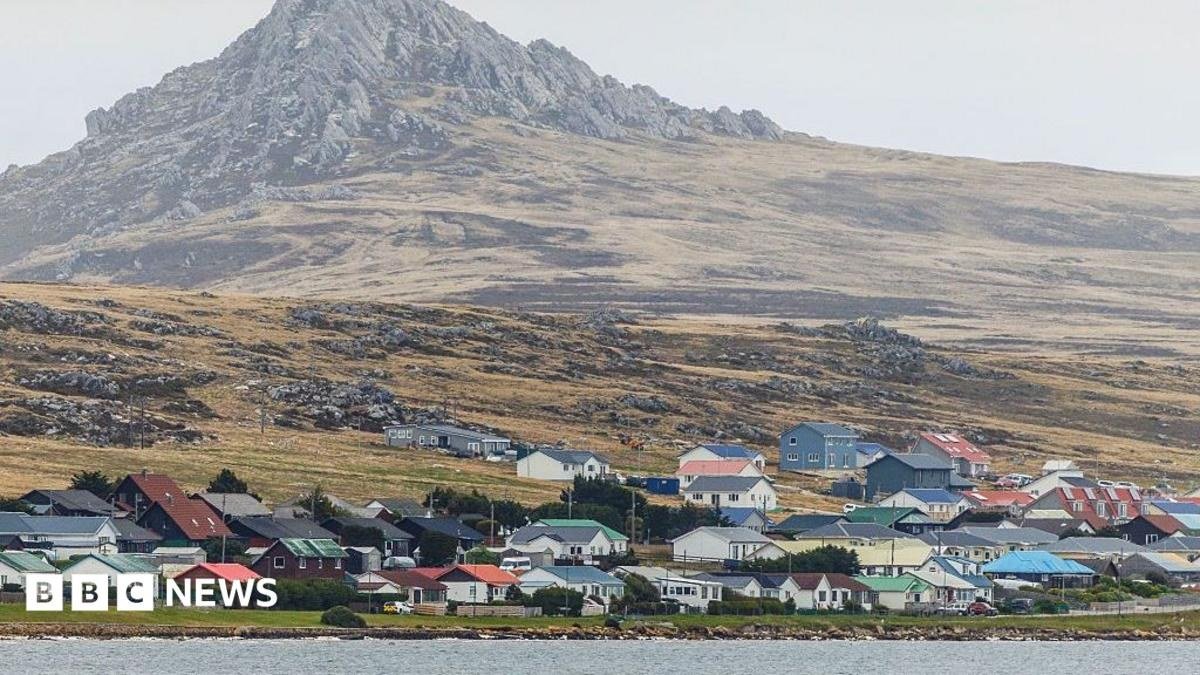
A UN-backed international tribunal has rejected an attempt by Argentina to block an oil exploration initiative near the Falkland Islands. The Argentinian government had petitioned to stop the Sea Lion project, citing an ongoing dispute over the sovereignty of the British overseas territory. However, the UK has consistently rejected Argentina's territorial claims.
The president of the International Tribunal for the Law of the Sea announced the decision on Saturday, stating that the court lacked jurisdiction over sovereignty matters. The panel voted 18-3 to dismiss Argentina's request. Following the ruling, Argentinian President Javier Milei asserted that the decision was not the final word and reaffirmed his country's sovereignty claim over the islands.
Legal Arguments and Economic Context
The UK's Attorney General for England and Wales, Ellie Reeves, presented legal arguments in Hamburg earlier this month and characterized the ruling as a significant victory for the UK. In a joint statement with Foreign Secretary Ed Miliband, Reeves called on Argentina to cease economic pressure against the Falkland Islands, stating that Argentina had failed in its bid to prevent islanders from making independent sovereign decisions.
Located approximately 130 miles (209 km) off the Falkland Islands, the Sea Lion oilfield holds an estimated 1.7 billion barrels of oil. British firm Rockhopper Exploration and Israeli company Navitas Petroleum are scheduled to begin extraction within two years, a project expected to bring substantial revenue to the island's approximately 3,500 residents.
Argentina argued that international law protects disputed maritime environments and claimed that no actions, including oil drilling, should alter the territorial status quo. The UK countered that the tribunal was not the appropriate venue and warned that halting the project would inflict severe economic damage on the local population and involved firms. Ultimately, the tribunal determined it was not the correct forum to address territorial sovereignty disputes.
Argentinian Response and Sanction Threats
Following the ruling, the Argentinian government stated it had not asked the tribunal to resolve sovereignty, but rather to apply UN maritime laws regarding the exploitation of resources. Buenos Aires announced intended sanctions against five unidentified individuals involved in the oil drilling venture, warning that participants in resource extraction would face consequences.
Chatham House Professor Marc Weller noted that Argentina's challenge had fallen at an initial phase, raising doubts about the viability of its claims in potential future arbitral proceedings next year. The dispute is the latest in a long history of diplomatic tensions following the 10-week war in 1982, which resulted in the deaths of 255 British military personnel, three islanders, and 649 Argentinian military personnel. The UK maintains that the islands' residents hold the right to self-determination, noting that 99.8% of voters chose to remain a British overseas territory in a 2013 referendum.
0 YORUMLAR
Bu KONUYA henüz yorum yapılmamış. İlk yorumu sen yaz...