
Kyiv Prepares for Another Harsh Winter Amid Continued Russian Air Strikes
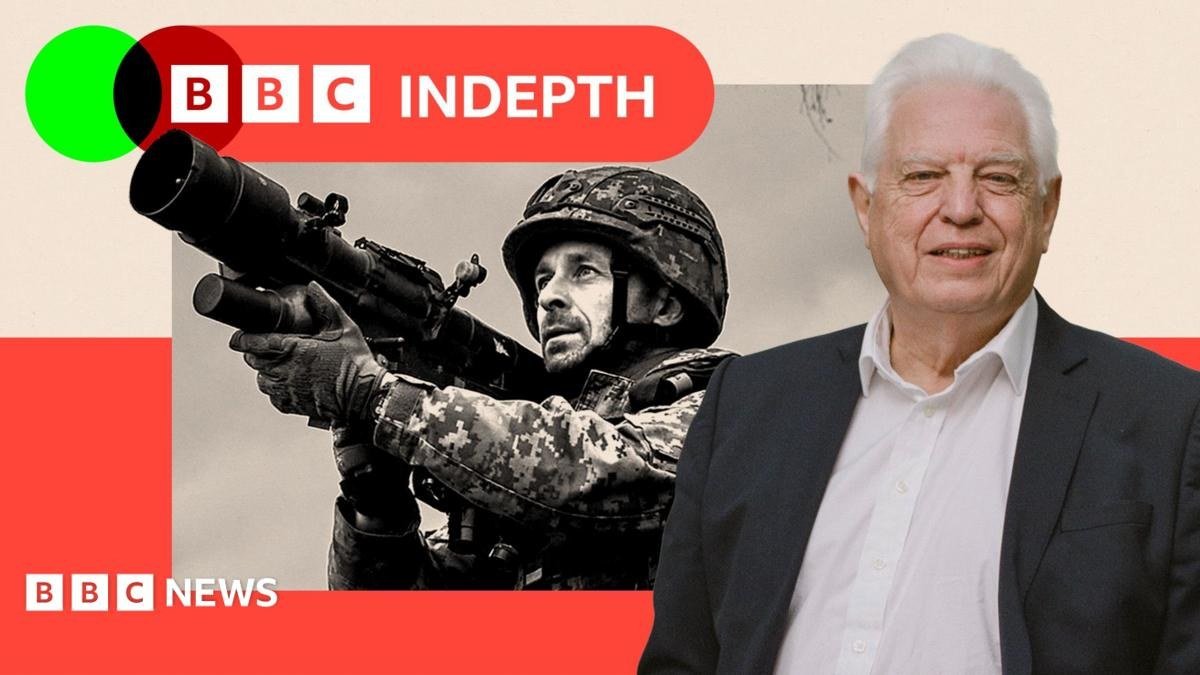
As Ukraine enters its fourth winter since Russia launched its full-scale invasion in February 2022, residents in Kyiv are bracing for continued hardship while facing regular air attacks and widespread infrastructure disruptions. Severe targeting of energy facilities has left parts of the capital without regular power, lighting, or water, forcing residents to navigate dark streets, rely on air raid shelters, and carry supplies up high-rise apartment buildings when lifts are out of service.
Recent military escalations have further heightened security alerts across the capital. On Monday, 16 November, Ukrainian forces targeted the Kerch bridge connecting Russia to occupied Crimea, damaging its central road-bridge arch with missiles and drones. Shortly after, Russian forces launched seven ballistic missiles at Kyiv, disabling two of the nine bridges spanning the River Dnipro. Air raid sirens and warnings continue to prompt citizens to take cover in shelters or monitor real-time tracking gadgets to identify incoming drone and missile threats.
Impact on Infrastructure and Demographics
More than four and a half years of conflict have taken a severe toll on the nation's civilian population and military personnel. United Nations estimates suggest at least 18,000 Ukrainian civilians have been killed, with some estimates indicating Ukrainian military fatalities could reach 100,000. Infrastructure damage remains a key pressure point, as continuous bombardment hinders the pumping of domestic water supplies and disrupts heating during sub-zero overnight temperatures.
The Ukrainian Ministry of Justice reports that at least 20,000 Ukrainian children have been abducted and relocated to Russia. Additionally, widespread evidence of civilian abuse and murder was documented in satellite towns such as Bucha following the withdrawal of Russian forces in March 2022. Moscow continues to deny that its military strikes intentionally target civilians or civilian infrastructure.
Public Sentiment and Political Trust
Despite daily disruptions, night-time curfews starting at 11:00 PM, and high food prices, recent public opinion research indicates strong resistance to capitulation. According to a poll conducted last month by the Kyiv International Institute of Sociology (KIIS), 62% of respondents expressed willingness to endure the conflict for as long as necessary. Furthermore, 79% expressed confidence in an eventual Ukrainian victory, compared to 7% who anticipated a Russian victory.
Trust in Ukrainian President Volodymyr Zelensky currently stands between 54% and 57%, according to KIIS data. While this reflects a decrease from early 2022 approval ratings that reached 90%, it demonstrates sustained support after more than seven years in office amid ongoing martial conditions.
0 YORUMLAR
Bu KONUYA henüz yorum yapılmamış. İlk yorumu sen yaz...