
Barnaby Joyce Rejects Warnings Over One Nation Net Negative Migration Plan
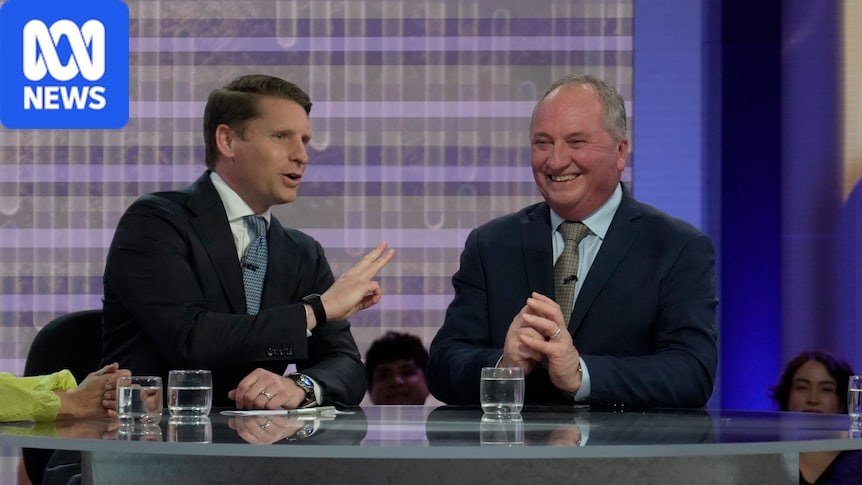
One Nation Treasury spokesman Barnaby Joyce has dismissed warnings from economists and business representatives regarding his party's proposal to drive Australia's net migration into negative territory for three years. Speaking on the ABC National Forum, Mr Joyce stated that voters are tired of public policy being dictated by economists and argued that the public's desire to reduce migration must be respected.
Under the plan announced by One Nation, net overseas migration would become negative—resulting in more departures than arrivals—before being capped at an ongoing rate of 130,000 places annually. The policy aims to achieve this by placing strict limits on international student visas and blocking skilled workers from bringing family members to Australia. Mr Joyce noted that demand-driven visa pathways, such as the Pacific worker program relied upon by farmers, as well as primary visas for skilled workers themselves, would remain untouched.
ECONOMIC WARNINGS AND HISTORICAL CONTEXT
Industry groups and analysts have raised strong concerns over the potential economic fallout of the policy. Business representatives and the university sector warned that reducing migration by approximately 750,000 places over a three-year span could severely damage the economy. Australian Chamber of Commerce and Industry chief executive Andrew McKellar cautioned that setting arbitrary target numbers without considering specific needs risks causing long-term economic harm.
Political commentator George Megalogenis highlighted that Australia has only recorded net negative migration four times in its history—during the depressions of the 1890s and 1930s, and during the two World Wars. He argued that removing roughly 766,000 people from the economy over three years would cause contraction on a scale comparable to those historic depressions. Former deputy prime minister John Anderson also observed that strong migration had previously saved Australia from falling into recession, though he acknowledged widespread public belief that the current migration system is broken.
RESPONSES FROM LABOR AND THE COALITION
While migration has slowed from its post-pandemic peak in mid-2023, arrivals continue to outpace housing construction and exceed long-term government estimates. In response to rising public concern, both the Labor government and the Coalition have pledged to lower migration levels, though neither has detailed all specific policy measures.
The federal Labor government aims to bring annual net migration down to 225,000 by 2028 from its current level of around 300,000, though proposed policy adjustments remain under cabinet debate. The Coalition has indicated it plans to align migration targets with housing construction figures. Coalition frontbencher Andrew Hastie stated his party agrees with cutting temporary graduate visas and stopping visa hopping, but emphasized that responsible reductions require carefully considered trade-offs.
0 YORUMLAR
Bu KONUYA henüz yorum yapılmamış. İlk yorumu sen yaz...