
Aldabra Giant Tortoise Population Reaches Record High of 180,000 in Conservation Victory
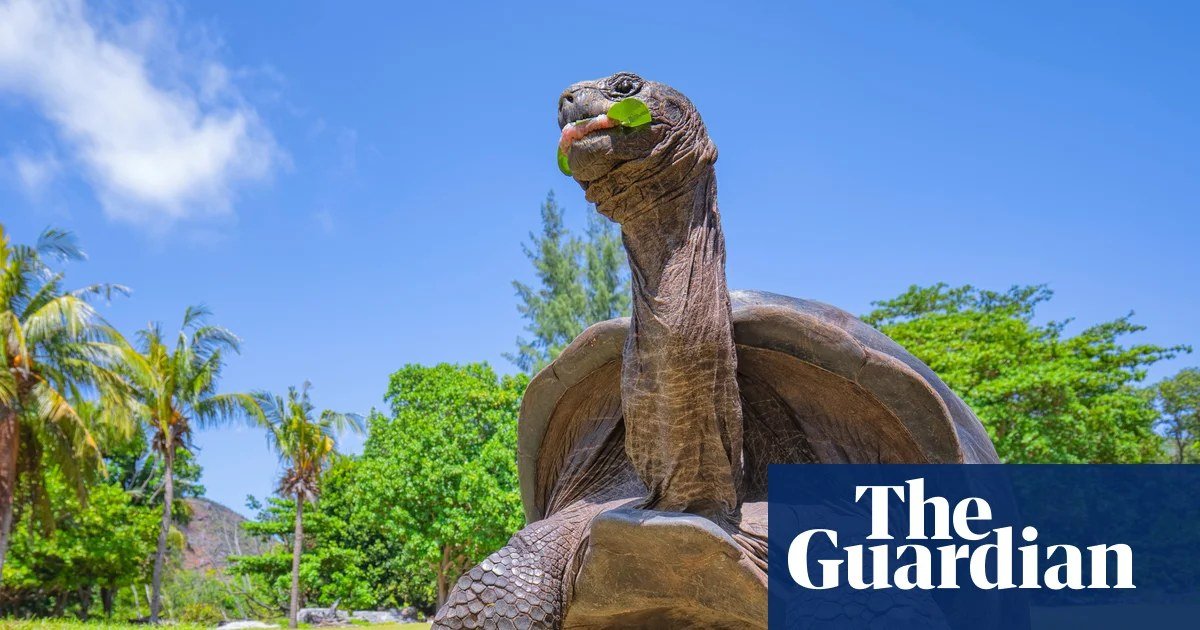
The wild population of Aldabra giant tortoises in Seychelles has reached an estimated 180,000 individuals, marking a major success for decades of dedicated wildlife protection efforts. The update stems from a newly published study in the journal Ecology and Evolution, which establishes the highest population count ever recorded for the species.
Led by the Seychelles Islands Foundation (SIF) and the University of Exeter, researchers analyzed five years of field monitoring data collected between 2018 and 2022. The resulting statistical model placed the best estimate at roughly 183,000 adult and sub-adult tortoises living freely on Aldabra Atoll. This figure represents the first official population update since the late 1990s, when the wild count was widely cited at around 100,000.
A Major Recovery from Near Extinction
Aldabra Atoll is one of just two locations worldwide harboring wild giant tortoises, alongside the Galápagos Islands, which host a much smaller population. The species faced severe decline in the 19th century due to intense exploitation, which reduced the population to under 1,000 individuals. Intensive recovery initiatives helped turn the tide, leading to the atoll being designated a strict nature reserve in 1981 and a UNESCO World Heritage site in 1982.
Dr. Frauke Fleischer-Dogley, CEO of SIF, described the figure as proof of what long-term conservation commitment can accomplish. Dr. Nancy Bunbury, a co-author of the study, noted that counting the animals across the atoll's dense vegetation presented significant challenges. By incorporating modeling techniques to account for unobserved individuals alongside direct sightings, the research team created the most reliable baseline to date for monitoring future trends.
Ongoing Threats and Future Conservation
Despite the positive census results, experts emphasize that the current figure acts as a baseline rather than a final victory. Researchers warn that environmental pressures pose continued risks to the giant tortoises. Shifted weather patterns caused by climate change are expected to bring longer, more frequent droughts that could reduce available food and shade, while rising sea levels threaten low-lying areas of the atoll.
Invasive mammals also remain an active hazard. Feral cats and black rats on the atoll prey on tortoise eggs and newly hatched young. Study authors highlight that eradicating these invasive predators could remove key obstacles to further population resilience, helping the iconic species withstand future climate shifts.
0 YORUMLAR
Bu KONUYA henüz yorum yapılmamış. İlk yorumu sen yaz...