
Greens Express Optimism Over Australian Digital Duty of Care Legislation Negotiations
Negotiations over the Australian government's proposed digital duty of care legislation have reached a critical stage during the final parliamentary sitting week of the year. The Greens have expressed optimism that an agreement with the government can be reached before parliament concludes its session, provided key amendments are addressed.
The proposed bill aims to place a legal obligation on major technology companies to protect users by preventing foreseeable online harms before they take place. To pass the legislation through the Senate before the end of the year, the Albanese government requires the support of the Greens.
Greens Push for Legal Rights for Individuals
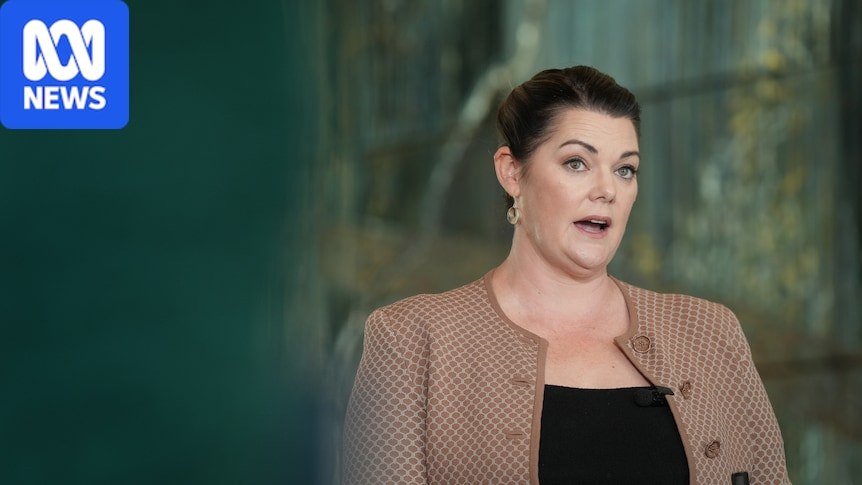
Greens Senator Sarah Hanson-Young stated that discussions with the government have been productive, particularly regarding a key Greens amendment that would permit Australians to launch legal action against technology platforms if they suffer harm online. Hanson-Young described the amendment as a core requirement for her party's support.
"We've seen them open the door to allowing for individuals and organisations to take big tech to court," Hanson-Young said. She added that while she remains hopeful an agreement can be finalized this week, the responsibility lies with the government to deliver the required legislative text. She noted that if a deal is not reached immediately, negotiations could carry over into the following year.
Small Business Exemption Confirmed
Following concerns raised by industry groups, Communications Minister Anika Wells confirmed that small businesses will be explicitly exempted from the digital duty of care requirements. The clarification comes after the Australian Chamber of Commerce and Industry (ACCI) warned that small enterprises were uncertain about compliance duties and potential exposure to severe financial penalties.
ACCI chief executive Andrew McKellar emphasized that small businesses should not have to hire legal counsel to determine if low-risk commercial websites are subject to penalties exceeding $100 million. Responding to these concerns, Wells clarified that low-risk websites, such as those operated by local cafes or bookkeepers, will not fall under the scope of the new regulatory framework.
"The intention of the Digital Duty of Care is to put the onus on tech companies to protect Australians from online harms before they occur — not to create additional burden for low-risk small businesses," Wells stated.
Broader Parliamentary Agenda and COP31 Outcome
The Senate faces a congested legislative agenda before the parliamentary year ends. In addition to the digital duty of care bill, lawmakers are negotiating matters related to a gas reservation scheme, capital gains discounts, trust regulations, and private health insurance. Foreign Minister Penny Wong is also expected to outline policy positioning artificial intelligence as a national security issue, while the government maintains its position on the stability of the AUKUS agreement.
Separately, international climate negotiations at the COP31 UN climate summit in Antalya, Türkiye, concluded without a consensus. The summit, joint-chaired by Australia and Türkiye, ended after negotiations broke down over a draft proposal that omitted any explicit mention of fossil fuels. The 27-nation European Union and several other countries rejected the final draft, leading the joint presidency to confirm that no further draft proposals would be submitted.
0 YORUMLAR
Bu KONUYA henüz yorum yapılmamış. İlk yorumu sen yaz...