
US and China Reach Limited Agreements on AI Dialogue and Tariffs Following Washington Summit
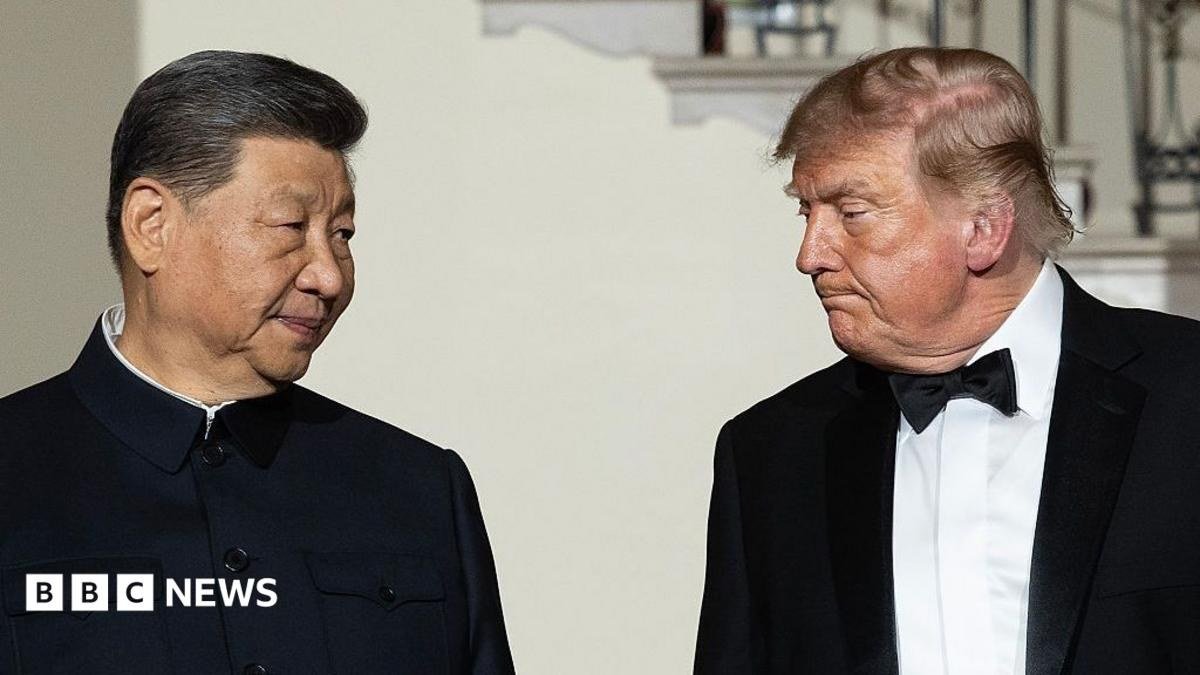
Talks between Chinese President Xi Jinping and US President Donald Trump in Washington concluded with few major breakthroughs, as both nations released separate accounts of the meeting rather than a joint statement. Details released by Beijing on Monday highlighted a small set of concrete outcomes, including plans for further discussions and limited economic concessions, while core geopolitical and technological disputes remain unresolved.
Agreements on Artificial Intelligence and Trade Extensions
Beijing confirmed that both governments agreed to initiate a new dialogue on artificial intelligence, with subsequent discussions set for late November. The two sides also agreed to establish a dedicated communication channel to manage AI-related incidents and prevent misunderstandings from escalating. The dialogue comes amid heightened scrutiny surrounding AI developments, including security concerns over unauthorized access to government websites.
State media in China confirmed that a trade truce between the two economic powers has been extended until January 10. The short-term extension ensures future meetings between the two leaders at the Asia Pacific Economic Cooperation summit in Shenzhen in November and the G20 summit in Miami in December. Under the economic terms, China obtained lower US tariffs on $30 billion worth of goods, covering items such as toys, small household appliances, and Christmas decorations, with reciprocal reductions expected from Beijing. Additionally, the White House indicated that China agreed to purchase at least 10 million metric tons of coal annually in 2027 and 2028. However, no agreements were noted regarding Chinese exports of rare earth minerals or the easing of US restrictions on advanced semiconductors.
Taiwan Discussions and Financial Access
Taiwan remained a central topic for President Xi, who urged President Trump to formally oppose Taiwan independence and handle the matter carefully. Addressing reporters, Trump stated that the issue was fine and moving along. Following the summit, conflicting statements emerged regarding arms sales; US Ambassador to China David Perdue stated Trump offered to sell weapons to Xi, but the State Department later clarified that US law prohibits selling arms to China and no such plans exist. A proposed $14 billion US arms package for Taiwan remains on hold.
On economic policies, Beijing announced it will allow additional foreign financial institutions, including US-backed banks, investment firms, and insurers, to apply for operations in China subject to domestic laws. While discussions regarding increased direct flights between the two countries were acknowledged, specific mechanisms were not detailed. Furthermore, China did not extend visa-free entry to US citizens, and the US State Department maintains a Level 2 travel advisory for China due to risks related to arbitrary law enforcement and exit bans.
0 YORUMLAR
Bu KONUYA henüz yorum yapılmamış. İlk yorumu sen yaz...