
Brazil Repatriates Skulls of Enslaved People Taken by Harvard in the 19th Century
Two skulls believed to belong to enslaved Africans or Afro-Brazilians have been repatriated to Brazil after spending more than a century in the United States, where they were used in racist eugenics studies at Harvard University. The remains arrived on Wednesday following a four-year campaign to retrieve them from Harvard’s Peabody Museum of Archaeology and Ethnology.
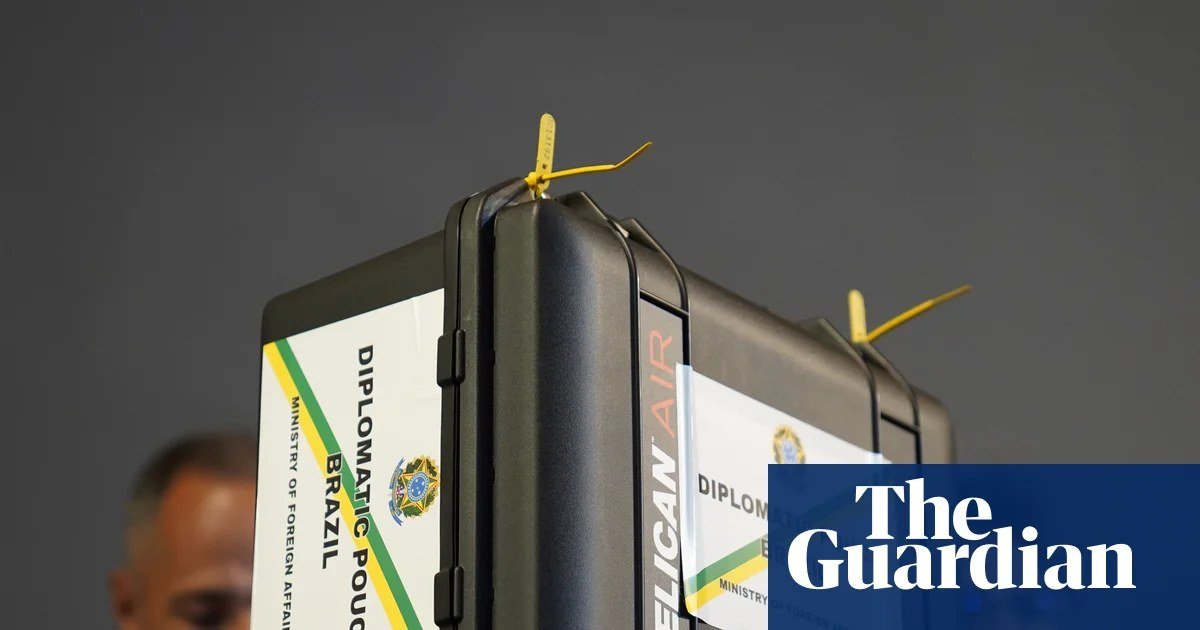
Brazilian diplomats carried the remains back in padded boxes inside reinforced suitcases, holding subdued ceremonies upon arrival in Salvador and Rio de Janeiro. The Brazilian government has stated that the skulls will not be put on public display or photographed, and will be buried with proper funeral rites once forensic researchers complete their identification efforts.
Origins and Repatriation Process
The presence of the skulls at Harvard was first revealed in 2022, prompting efforts by Brazilian academics to secure their return. The process initially experienced delays, moving forward significantly after the Brazilian government directly intervened in late 2024. Carolina Dias dos Reis, a Brazilian official who traveled to Boston to sign the transfer agreement, emphasized that the effort aims to restore the dignity of individuals who were exploited both in life and in death.
One of the skulls was removed from Salvador approximately 190 years ago. It is believed to have belonged to an enslaved man who participated in the 1835 Malê revolt, an urban uprising of around 600 African Muslims. He died in a local hospital before U.S. diplomat Gideon T. Snow reportedly dispatched the skull to Boston. The Bahia Islamic Cultural Centre has given this individual the name Arakunrin, a Yoruba word meaning brother.
Historical Context and Forensic Analysis
The second skull was taken from Rio de Janeiro roughly 160 years ago by Walter Hunnewell, a Harvard student participating in an expedition led by professor Louis Agassiz, who sought to collect physical specimens to support theories of scientific racism. Recent disclosures from Harvard researchers suggest the smaller skull may have belonged to a woman. Historian Bruno Veras noted that research indicates it may have been taken from a graveyard designated for newly arrived Africans who died during or shortly after the transatlantic voyage.
Forensic anthropologists in Brazil will now conduct non-invasive measurements and microscopic analyses to determine details such as sex and age, as well as potential genetic or dating tests if permitted. Upon completion of the investigation, both individuals will receive formal burials.
0 YORUMLAR
Bu KONUYA henüz yorum yapılmamış. İlk yorumu sen yaz...